International football tournaments rarely give us heavyweight matches this early that feel like genuine, tournament-defining wars. Usually, the group stage separation and the expanded format protect the elite from clashing until the final weekend. Not this time. When Portugal and Spain walk onto the pitch at Dallas Stadium on Monday, they aren't just playing for a quarterfinal slot against Belgium or the United States. They're fighting for regional pride, tactical vindication, and the tag of tournament favorite.
If you've been tracking the expanded 48-team bracket, you already know the narrative has changed. The group stages offered plenty of drama, but the wheat has been separated from the chaff. This Iberian derby is the standout fixture of the entire round of 16, a tactical puzzle pitting a completely flawless defensive unit against an attack that thrives on direct, ruthless chaos.
The Road Through a Brutal Knockout Bracket
The 2026 bracket structure has thrown up some absurdly asymmetric paths to the final weekend. While one side features a relatively straightforward route for teams like France, this specific pocket of the draw is a meat grinder. The survivor of this match doesn't get a breather; they immediately run into a tactical headache in the quarterfinals.
Look at how the final matches of the round of 16 shake out over these crucial few days:
- Portugal vs. Spain (Monday, July 6 at 3:00 PM ET)
- United States vs. Belgium (Monday, July 6 at 8:00 PM ET)
- Argentina vs. Egypt (Tuesday, July 7)
- Switzerland vs. Colombia (Tuesday, July 7)
The winner of Dallas Stadium gets the winner of the Seattle matchup between the USMNT and Belgium. If you think ahead, a potential semifinal clash against Lionel Messi’s Argentina is sitting on the horizon if the Albiceleste handle business against Egypt and the winner of Switzerland-Colombia. This makes every single tactical decision in this match twice as heavy. You can't just survive; you have to manage your squad's physical output knowing that the subsequent rounds are relentlessly demanding.
Spain Is Chasing Perfection With a Historical Defensive Streak
Luis de la Fuente’s squad has been an absolute machine during this tournament cycle. Four matches played, four clean sheets. They took care of business in Group H, dismantling Saudi Arabia 4-0 and grinding out a 1-0 win against a physical Uruguay side. Their statement performance came in the round of 32, where they comprehensively outplayed Austria in a 3-0 victory.
This isn't the boring, sideways-passing Spain of past decades. They don't just hoard the ball to prevent the opponent from playing; they press high, lock down transition lanes, and make it impossible for opposition midfielders to turn with the ball.
Mikel Oyarzabal has been the focal point of their final-third efficiency. With four goals already registered in the tournament, he’s showing a level of composure that balances Spain’s traditional creative brilliance. He isn't dropping deep to pick up the ball like traditional Spanish false nines; he's running the channels, pushing center-backs deeper, and opening up pockets of space for players like Pedro Porro to exploit from wide areas. Spain wants to dominate the tempo, force Portugal into a low defensive block, and suffocate them over 90 minutes.
Portugal Offers Ruthless Directness and Veteran Survival Instincts
Roberto Martínez has constructed a Portuguese team that values moments over sustained dominance, and honestly, it’s working. Their journey through Group K wasn't perfect—a 1-1 draw with DR Congo and a 0-0 stalemate against Colombia showed some creative vulnerabilities. However, their 5-0 destruction of Uzbekistan proved exactly how explosive this attack can be when teams give them space.
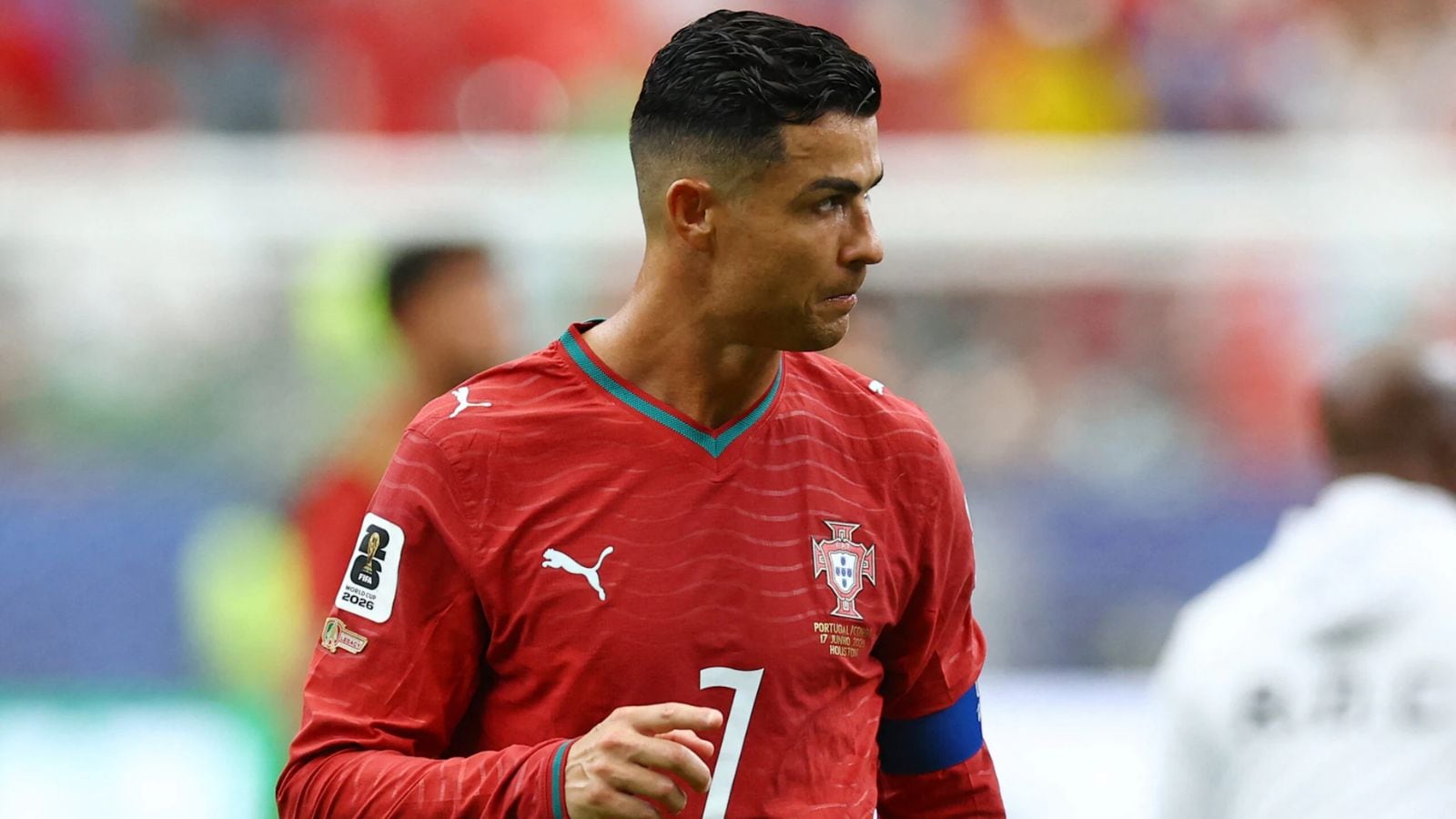
Their round of 32 clash against Croatia showed their true character. Down a goal, they didn't panic. Cristiano Ronaldo converted a crucial 68th-minute penalty to bring his tournament tally to three goals, and Gonçalo Ramos popped up with a stoppage-time header to seal a 2-1 win. They know how to win ugly, and that is an invaluable trait when you enter the single-elimination phase of a World Cup.
Portugal's main weapon against Spain will be their transition speed. They've registered 24 possession recoveries in the final third across four games. They aren't looking to match Spain pass-for-pass in the middle of the pitch. Bruno Fernandes is instructed to look forward the second the ball is won, seeking out early runners before Spain can organize their counter-press.
The Critical Matchups on the Dallas Pitch
To understand how this match unfolds, look closely at two specific areas of the pitch. The first is the battle between Spain's high defensive line and the intelligence of Portugal's front line. Spain plays with an aggressive offside trap, squeezing the pitch to keep their midfield compact. Ronaldo might lack the raw, bursting pace of his mid-20s, but his positioning inside the penalty box remains elite. If Gonçalo Ramos can drag Spain's center-backs out of position, Ronaldo will find the space he needs.
The second key area is the Portuguese midfield pivot against Spain's creative hub. Portugal cannot afford to let Spain dictate the game from the opening whistle. If Bruno Fernandes and his midfield partners are forced to spend the entire afternoon chasing shadows, they won't have the energy required to launch those dangerous counterattacks. They need to commit tactical fouls early, disrupt Spain's passing rhythms, and make this a physical, disjointed contest.
Tactical Verdict and Match Prediction
Spain is the better football team on paper and on form, but tournament football doesn't care about your clean-sheet streaks when a single mistake can send you home. Portugal has the exact profile of a team designed to give Spain nightmares. They are comfortable playing without the ball, they possess world-class individual match-winners, and they don't need five or six chances to punish a defensive error.
Expect Spain to control roughly 65 percent of the ball, knocking on the door while Portugal waits patiently in a compact mid-block. Spain will likely break through via Oyarzabal, but Portugal’s ability to strike quickly in transition will keep them alive. This feels like a match destined to go beyond the regulation 90 minutes.
Portugal's veteran savvy and historical edge in high-pressure penalty situations might just give them the upper hand if this goes the distance. Spain’s defensive record is incredible, but Portugal's knack for finding a late, dramatic goal is going to break Spanish hearts in extra time.
Keep a close eye on the early yellow cards in midfield. If Portugal manages to disrupt Spain's initial 20-minute surge without getting their primary ball-winners into disciplinary trouble, they'll control the psychological flow of the afternoon. Clear your schedule for this afternoon kickoff; it's going to be an absolute classic.