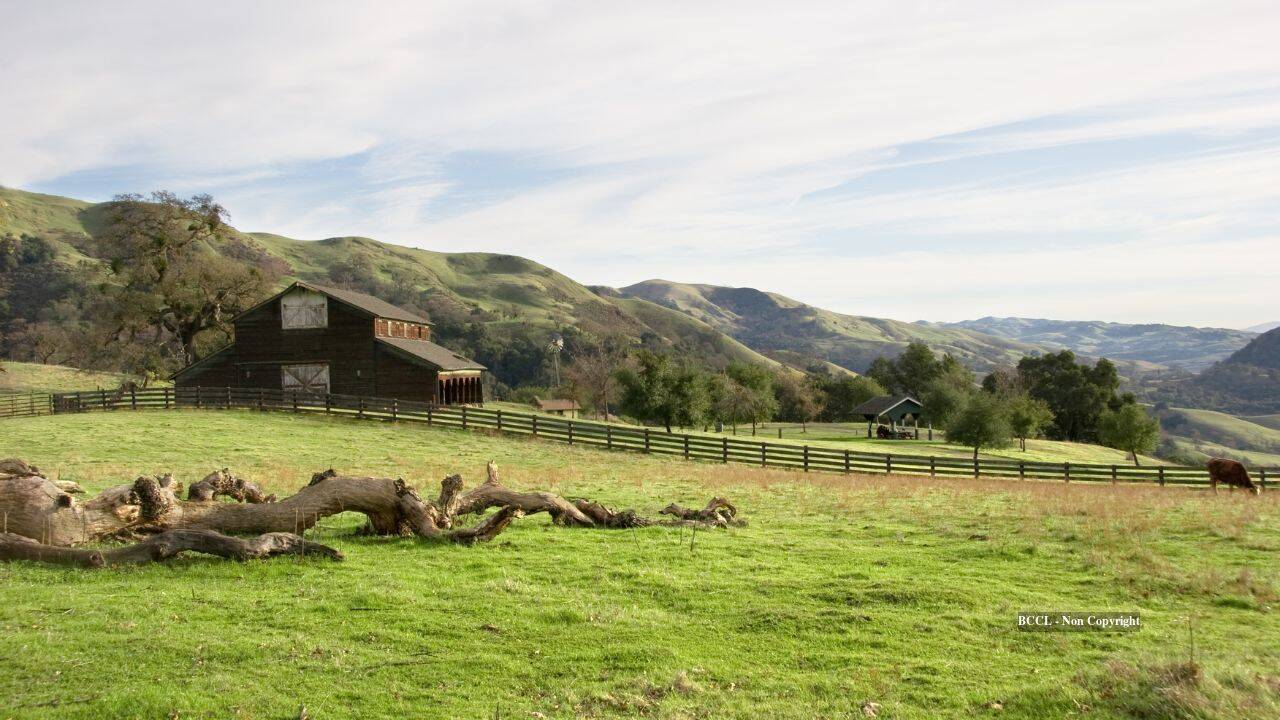
When the federal government bought 890 acres from the Stewart family in 1974, outsiders figured it was curtains for their generational cattle operation. Uncle Sam wanted raw land for the Point Reyes National Seashore, and usually, that means private agriculture gets shown the door. But the family didn't pack up their gear or throw in the towel. Instead, they cut a deal that kept boots on the ground and cattle in the pastures for nearly five extra decades.
Most people think government land acquisitions are black and white. You sell, you take your check, and you leave. The reality of land use along the California coast is far messier.
The Life Estate Loophole That Saved the Homestead
Instead of taking a straight buyout, the Stewarts negotiated a life estate agreement. Title transferred over to the public domain, but the legal right to stay and operate the working ranch stayed firmly in family hands.
This wasn't just a sentimental victory. It was a calculated operational choice. The family understood the land needed active management just as much as it needed conservation. Grazing animals, repairing fences, and managing coastal pastures take daily human labor—things a distant bureaucracy isn't always built to handle on day one.
By the time the operation officially wrapped up in 2021, the ranch had completed roughly 150 years of continuous stewardship. They proved that working agriculture and public park land can share a zip code without destroying each other.
Why Modern Public Land Battles Look Nothing Like This
If you look at recent friction points across California public lands—like the complex legal battles and settlement agreements involving Point Reyes ranches—you'll notice things have gotten infinitely more litigious. Environmental groups, preservationists, and multi-generational leaseholders constantly clash over water rights, elk populations, and commercial permits.
Back in 1974, the Stewart negotiation relied on a simple premise: cooperation over confrontation. Today, that kind of bespoke arrangement is much harder to pull off. Modern environmental impact reports and rigid administrative frameworks leave little room for creative lifetime reservations.
What You Can Learn From Century-Old Land Legacies
If you are trying to navigate land preservation, family succession, or agricultural easements today, the Stewart timeline offers a few blunt takeaways.
- Never assume a forced sale means immediate eviction. Always ask about occupancy rights, agricultural leases, or life estate provisions.
- Working landscapes need advocates. Bureaucrats rarely understand local soil and weather patterns the way families who have worked them for generations do.
- Plan your exit decades ahead. The Stewart family didn't survive into the 2020s by accident; they secured their operational timeline contractually before ink dried on the initial sale.
Private ownership and public conservation are always going to pull in opposite directions. But the history of coastal California proves that rigid rules can sometimes bend if you know how to negotiate the terms.
Take a close look at your own local county zoning or conservation policies if you own acreage. Don't wait for state or federal agencies to dictate your next move. Get your legal counsel early, explore multi-generational trusts, and treat every property title like it's a negotiable asset rather than a dead end.
California cattle ranchers sue National Park Service to stay on the land
This video provides additional context on the ongoing legal battles and tensions between California ranchers and the National Park Service over land use rights.
http://googleusercontent.com/youtube_content/1


