Every single time a vehicle strikes a pedestrian, a public official, or a cyclist, the public script writes itself before the ambulance doors even close. The outrage machine fires up. We demand stricter penalties, longer prison sentences, and immediate villainization of whoever was behind the wheel. It is the laziest, most comforting narrative in modern discourse. It allows us to pretend that a tragedy is nothing more than a moral failing by an isolated individual, absolving the systems that invited the catastrophe in the first place.
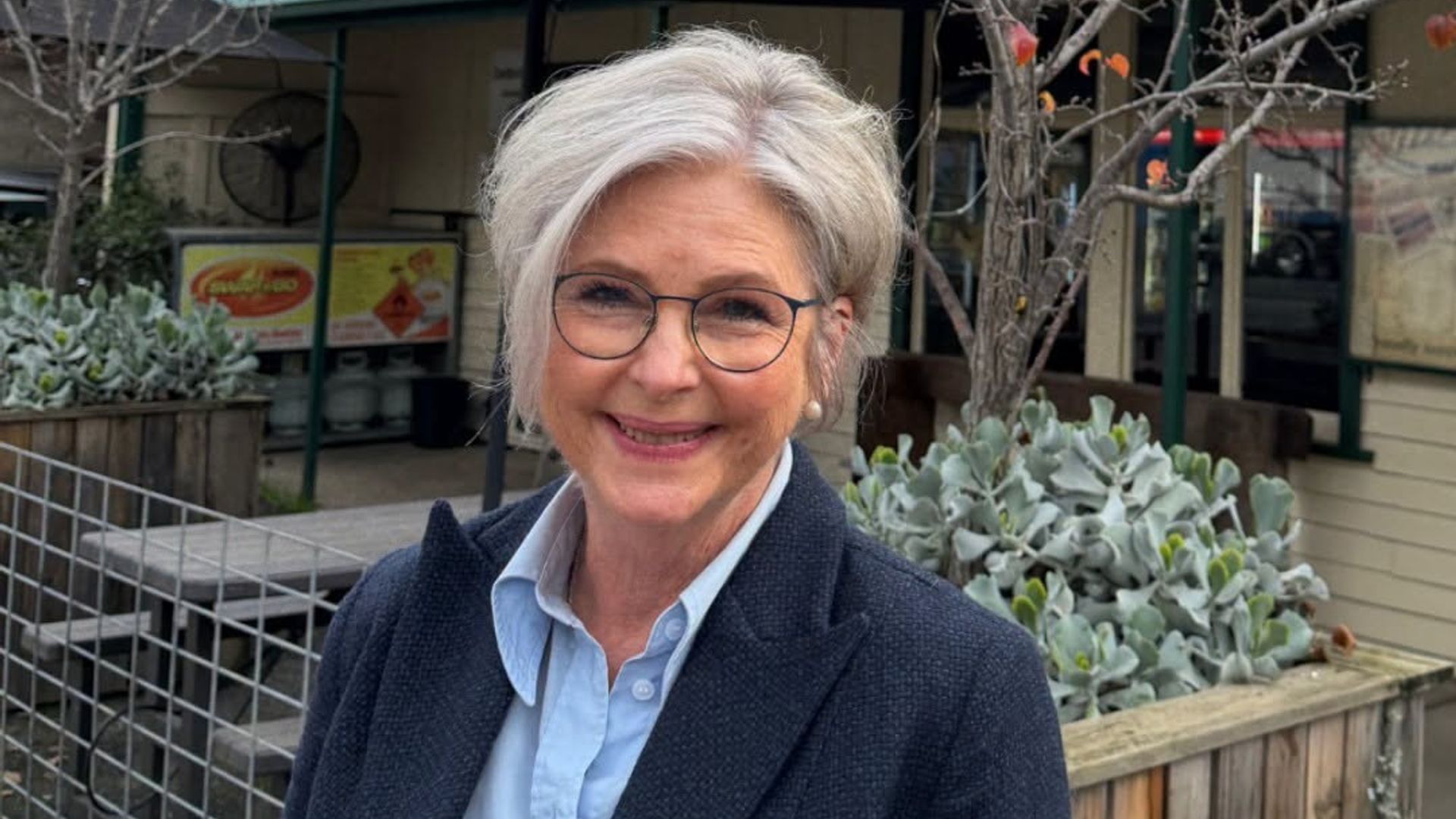
When an Australian member of parliament was recently struck by a vehicle, the headlines followed the predictable script. A man was charged, mugshots circulated, and the commentators lined up to lament the breakdown of social order. Nobody wanted to ask the harder question. Why are our urban arteries designed like drag strips where a momentary lapse in attention translates to a kinetic disaster? For a different perspective, check out: this related article.
I spent a decade consulting on municipal transit planning and traffic calming initiatives. I have watched city councils approve billion-dollar corridors while cutting corners on pedestrian protection because painted lines are cheaper than raised crosswalks and physical lane narrowing. We have built an entire civilization around the myth that human beings operating two-ton steel boxes at high speeds will maintain flawless cognitive vigilance indefinitely. That is not a strategy. That is a lottery.
The Myth of Individual Deterrence
The lazy consensus in transportation safety is that harsher punishment prevents bad driving. If we raise the fines, suspend licenses faster, or threaten heavier prison terms, drivers will magically become infallible. Similar coverage on this matter has been published by NPR.
Criminology and traffic engineering data demolish this fantasy on a daily basis. Deterrence only works against premeditated crimes. Running over a pedestrian or a politician on a Tuesday afternoon is almost never a premeditated act of malicious terror. It is the lethal intersection of cognitive fatigue, poor sightlines, poorly timed signaling, and road geometry that encourages drivers to travel thirty miles per hour over safe urban speeds.
When you design a multi-lane stroad—that cursed hybrid between a street and a road—with wide lanes and minimal friction, you are signaling to the human brain that speed is safe. Drivers adjust their velocity based on environmental cues, not speed limit signs. If a road feels like a highway, people will drive it like a highway. When someone inevitably gets hit, blaming the driver exclusively is like blaming a person for slipping on a patch of ice that the city refused to salt. You can punish the person who fell all you want, but the ice remains.
The Real Culprit Is Civil Engineering Arrogance
Let us look at the structural failures that standard news reports completely ignore. Urban planners suffer from an acute form of professional arrogance. They prioritize throughput over survival. The primary metric of success for too many municipal engineers is volume—how many cars can we push through this corridor per hour?
Pedestrian safety is treated as an afterthought, usually addressed with passive signage rather than active physical barriers. A sign telling a driver to yield is worth precisely zero when the road geometry incentivizes acceleration. If you want to stop vehicles from striking people, you do not need a public service announcement. You need concrete bulb-outs, raised intersections, narrower lanes, and protected turning phases that eliminate conflicting sightlines.
When an incident involves a high-profile figure like an MP, the political pressure to default to individual scapegoating multiplies tenfold. A politician's office wants a quick arrest, a swift trial, and a closed case. Admitting that the intersection where the collision occurred was a poorly engineered death trap would require the government to indict its own public works budget. It is much easier to lock up one driver and call it justice than to redesign every dangerous corridor in the country.
The Trade-off Nobody Wants to Admit
My contrarian take comes with a heavy dose of reality, and I am not here to pretend my preferred solutions are painless.
If we actually want to eliminate these collisions, we have to accept a massive trade-off: driving in cities must become slower, less convenient, and radically restricted. Traffic congestion is not a failure of urban planning; it is a feature of safe urban design. When you slow cars down, you save lives. When you prioritize pedestrian flow over vehicular throughput, travel times increase.
Most citizens say they want safety, but they riot the moment a city council installs a bike lane or a speed hump that adds five minutes to their morning commute. We demand utopian safety while clinging to the convenience of high-speed urban transit. You cannot have both. Every time you scream for blood after a crash while demanding wider roads and faster commutes, you are voting for the next collision.
Stop looking for monsters behind every steering wheel and start looking at the blueprints.
The next time a headline screams about a driver charged in a high-profile strike, look past the mugshot. Look at the road. That is where the real crime was committed decades before anyone turned the ignition.