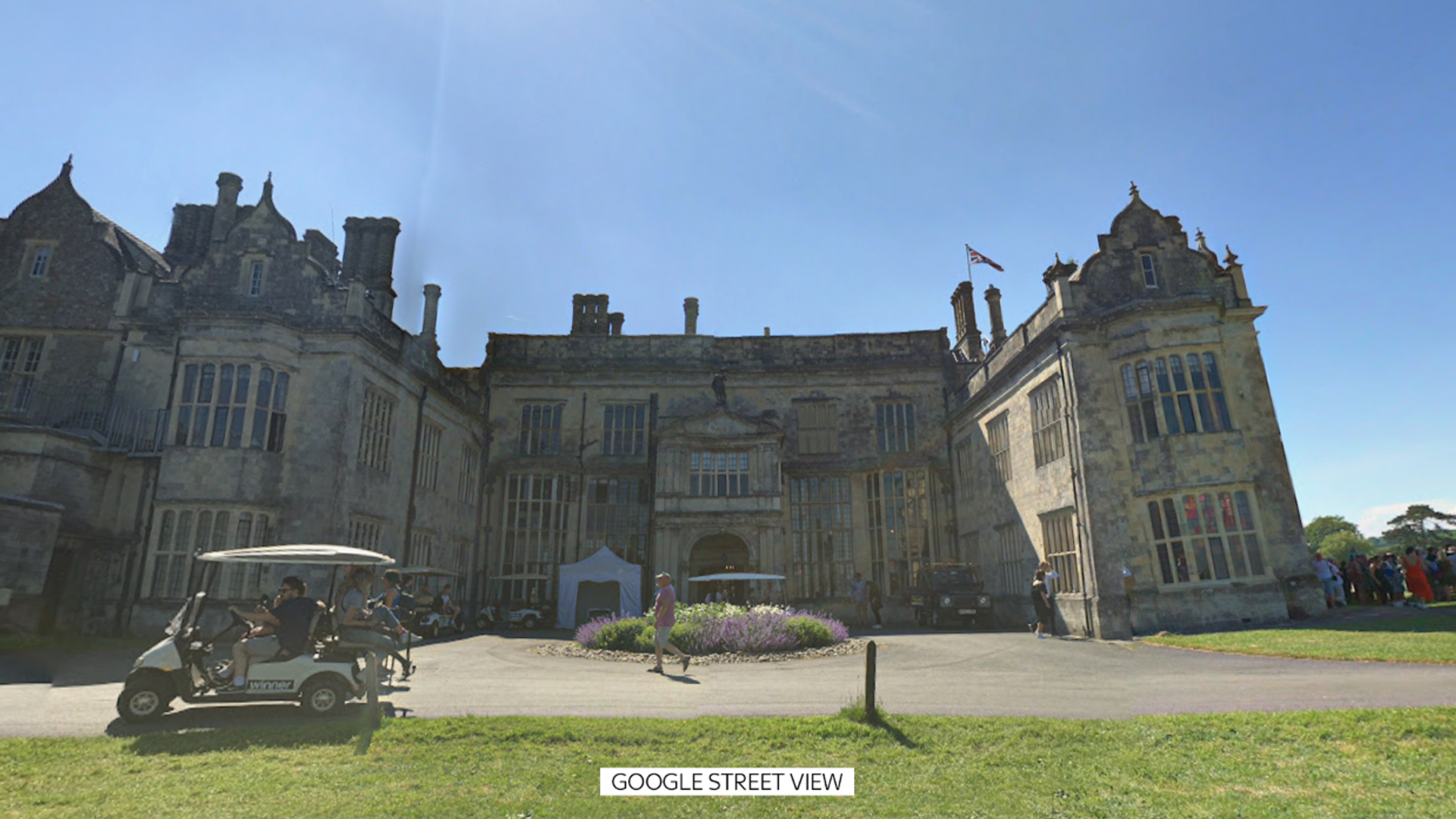
Another headline breaks. Six people injured at a festival. The media machinery spins into overdrive immediately. Commentators wring their hands over crowd control, inadequate exits, and the inherent dangers of mass gatherings. Everyone demands more regulation, stricter perimeter checks, and heavier police presence.
They are looking in the wrong direction entirely.
The lazy consensus treats every incident at a live event as a failure of institutional control. Every injury becomes proof that humans packed tightly together are a ticking time bomb waiting for a spark. This perspective is not just intellectually lazy; it is actively ruining the live experience.
When you treat crowds like cattle that need constant herding, you create the exact panic and friction you are trying to prevent. I have spent fifteen years designing crowd dynamics for major public installations, and I can tell you flatly that the modern obsession with sterile safety protocols is driving the injuries we claim to fear.
The Safety Industrial Complex Is Creating The Danger
Every time an incident happens, municipal risk assessors react by tightening the screws. They narrow ingress points, add extra choke-point security checkpoints, and construct labyrinthine metal barricades designed to dictate every single step a human being takes.
The logic seems sound on paper. Force people into single-file lines. Control the flow. Prevent the surge.
In reality, you are compressing a dynamic, self-regulating organism into an artificial pipe. Human beings in crowds possess a natural, emergent intelligence. When left to move organically, people automatically adjust their stride, absorb shockwaves, and create pockets of decompression. They mirror the movement of the person ahead of them, maintaining a fluid spacing that macro-level planners fail to comprehend.
When you drop heavy steel barricades and excessive security checks into that environment, you break the feedback loop. You create hard corners, sudden halts, and invisible pressure points. People get shoved not because they are unruly animals, but because a rigid physical barrier stopped the natural wave of foot traffic dead in its tracks.
The injury reports never tell you how many ribs were cracked against a security staging fence installed by an overzealous insurance adjuster. They just lump every casualty under the vague banner of a serious incident.
Why Your Panic Over Density Is Entirely Misplaced
People look at drone shots of packed festival grounds and feel an automatic spike of visceral dread. They see a sea of bodies and assume someone is about to get crushed.
That fear stems from a fundamental misunderstanding of spatial physics. High density does not automatically equal high danger. The crowd crush disasters that dominate safety manuals almost always stem from structural failures or sudden bottleneck entrapments, rarely from sheer crowd size alone.
Consider a packed club or a festival main stage. A crowd of four people per square meter looks terrifying from a helicopter, but inside that space, individuals are still breathing, shifting, and communicating non-verbally with everyone within arm's reach.
Strip away the panic-inducing media framing, and you find a cooperative ecosystem. People catch strangers who trip. They pass water overhead. They step back when someone signals distress.
The moment you introduce heavy-handed intervention—like police suddenly charging into a sector to break up a minor mosh pit or security guards aggressively shoving people away from a sound tower—you introduce chaos into an otherwise stable system. The intervention causes the panic, not the density.
The Real Fix Nobody Wants To Implement
If we actually want to reduce injuries at live events, we need to do the exact opposite of what the risk assessors recommend.
We need to take down the labyrinthine barricades. We need to widen the dispersal zones instead of building tighter funnels. We need to trust the intelligence of the attendees rather than treating them like liabilities waiting to happen.
I have watched venue operators spend millions of dollars on high-tech surveillance towers and AI crowd-monitoring software that flashes red warnings every time a group stands too close together. That money would be infinitely better spent on wide-open egress routes, clear sightlines, and adequate hydration stations.
When you make a space comfortable and navigable, people do not push. When you cage them, restrict their movement, and treat them like suspects entering a high-security prison, they push back.
The next time a headline screams about festival chaos, look past the pearl-clutching. Ask where the bottlenecks were built, where the security forced a constriction, and who decided that the best way to protect people was to trap them.
Stop asking how to control the crowd better. Start asking why we keep building traps and calling them safety features.
.png?width=2560&name=Google Logo Evolution LM (3).png)

