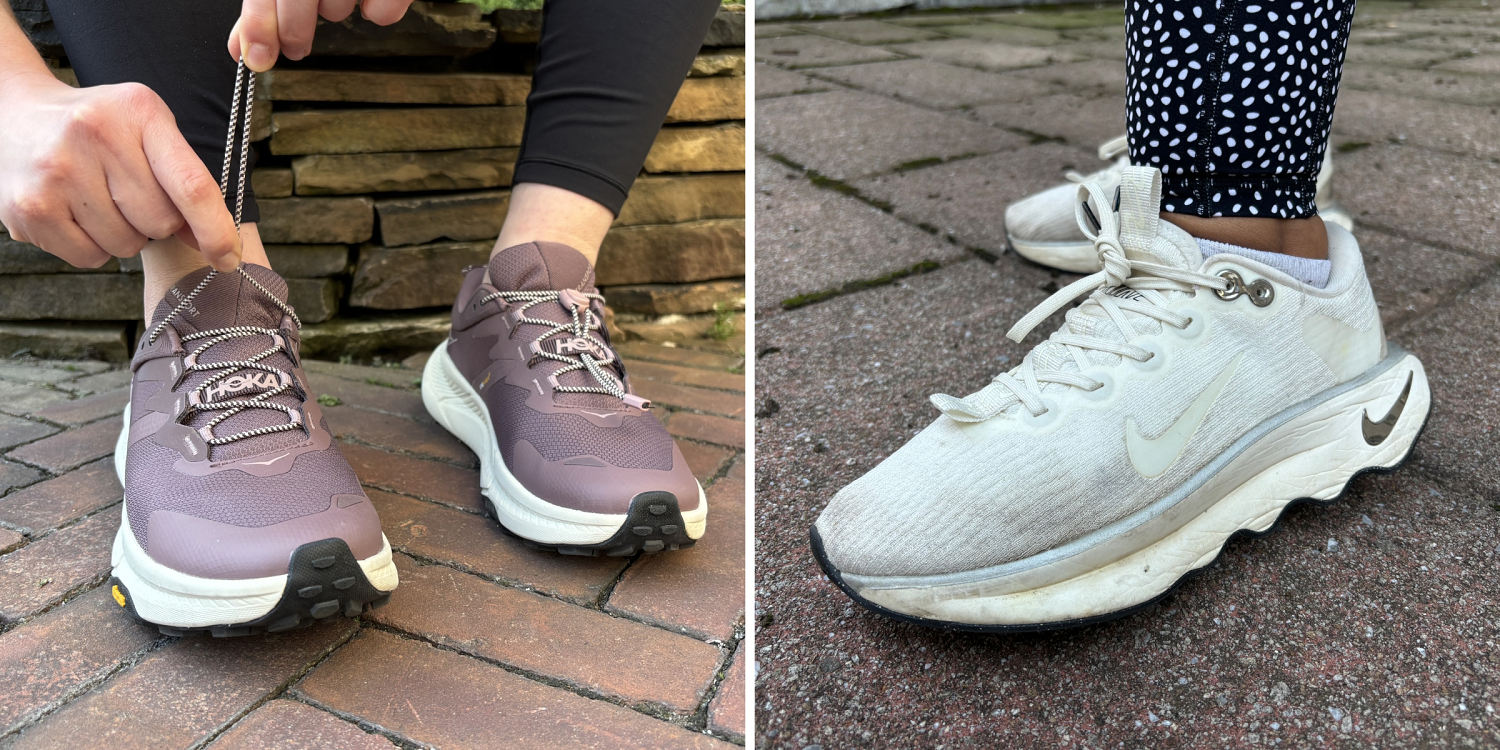
Your feet hurt because you are buying running shoes for walking.
It is the most common mistake in athletic footwear. Shoe stores love selling you plush, highly cushioned running trainers under the guise of general fitness, but mechanics tell a different story. Walking requires a distinct physical motion. Your heel strikes first, your foot rolls forward smoothly, and you push off from your toes. Running forces a much heavier impact and a different center of gravity. When you wear a high-drop, overly bouncy running shoe to walk three miles, your ankles wobble, your arches fatigue, and your knees take the brunt of the instability.
I test dozens of women's walking shoes every year. I track mileage on asphalt, gravel, treadmill belts, and city concrete. I measure stiffness in the forefoot, check heel counter rigidity, and pay close attention to how materials hold up after five hundred miles of friction. Most options on the shelf fail basic durability tests within three months. They pack out, lose their rebound, and leave your soles aching by noon.
You need a shoe that matches your specific foot architecture and terrain. Let us fix that right now.
The Flat Foot Trap
If your arches collapse inward when you step, you do not need a soft, squishy cloud of foam. You need support.
Overpronation ruins walking posture. When your foot rolls too far inward, your shin bones rotate, pulling on your knees and lower back. Brands market ultra-soft shoes to flat-footed walkers by claiming they feel like pillows. They do. For about twenty minutes. Then your muscles scream because they have to work overtime to stabilize your ankle.
Stability shoes change the equation. Look for options featuring a firmer medial post or dual-density foam along the inner edge of the midsole. The Brooks Addiction Walker 2 remains a gold standard for flat feet, primarily because its full-grain leather upper locks the midfoot in place while the diagonal rollbar prevents excessive pronation. It looks like a nurse shoe from 1998, honestly, but your joints will thank you after a ten-mile shift or a heavy walking routine.
If leather feels too heavy, look at the Asics GT-1000 13. It borrows tech from Asics' running line but lowers the heel-to-toe drop and stiffens the midfoot shank specifically for a walking gait. You get decent breathability, reliable GUIDANCE TRUSSTIC technology to keep your stride tracking straight, and a snug heel pocket that stops slipping.
Do not buy neutral shoes if you overpronate. Cushioning alone will never fix structural instability.
High Arches Need Shock Absorption
High arches do the exact opposite of flat feet. They stay rigid, fail to absorb shock naturally, and transfer every ounce of impact straight up into your hips and spine.
If you have high arches, your primary enemy is impact shock. You need neutral cushioning, but not the cheap, mushy kind that flattens out. You want high-energy rebound foam that protects your heel bone without feeling like walking on quicksand.
The Hoka Bondi 8 dominates this category for a reason. The towering stack of EVA foam absorbs brutal concrete impact like a sponge. It feels weird at first—almost like walking on miniature platforms—but the meta-rocker geometry rolls your foot forward so you do not have to strain your calves to push off.
Some walkers find Hokas too bulky. If you want something sleeker, the Saucony Triumph 22 offers a fantastic alternative. The PWRUN+ foam bounces back with every step, retaining its structural integrity month after month. It accommodates high-volume feet nicely without pinching the top of your instep.
Wide Feet and Toe Box Freedom
Most women's shoes taper into a point. Human feet do not.
Squeezing your forefoot into a narrow toe box causes bunions, neuromas, and numbness. If your pinky toe rubs against the side of the shoe by mile two, the fit is wrong, no matter how good the arch support feels.
Width options matter immensely. True wide sizes add volume throughout the entire last, not just extra fabric on the edges. The New Balance 840v5 in a standard wide (D) or extra-wide (EE) sizing offers a straight, accommodating fit that lets your toes spread out naturally. The leather and mesh upper breathes well, and the foam midsole provides reliable, no-nonsense cushioning for everyday neighborhood walks.
If you prefer a foot-shaped toe box combined with zero-drop styling, look at the Altra Via Olympus 2. Altra built its entire brand on keeping your heel and forefoot at the same distance from the ground while giving your toes room to splay out completely. Walking in zero-drop shoes takes an adjustment period if you are used to raised heels, but the payoff for your lower back and foot posture is massive.
Testing Protocols That Actually Matter
Manufacturers love tossing around marketing jargon. They talk about proprietary foams, carbon plates, and aerodynamic meshes. Ignore the hype.
When you evaluate a walking shoe at home, run three simple physical checks:
- The Twist Test: Grab the shoe by the heel and toe. Try to wring it like a dishcloth. If it twists completely in half with zero resistance, it offers zero stability. A good walking shoe should resist torsional twisting through the midfoot.
- The Bend Point: Press your thumb into the forefoot. The shoe should bend precisely where your toes bend naturally—at the ball of the foot. If it folds right in the middle of the arch, the structural shank is missing or weak.
- The Thumb Rule: Press your thumb down on the tip of the shoe while wearing your walking socks. You need a full thumb-width of space between your longest toe and the front bumper. Your feet swell and slide forward during long walks. Zero clearance means bruised toenails.
Weather and Terrain Realities
Not all walks happen on dry indoor tracks or clean suburban sidewalks.
If you walk through morning dew or rainy city streets, standard mesh shoes turn your socks into wet sponges within sixty seconds. Waterproof membranes like Gore-Tex help, but they trap heat during summer months. For damp, cool weather, choose a shoe with a tightly woven upper and a durable rubber outsole with deep multidirectional lugs.
The Merrell Moab Speed 2 bridges the gap between a hiking shoe and a walking trainer. It features Vibram traction rubber that grips wet pavement and slick dirt paths equally well, keeping you secure when the weather turns sour. It is lighter than a traditional hiking boot, flexible enough for a fast fitness walk, and tough enough to handle gravel trails without picking up every small rock in the neighborhood.
Buy your walking shoes late in the afternoon when your feet are at their maximum swelling point. Wear the exact socks you plan to use on your routes. Walk around the living room for twenty minutes before taking them outside. If there is even a hint of friction or pinching in the store, it will turn into a blister by mile three. Prioritize structural fit over colorways, match the shoe to your arch type, and protect your joints from the ground up.