Every time a violent tragedy hits the local news cycle, the media follows the exact same script. A victim is mourned. A suspect is charged. And a witness or roommate who stepped into the crossfire is elevated to sainthood for "trying to intervene."
It is comforting. It makes for great television. And it is a dangerous narrative that actively gets innocent people killed.
When a roommate speaks out after trying to stop a fatal attack, the public instinct is to applaud their bravery and lament that they couldn't do more. Journalists frame the story around the tragic limits of individual courage. They miss the systemic, tactical, and psychological reality of violent encounters entirely. By turning desperate, improvised physical intervention into the gold standard of moral virtue, we are conditioning everyday people to walk straight into lethal ambushes without a plan, without training, and without understanding how violent predators actually operate.
We need to stop treating physical intervention as the default expectation of a "good person." If you want to save lives during an active violent attack, the Hollywood hero complex is your worst enemy.
The Lie of the Spontaneous Hero
Most people believe that if they witness someone being attacked, adrenaline will take over and they will magically rise to the occasion. They picture themselves tackling the assailant, wrestling a weapon away, or landing a decisive blow that stops the threat.
That is a fantasy born from action movies and lazy journalism.
In real-world violent encounters, adrenaline does not give untrained civilians superpowers. It triggers an acute stress response that causes auditory exclusion, tunnel vision, and the catastrophic loss of fine motor skills. When a roommate hears screaming behind a closed door and bursts into a room blindly, they are not entering a fair fight. They are walking into a dynamic, high-velocity ambush where the attacker already has full kinetic momentum, psychological commitment, and often a weapon.
Law enforcement and self-defense experts have studied bystander intervention fatalities for decades. The data is unforgiving: rushing into a lethal force encounter without distance, cover, or a force multiplier rarely stops the primary attack. Instead, it turns one victim into two.
Yet, when news outlets cover these tragedies, they never ask the hard tactical questions. They never point out that opening a door into an active assault without assessing the threat is a fatal mistake. They simply print the survivor's grief, slap a heroic headline on it, and move on—leaving millions of readers with the subconscious impression that running toward a knife or a firearm with bare hands is what they are supposed to do.
Why The Bystander Effect Isn't Your Biggest Problem
For fifty years, psychology textbooks have obsessed over the "bystander effect"—the idea that people fail to help in emergencies because they assume someone else will. Public awareness campaigns spend millions trying to shame people out of passivity, pushing the message that doing something is always better than doing nothing.
That advice is reckless when applied to lethal violence.
In a medical emergency, like cardiac arrest, doing imperfect CPR is infinitely better than standing around. In a violent felony assault, doing the wrong thing gets you killed and leaves the original victim completely without an advocate.
The real issue isn't apathy. The issue is tactical illiteracy. Society teaches people that they should intervene, without ever teaching them how to survive an encounter long enough to actually help.
When a domestic dispute or home invasion escalates to fatal violence, the window between the first strike and irreversible trauma is measured in seconds. A roommate waking up from a dead sleep has zero situational awareness. Their brain is trying to process sensory chaos while their body is flooded with cortisol. Expecting them to execute a successful physical disarm in that state is like expecting someone to land a commercial airliner because they watched a documentary about aviation.
The Anatomy of a Fatal Intervention
Imagine a scenario where you are in your bedroom at 2:00 AM. You hear a crash and a scream from the living room. Your instinct is to sprint out the door to help your roommate.
Let's break down what actually happens in the next four seconds:
- You lose the element of surprise. Your footsteps announce your arrival before you even clear the doorway.
- You enter a fatal funnel. Doorways are choke points. The attacker knows exactly where you are coming from, while you have no idea where they are positioned, what they are holding, or whether there is more than one person.
- You close the distance voluntarily. Distance is the only thing that buys you time to think. By rushing in, you hand the attacker the exact proximity they need to use a bladed weapon or blunt object against you.
- You become the primary target. Once you engage physically, the attacker's focus shifts to eliminating the new threat. If you are incapacitated in the first three seconds, you can no longer call 911, you can no longer unlock the front door for paramedics, and you can no longer provide a witness description to police.
I have reviewed dozens of use-of-force reports and witness statements over the years, and the pattern is identical every single time. Good people die because they traded their biggest tactical advantages—distance, concealment, and communication—for a desperate, empty-handed grapple.
What Experts Actually Recommend (And Why Nobody Wants to Hear It)
If you talk to veteran homicide detectives, SWAT commanders, or behavioral threat analysts like Gavin de Becker, you will hear a radically different philosophy on bystander intervention.
Professionals do not measure success by how bravely you fought. They measure success by how many people go home alive.
In high-threat environments, the protocol is simple: Isolate, Inform, Interrupt. Notice that "tackle the guy with the knife" is not on the list.
1. Create a Hard Barrier First
If you hear a violent attack happening in another room, your first priority is not entering that room—it is controlling the environment. If you can get to a secure location, lock a door, or put heavy furniture between yourself and the threat, you have just created a command post. From behind a locked door, you are alive. You can scream that the police are on the way. You can bang on walls. You can trigger alarms.
2. Weaponize Noise and Light
Predators rely on isolation and control. They want the environment dark, quiet, and contained. Breaking that environmental control often disrupts an attack faster than physical force ever could. Flipping on every light in the house, setting off a car alarm via your key fob, or shouting specific details ("I am on the phone with 911, police are two blocks away!") forces the attacker's brain out of predatory focus and into survival mode. Many attackers flee the moment they realize the narrative has shifted from a private assault to an active police response.
3. Never Enter Empty-Handed
If escape is impossible and you are forced into a physical confrontation to protect yourself or someone else, you must abandon the idea of a "fair fight." If you do not have an improvised weapon—a heavy lamp, a fire extinguisher, a chair, boiling water—you have no business closing the distance. Even with an improvised tool, your goal is not to arrest or restrain the attacker. Your goal is to create a distraction long enough for both you and the victim to run out the front door.
The Uncomfortable Truth About Survivor's Guilt
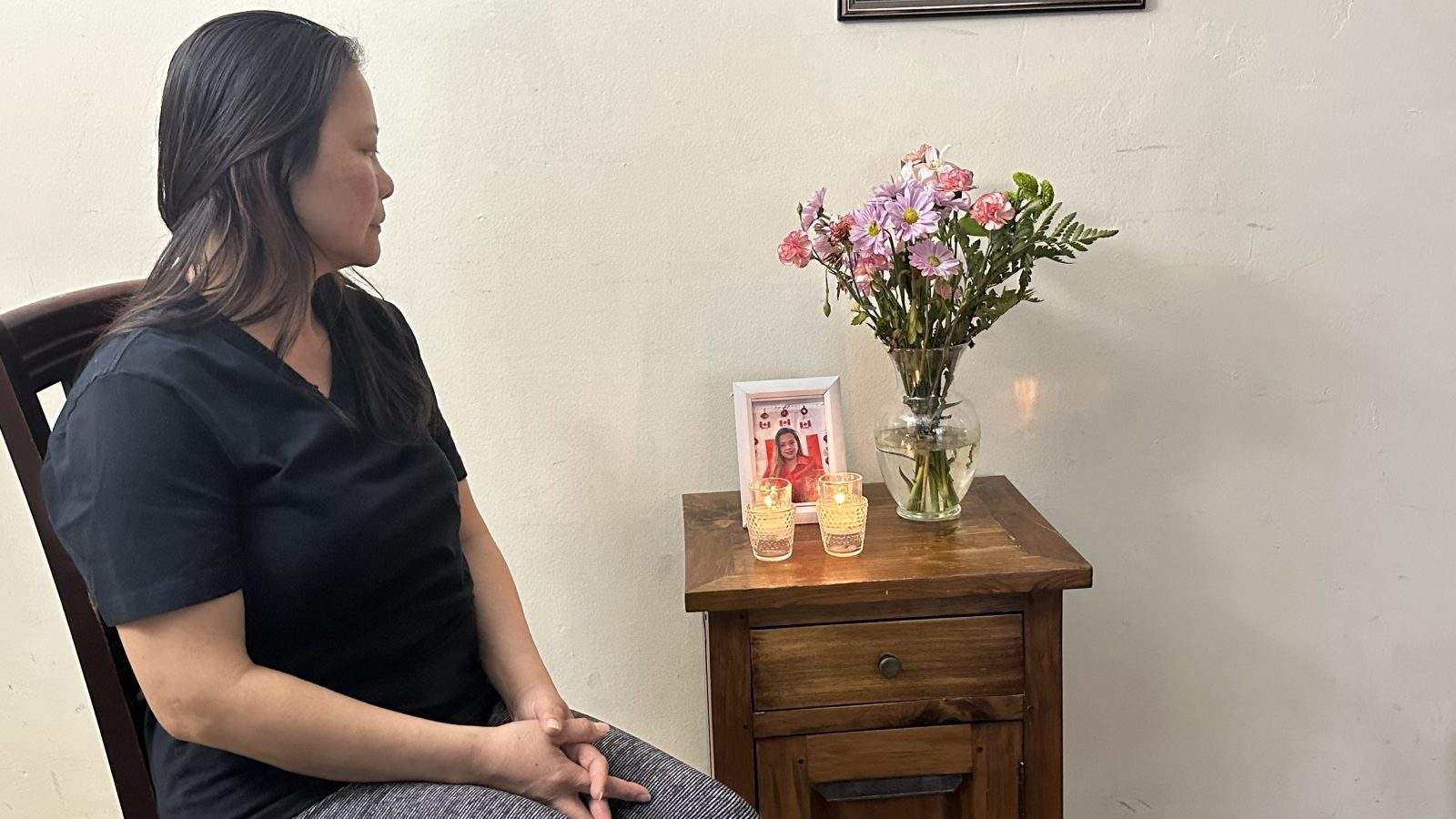
The hardest part of challenging the heroic intervention myth is dealing with the emotional aftermath. When a roommate tries to intervene and fails, they carry a crushing weight of guilt for the rest of their lives. They replay every second, convinced that if they had just moved faster, hit harder, or been stronger, their friend would still be alive.
The media's obsession with framing these survivors as tragic heroes actually makes that trauma worse. It reinforces the false premise that the outcome was within their physical control.
It wasn't.
Once a determined attacker initiates lethal violence in a closed domestic space, the probability of an untrained civilian stopping it bare-handed is near zero. Acknowledging that reality does not diminish the roommate's loyalty or love for the victim. It frees them from the delusion that they failed a test they were never equipped to pass.
There is a legitimate downside to preaching tactical restraint, and we have to be honest about it: sometimes, there is no time to call 911. Sometimes, the attacker is already delivering a fatal blow, and immediate, reckless physical intervention is the literal only chance the victim has left, even if it's a one-in-a-million shot. In those micro-seconds, human loyalty overrides self-preservation, and no tactical manual can—or should—strip away a person's right to make that choice for someone they love.
Stop Writing Checks With Other People's Lives
We need a massive cultural shift in how we talk about violent crime and bystander response.
Stop praising reckless physical intervention as the ultimate display of character. Stop pretending that sheer willpower can overcome physics, weaponry, and surprise. When a tragedy occurs, honor the victims and support the survivors, but stop selling the public a fairy tale about how violence works.
If you live with roommates, have the uncomfortable conversation today. Know your exits. Keep a door wedge or a heavy flashlight in your bedroom. Agree on a code word that means "lock your door and call 911 immediately, do not come out."
Bravery isn't running blindly into a meat grinder because you saw it work in a movie. Bravery is keeping your head when everything goes to hell, refusing to become a second casualty, and doing what actually gets people out alive.