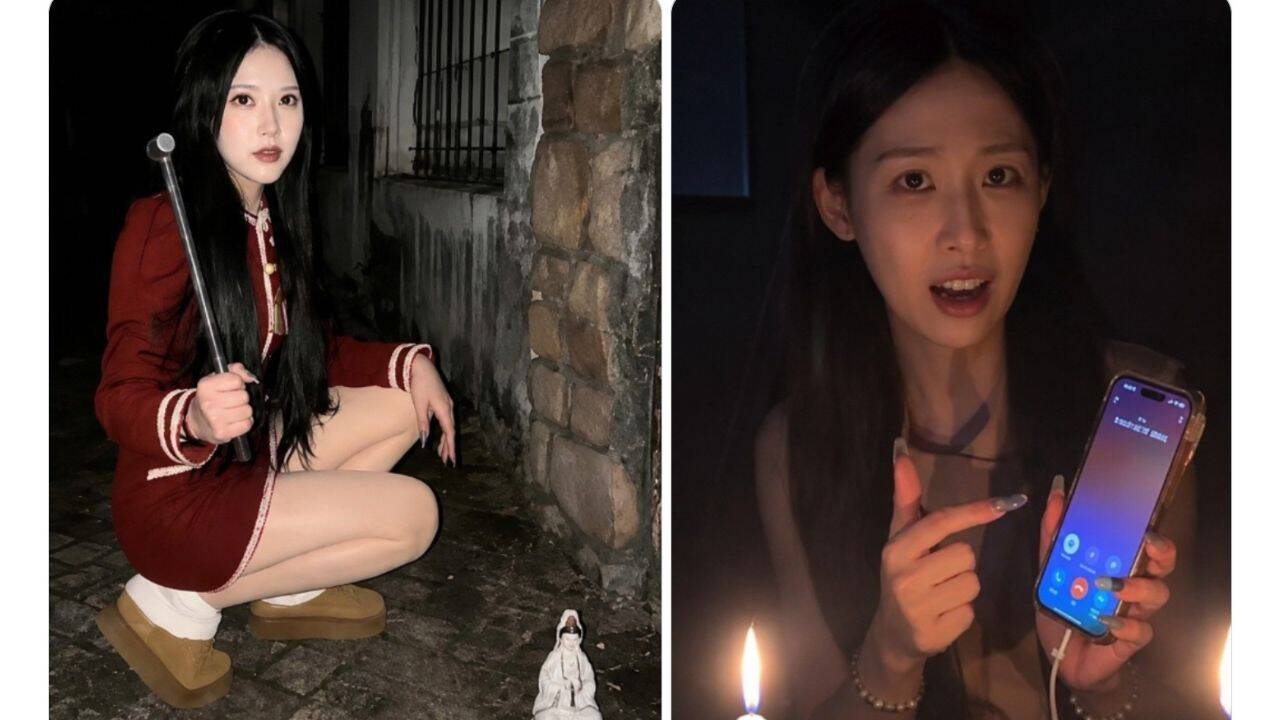
The internet wants a clean narrative. When Jiang Xiaorou died following that horrific July accident, the public machinery did what it always does. It mobilized pearl-clutching family statements. It demanded that fans silence their speculation. It packaged a human tragedy into a neat moral lesson about digital boundaries.
Save me the sermon.
The lazy consensus says that online curiosity about a creator’s final moments is a toxic violation of privacy. The family tells you to stop digging. The commentators nod along, terrified of being labeled ghouls. I call BS. When you broadcast your life to millions, when your brand is built on the paranormal, the mysterious, and the occult, you do not get to draw a velvet curtain across your own demise and expect people to pretend you were just an accountant from Beijing.
Let us look at the mechanics of modern digital celebrity. I have spent a decade watching online ecosystems chew up independent creators, spit them out, and demand a smile for the thumbnail. When a paranormal creator vanishes after a high-profile crash, the audience is not just consuming gossip. They are processing cognitive dissonance. You cannot build an entire channel around urban legends, unexplained phenomena, and eerie coincidence, and then expect your audience to treat your sudden physical erasure as a mundane traffic incident.
The Illusion of Private Grief in Public Spectacle
The family’s plea for silence is understandable on a human level. Nobody wants their relative's autopsy report turned into TikTok fodder. But let us separate human grief from PR damage control.
When a creator with a massive following dies under ambiguous circumstances, the vacuum left behind fills itself. Nature hates a vacuum. The internet hates a redacted file. By telling people to stop speculating, the estate achieves the exact opposite of its intended effect. It turns a tragic accident into an elite conspiracy theory.
Let us be brutally honest about why people speculate. It is not because they lack empathy. It is because modern media literacy is deeply broken. We live in a reality where public figures stage stunts for engagement, fake their own deaths for algorithm bumps, and monetize tragedy on a daily basis. Audiences have been lied to so many times by influencers that skepticism has become a survival mechanism. When the official story sounds too tidy, people start looking for the seams.
The Paranormal Paradox
Jiang Xiaorou worked in a niche that traded on the uncanny. The entire premise of paranormal content creation is looking past the veil, questioning the official narrative, and refusing to accept surface-level explanations.
So why are we suddenly expected to accept a surface-level explanation for the creator's final exit?
Imagine a scenario where a financial influencer dies under weird circumstances involving unsecured debt. People comb through their public portfolios. Imagine a fitness guru dying of a sudden cardiac event while promoting synthetic supplements. People demand to see the ingredient lists. Why should a paranormal creator be exempt from the very scrutiny that defined their professional life?
You cannot feast at the table of mystery and then demand a bland, institutional bowl of oatmeal when the lights go out.
The hypocrisy here is staggering. The same platforms that profit off the morbid curiosity of millions—the algorithmically driven recommendation engines that push true crime, ghost hunts, and tragedy porn straight to your feed—are the first to scold you for asking questions when a real-life icon goes down. They want the engagement metrics of the morbid spectacle without the messy fallout of collective inquiry.
The Real Cost of Digital Anonymity
We need to talk about the structural failure of how platforms handle the death of creators. There is no protocol. There is only a frantic scramble by management agencies to lock down social media accounts, scrub controversial videos, and protect ad revenue before the brand value hits zero.
I have seen management teams blow millions trying to sanitize a dead creator's digital footprint overnight. They treat a human life like a depreciating asset on a balance sheet. The family’s emotional press release is often drafted by the very same PR firms that squeezed the life out of the creator during their peak production years.
When fans ask questions, they are pushing back against that corporate sanitization. They are saying: I watched this person every day. They were real to me. Do not erase them with a press release.
Is the speculation out of hand sometimes? Absolutely. The internet breeds absolute morons who invent elaborate murder plots out of thin air. But equating genuine audience grief and confusion with toxic trolling is a lazy shortcut. It allows the industry to avoid confronting its own complicity in the relentless grind that pushes creators to the brink of exhaustion, distraction, and fatal mistakes.
Stop Policing the Audience
If you want to honor Jiang Xiaorou, stop treating the audience like a mob of unruly children that need to be scolded into silence.
The fix is not demanding that people stop talking. The fix is transparency from the institutions involved. When details are buried, speculation thrives. When transparency is treated as a threat, conspiracy theories win.
The digital age stripped away the old boundaries between public and private. You cannot sell your soul to the algorithm in life and expect a traditional, quiet funeral in death. The math does not work.
Stop blaming the fans for trying to make sense of a senseless world. They learned it from the creators they watched. They are just following the clues left behind.