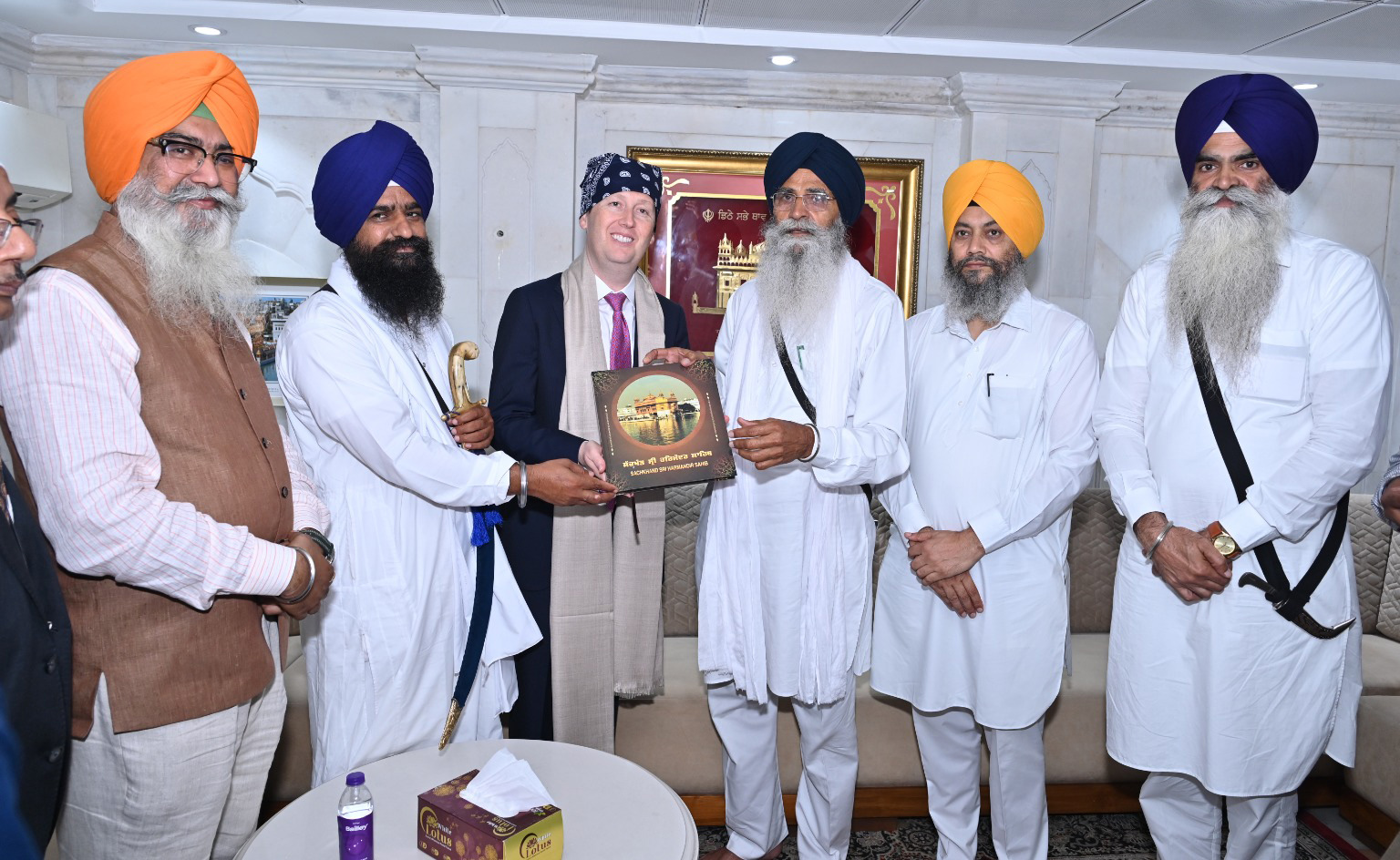
Cameras flash inside the Golden Temple. A senior diplomat bows their head, covers their hair with a saffron cloth, and walks the marble pathways. Headlines scream about historic bonds, renewed ties, and cultural warmth.
It is theater. Pure, unadulterated theater. Recently making waves lately: What Most People Miss About Netanyahu and the Secret UAE Warning.
When figures like US envoy Sergio Gor touch down in Amritsar, international relations commentators trip over themselves praising the optic. They call it a masterclass in diaspora outreach. They write breathless paragraphs about mutual respect, spiritual bridges, and unbreakable bilateral commitments.
They are missing the plot entirely. Additional details into this topic are explored by Al Jazeera.
Foreign policy is not run on head coverings and consecrated sugar offerings. It runs on cold intelligence sharing, extradition frameworks, trade concessions, and security clearances. Shrine visits are not policy shifts; they are public relations pacifiers designed to feed domestic media cycles while hard negotiations stall in secure conference rooms across New Delhi and Washington.
Let us dismantle the comforting narrative that a high-profile official walking through a sacred gateway signals a structural transformation in US-Sikh relations.
The Choreography of Devotion
Every diplomatic trip follows a rigid playbook. State Department planners and embassy handlers construct itineraries designed to generate maximum emotional resonance with minimal diplomatic exposure. Amritsar is the crown jewel of this playbook.
Why? Because the symbolism is foolproof. It requires zero legislative action, costs nothing in trade tariffs, and yields immediate positive sentiment across domestic immigrant communities.
When media outlets report on these visits, they treat the symbolism as substance. They write as if a polite stroll through the shrine complex solves complex geopolitical friction points or rewrites trade agreements. This is intellectual laziness masked as reporting.
I have watched career diplomats spend weeks debating the exact color of the head covering for a photo opportunity while ignoring the actual policy memos sitting on their desks. The optics are engineered to distract you from stagnation. If a bilateral relationship is truly thriving, you do not need a holy site photo-op to prove it. You measure it in export licenses, visa processing speeds, and counter-terrorism intelligence packets.
The Transactional Underbelly of Diaspora Politics
The lazy consensus in modern political commentary assumes that pandering to ethnic and religious diaspora groups automatically translates into coherent foreign strategy. It does not.
The Sikh diaspora in the United States is not a monolith. It spans multiple generations, economic brackets, and political priorities. A first-generation grocery store owner in California cares about different pressures than a third-generation corporate litigator in New York. Yet, mainstream commentary treats the community as a single voting bloc easily swayed by a politician eating langar on camera.
Politicians love this simplification because it is cheap. Courting a diaspora through cultural tourism avoids the hard work of addressing actual grievances.
Imagine a scenario where a foreign envoy visits a religious center while simultaneously overseeing visa denials and bureaucratic roadblocks for community members trying to visit family abroad. The shrine visit gets the front-page splash. The bureaucratic hostility happens in the dark.
This duality is intentional. Cultural diplomacy acts as a sedative. It creates a warm glow that washes away scrutiny of actual state actions. When commentators write about ties being "put in focus" by a shrine visit, they are describing a magic trick. They are looking at the waving hand while the other hand does nothing of consequence.
Realpolitik Versus Spiritual Tourism
Let us look at how international power actually operates. Washington does not shape its South Asia strategy based on how many envoys visit the Golden Temple. It operates on containment, supply chain diversification, technological security, and regional hegemony checks.
India is a vital strategic partner for the United States primarily because of Beijing, not because of Amritsar. The shared security architecture in the Indo-Pacific has zero to do with local religious sentiments and everything to do with naval choke points, semiconductor supply chains, and military interoperability.
When a commentator tries to tie a symbolic pilgrimage to major geopolitical realignment, they misunderstand the incentive structures of superpowers. The United States foreign service does not deploy envoys to holy sites out of sudden spiritual awakening. They go because domestic optics demand visible engagement with minority communities, and foreign ministries demand constant friction-reduction activities that cost nothing.
If you want to know where US-Sikh relations or US-India relations are actually heading, ignore the delegation's Instagram accounts. Look instead at federal court filings, intelligence cooperation agreements, export control exemptions, and trade dispute panels at the World Trade Organization. Those are boring. They do not photograph well. But they are where reality happens.
The Myth of Instantaneous Goodwill
Another persistent fallacy is that a single well-executed visit can erase years of diplomatic missteps or community alienation.
Trust between states and diaspora populations is built through consistent policy alignment over decades. It is built when a government listens to extradition requests, addresses transnational repression allegations transparently, and ensures fair immigration policies. It is never built by eating a communal meal in front of a dozen cameras.
When media coverage breathlessly announces that a visit "puts ties in focus," it implies that ties were previously out of focus due to a lack of tourism. This is absurd. State departments have dedicated desks, hundreds of staff members, and millions of dollars allocated to tracking these relationships every single day. The focus never left. What changed was simply the marketing budget for the optics.
We need to stop grading diplomacy on the curve of emotional theater.
Reading Between the Diplomatic Lines
Next time you see a headline about an envoy touring a historic site, ask yourself a simple question. What policy changed today?
If the answer is nothing—if no treaties were signed, no executive orders issued, no funding unlocked, and no structural reforms announced—then nothing happened. You watched a performance.
Real analysis requires looking past the saffron cloth and the polite bows. It requires judging officials by their statutory outputs, not their pilgrimage souvenirs.
Stop buying the narrative that soft power is a substitute for hard policy. The shrines will remain long after the envoys rotate out to their next postings, leaving behind the exact same structural challenges they pretended to solve with a camera crew trailing behind them.


