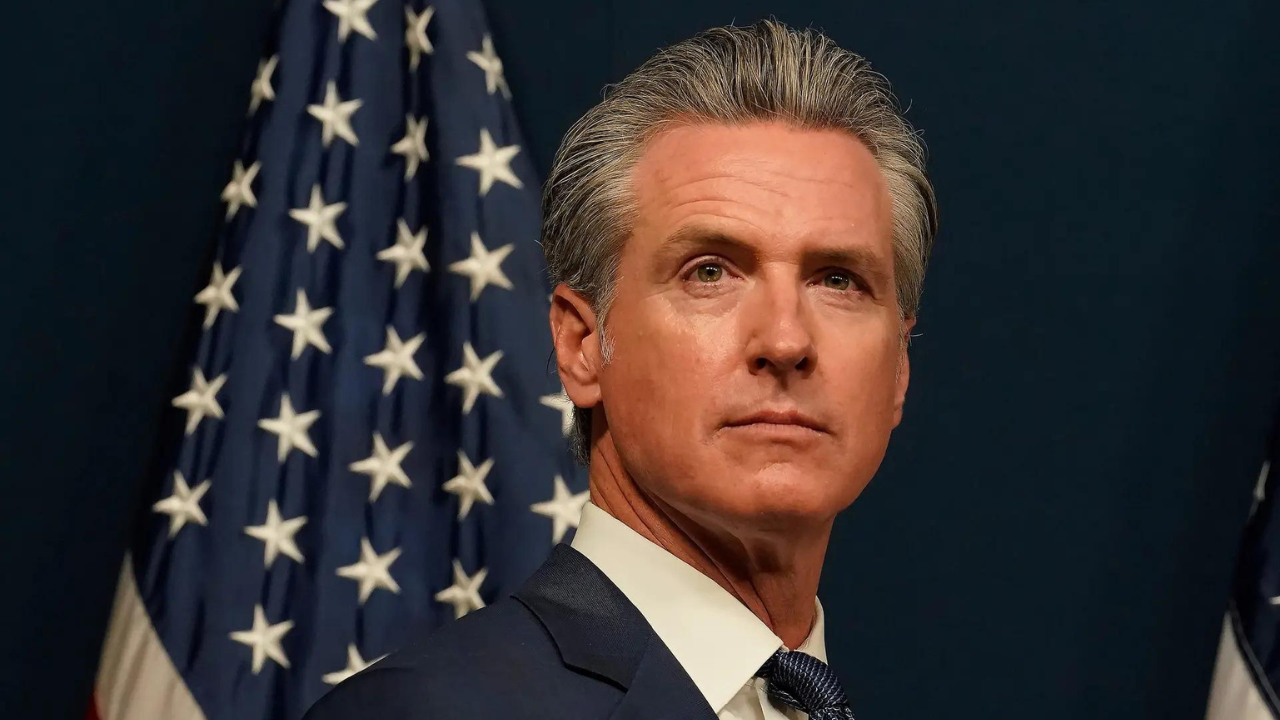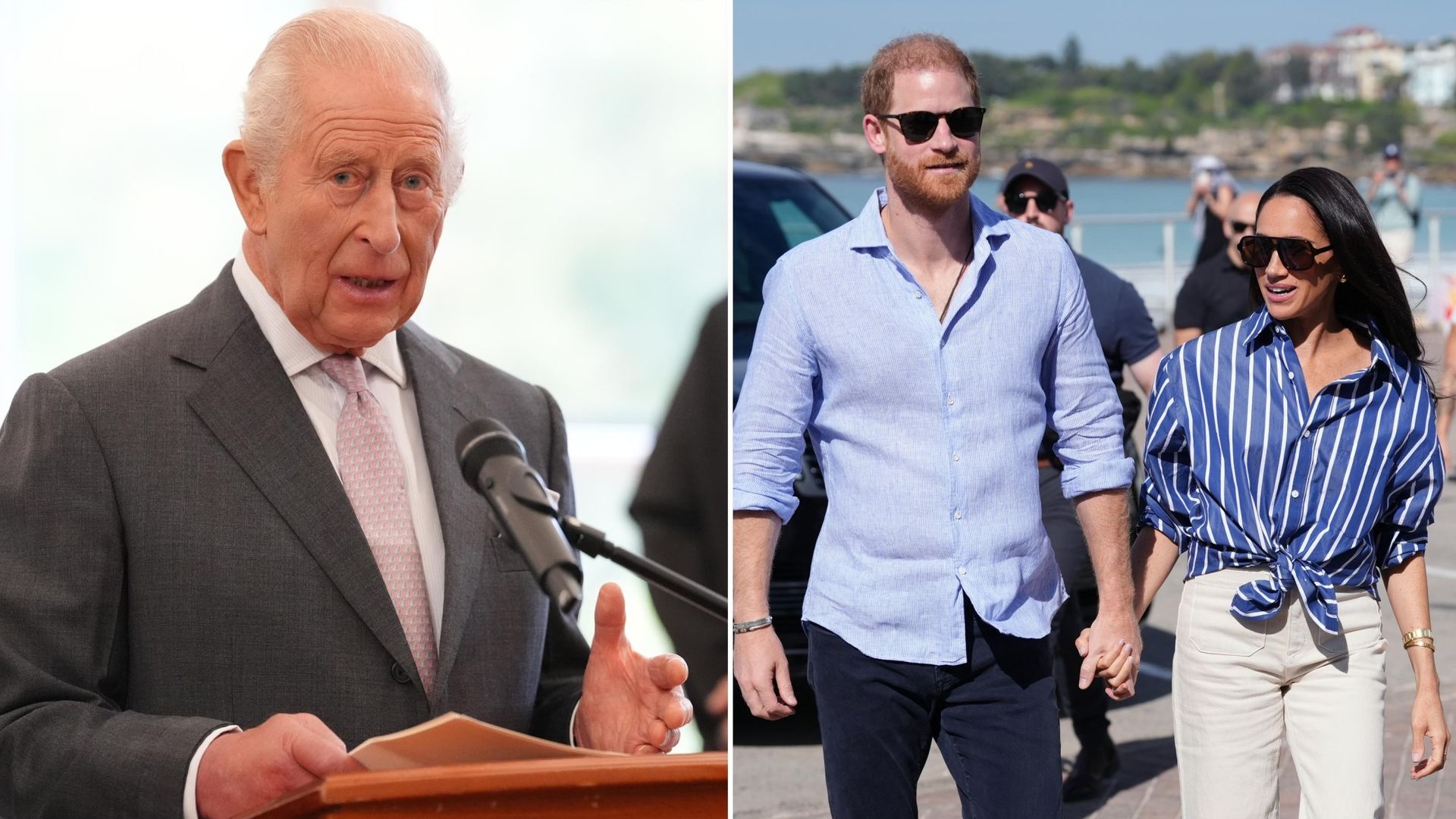
Earl Spencer wants his microphone back. Whenever the dust settles around British royal drama, the ninth Earl emerges from Althorp to deliver a sermon on historical trauma, casting himself as the eternal guardian of his sister's memory. His latest target is the King, whom he accuses of gaslighting, paired with the mandatory proclamation that the press treatment of Harry and Meghan is an exact echo of the campaign that destroyed Diana.
It is a neat narrative. It is also a dangerous fiction.
The lazy consensus running through every sympathetic commentary column is that history is repeating itself. The argument goes that an unfeeling institution and a bloodthirsty tabloid press are executing the exact same playbook against Meghan Markle that they used against the Princess of Wales thirty years ago.
This comparison insults Diana’s memory. It fundamentally misunderstands the mechanics of modern celebrity culture, ignores the structural reality of the 1990s media, and sanitizes a multi-million-dollar brand migration into a human rights crusade.
Let us look at the facts instead of the sentimental fiction.
Diana Spencer was nineteen years old when she entered a dynastic trap. She had no college degree, no personal wealth, no professional network, and zero control over her communications. When her marriage imploded, she was isolated within an impenetrable fortress of courtiers who viewed her distress as a public relations nuisance. She did not sign a multi-million-dollar production deal with a major streaming service to tell her side of the story. She leaked to Andrew Morton from the trunk of a car out of pure, unadulterated desperation because she had no other mechanism for self-preservation. She was hunted by photographers in an era before privacy injunctions, social media self-publishing, or digital security details.
Now compare that to Prince Harry and Meghan Markle.
They did not flee an inescapable prison; they calculated a professional pivot. They weighed the constraints of working royal life against the boundless upside of commercial independence in California. That is not a tragedy. That is a career choice.
When an executive producer on a Netflix docuseries complains about press intrusion while simultaneously orchestrating the release schedule of that very docuseries, we are no longer watching a survival story. We are watching a high-stakes media strategy. To conflate Diana’s absolute powerlessness with the Sussexes' aggressive media management is an insult to anyone who has ever survived actual institutional entrapment.
Earl Spencer’s intervention relies on a convenient rewriting of his own history with the press as well. Let us not forget that Althorp was frequently a revolving door for favored journalists when it suited the family's public relations objectives. The nobility has always used the press while complaining about its vulgarity. The current Earl is merely updating the family tradition for the subscriber economy.
Why does this false equivalence persist? Because victimhood is the most lucrative currency in the modern attention market.
If you frame your departure from a rigid institution as an escape from state-sponsored persecution, you transform mundane employment disputes into a global ideological struggle. Every negative headline is no longer standard celebrity gossip or critical commentary; it is proof of systemic malice. Every low-rating podcast or canceled contract is blamed on invisible saboteurs rather than market realities.
This brings us to the core misconception about the British tabloid press.
The consensus view paints the British media as a monolithic, mustache-twirling villain operating in direct coordination with Buckingham Palace. Having spent years observing the inner workings of media syndicates, I can tell you that the reality is far more chaotic, cynical, and transactional. The press does not run on royal orders; it runs on clicks, outrage, and advertising revenue.
When Harry and Meghan feed the beast with interviews, legal battles, memoirs, and docuseries, they are not starving the monster. They are feeding it an endless supply of premium content. You cannot spend three years declaring your desire for privacy via global media blitzes and then express shock when the media treats you as a media product.
Privacy is maintained by silence. Publicity is maintained by conflict. The Sussexes chose the latter every single time.
Consider a scenario where a corporate executive resigns from a multinational firm, takes a multi-million-dollar severance package, moves to a luxury estate, and launches a competing venture. Nobody would describe that executive as a refugee fleeing an oppressive regime. Yet when royal titles are involved, rational analysis evaporates into royalist soap opera.
The media treatment of Meghan Markle undeniably carried racial animus from fringe elements and reactionary commentators. That is real, documented, and indefensible. But acknowledging that reality does not require us to pretend that a duke and duchess living in Montecito are experiencing the existential terror of a hunted nineteen-year-old in 1997.
By forcing this Diana parallel, the Sussexes and their defenders commit a tactical error. They trap themselves in the past. They become permanently defined by the institution they claim to have rejected. Every press release, every legal filing, and every televised grievance pulls them back into the orbit of the very family they left behind.
If Harry and Meghan actually wanted peace, they would stop weaponizing Diana's ghost. They would let their philanthropic work and commercial ventures stand on their own merits without constantly invoking the trauma of a previous generation.
Instead, they rely on the oldest trick in the public relations playbook: weaponized nostalgia. They borrow Diana's martyrdom to immunize themselves from normal critique. Disagree with their business decisions? You are anti-Diana. Question their production output? You are aiding the palace machine.
This is not fighting back against gaslighting. It is gaslighting the public into believing that ordinary commercial competition and media scrutiny are constitutional crises.
What does "gaslighting" even mean in this context? The term has been completely stripped of its clinical definition—which describes a psychological form of abuse designed to make a victim doubt their own sanity—and turned into a catch-all buzzword for anyone who refuses to validate another person's version of events. When the King or his aides decline to respond to public broadsides with groveling public apologies, that is not gaslighting. That is institutional boundary-setting, however cold or calculating it might be.
In the digital attention economy, neutrality is financial death. To sustain interest across multiple platforms, a public figure needs an active adversary. Without Buckingham Palace as a daily antagonist, the Sussex brand risks fading into the background noise of celebrity philanthropy and lifestyle podcasts. The conflict is not an accidental byproduct of their exit; it is the fuel source.
The royal family is an archaic, dysfunctional institution that deserves rigorous critique. But wrapping modern celebrity branding in the shroud of a nineteen-nineties tragedy does not dismantle monarchy. It monetizes it.
Stop buying the script. The tragedy of Diana Spencer belongs to history. Using it as a marketing hook for a California lifestyle brand is where the real gaslighting begins.