The lazy consensus loves a clean narrative. A legendary all-rounder, a beloved sports icon, dragged into the messy gutters of South Asian politics simply because he accepted a seat in parliament under a regime that eventually imploded. The headlines wring their hands over the attack on his Magura residence, framing it as a tragic misunderstanding of sports neutrality.
It is time to drop the naive act. Shakib Al Hasan is not an innocent bystander who accidentally wandered into a political crossfire. He chose the bed he lay in when he traded athletic integrity for state patronage, becoming a lawmaker for Sheikh Hasina’s Awami League. For a deeper dive into this area, we suggest: this related article.
When you cash political checks, you do not get to cry foul when the bill comes due.
The Myth of the Apolitical Athlete
Look at how the mainstream sports media handles active athletes playing politics. They treat political affiliation like an endorsement deal gone wrong—something that can be scrubbed away with a generic public apology and a few boundary fours. To get more context on this development, detailed coverage can also be found at Bleacher Report.
That mindset collapses under structural reality. Shakib wasn't just a parliamentarian in name; he was an active beneficiary of a system built on autocracy. He enjoyed the protection, the prestige, and the power while students bled on the asphalt in 2024.
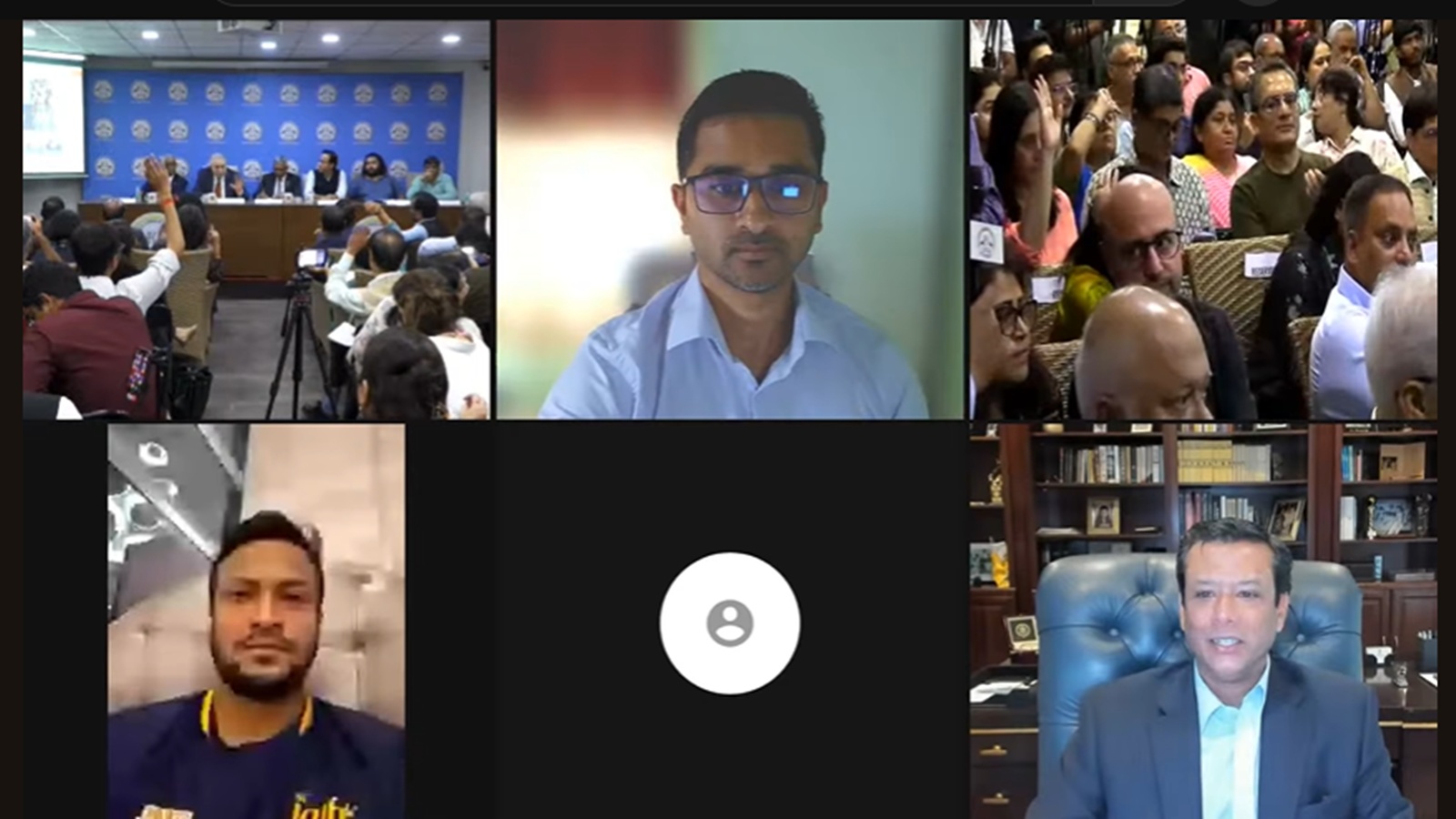
Let us be entirely precise about what happened in Magura. Unidentified actors hurled brick chips and attempted arson at his family home mere hours after he appeared alongside the ousted former prime minister during a virtual press event in New Delhi. Pundits call this a shocking escalation.
I call it predictable cause and effect.
When a disgraced former leader uses foreign soil to signal a return, and high-profile loyalists step up to co-sign that messaging, they are not engaging in passive cultural exchange. They are actively stoking an unstable domestic powder keg.
The Cost of Convenient Silence
Imagine a scenario where a corporate executive rides a corrupt monopoly to immense personal wealth, stays quiet as the enterprise crushes dissent, and then flees abroad. When the company collapses, does the public give that executive a pass because they were good at their day job? Of course not.
Yet, sports fandom creates a bizarre cognitive bias. Because Shakib could spin a cricket ball past international batsmen, we are supposed to divorce his professional wizardry from his ethical complicity.
I have watched public figures try to straddle both sides of a revolution for decades. They want the applause of the masses and the patronage of the strongman. It never works long-term. History does not grant retroactive immunity just because you have a high batting average.
The attack on his home is deplorable in a lawful society, yes. Vandalism and arson are crimes. But treating the symptom while ignoring the disease—the absolute arrogance of political elites who assume they can abandon a country during its darkest hour and manage its rehabilitation from comfortable hotel rooms in Delhi—is intellectual cowardice.
Dismantling the Victimhood Narrative
The core defense offered by Shakib’s apologists is simple: he was out of the country playing franchise cricket when the worst of the violence occurred, and therefore he bears no moral weight.
That defense crumbles under the weight of his own ongoing public alignment. Choosing to share a platform with Sheikh Hasina—who faces severe legal judgments and intense domestic anger—is a deliberate political choice. You do not accidentally log into a high-stakes geopolitical press conference. You do not inadvertently lend your celebrity to a deposed autocrat's return strategy.
Shakib made his calculation. He calculated that his legendary status would shield him from accountability, that the adulation of cricket tragics would override the bitter memories of a crushed democracy.
He miscalculated.
The uproar over his vandalized gates misses the larger reckoning happening across the subcontinent. Citizens who fought for structural change do not care about your match-winning spells when your parliamentary vote enabled the apparatus that locked them down.
Stop asking how a sports icon could be treated this way. Ask why we ever expected sports stardom to grant immunity from political consequence.
Accountability has arrived. It is loud, it is messy, and no amount of spin is going to bat it away.