A 4.3 magnitude earthquake just hit Afghanistan. If you follow mainstream news alerts, you probably saw a headline about it. You might have even felt a momentary pang of concern. That concern is a waste of your emotional bandwidth and a failure of modern journalism.
In the world of seismology, a 4.3 is a rounding error. It is a geological sigh. Yet, because we have automated scraping bots and a 24-hour hunger for "breaking" content, every minor tectonic twitch is treated like a localized apocalypse. We are hyper-tuning our collective anxiety to events that, for the people on the ground, are often barely worth mentioning.
The Magnitude Myth
Let’s talk about the Richter scale—or more accurately, the Moment Magnitude Scale ($M_w$). Most people view a 4.3 and a 7.3 as being relatively close. They aren't. Because the scale is logarithmic, a magnitude 7.0 earthquake releases roughly 1,000 times more energy than a 5.0.
A 4.3 is essentially a loud vibration. In a place like the Hindu Kush, where deep-focus quakes are a daily reality, a 4.3 is the equivalent of a heavy truck driving past your house. Reporting it as "news" is like reporting every time a thunderstorm produces a single bolt of lightning. It’s technically an event, but it isn’t a story.
The media fixates on these numbers because they are easy to track. The United States Geological Survey (USGS) or the EMSC pings an API, a template fills itself in, and a "journalist" hits publish. This isn't reporting; it's noise pollution.
Data Without Context Is a Lie
When you see a headline about a 4.3 in Afghanistan, what's missing? Everything that actually matters.
- Depth: A 4.3 at 200 kilometers deep is unfelt. A 4.3 at 2 kilometers deep might crack some plaster. Without the depth, the magnitude is a useless metric.
- Population Density: Most of these quakes hit remote mountain ranges. They shake rocks that haven't seen a human in a century.
- Infrastructure: In Kabul, building codes are a suggestion. In Tokyo, a 4.3 wouldn't stop a subway. The story isn't the quake; it's the poverty that makes even minor tremors a risk.
By focusing on the "Earthquake strikes" headline, we ignore the real issue: why a minor event is even a concern. If a 4.3 is a threat, the problem isn't the Earth; it’s the architecture. We should be writing about corrupt construction contracts and lack of rural aid, not the inevitable movement of the Indian Plate.
The Algorithm of Fear
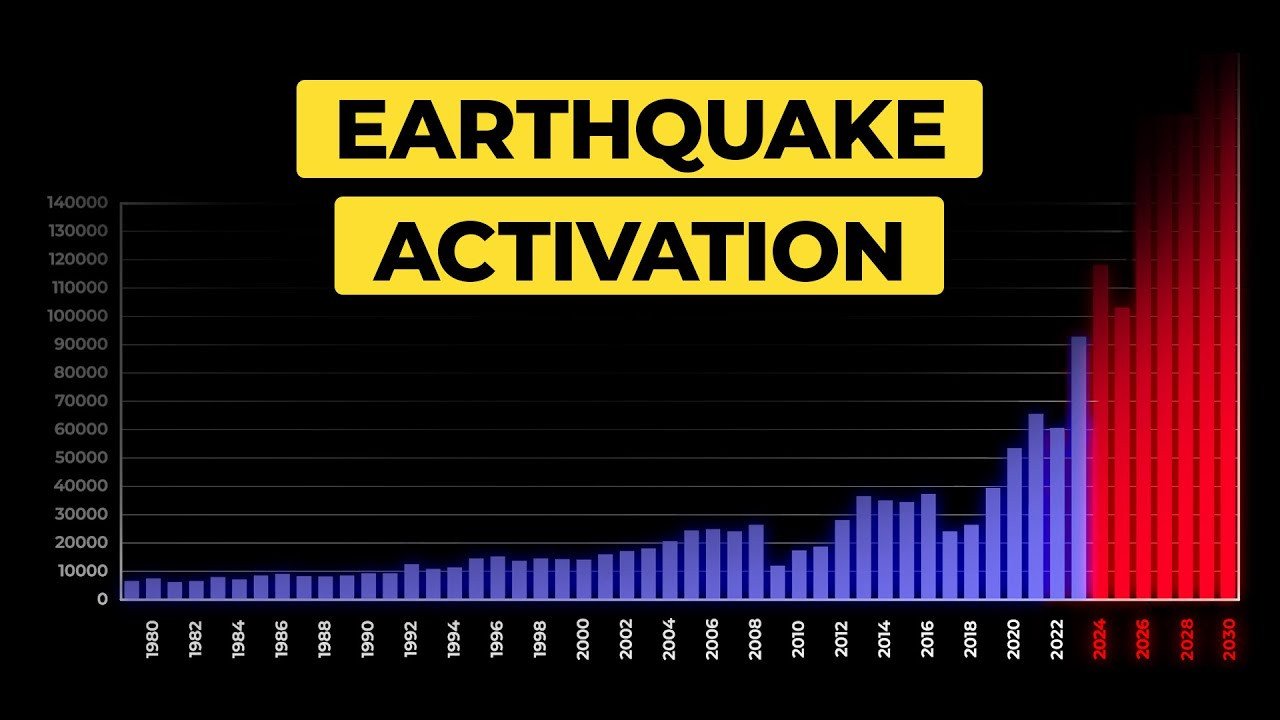
Newsrooms have shifted from editorial judgment to algorithmic chasing. They know that "Earthquake" is a high-intent search term. When a tremor occurs, people search for "earthquake near me" or "Afghanistan earthquake today."
Outlets publish these fluff pieces to capture that search traffic. They aren't trying to inform you; they are trying to satisfy a Google crawler. This creates a feedback loop where the public believes the world is becoming more volatile simply because we’ve gotten better at reporting the mundane.
I’ve seen this play out in newsrooms for a decade. We ignore the slow-moving disasters—droughts, soil erosion, crumbling bridges—because they don't have a "magnitude." They don't trigger an automated alert. We trade the significant for the immediate.
Stop Asking if it Happened
"People Also Ask" sections are filled with queries like "Was there an earthquake in Afghanistan today?"
The answer is almost always "Yes." There are roughly 1.3 million earthquakes globally every year between magnitude 2.0 and 2.9. There are about 13,000 in the 4.0 to 4.9 range. That’s about 35 every single day.
If we reported every 4.3 with the gravity of the recent Afghanistan alert, the news cycle would be nothing but a list of seismic coordinates.
We need to redefine what constitutes a "strike." A 4.3 doesn't "strike." It occurs. It happens. It passes. To use violent, active verbs for minor geophysical adjustments is a linguistic trick designed to keep you clicking. It’s sensationalism disguised as data.
The Cost of the Boy Who Cried Wolf
When we treat a 4.3 with the same digital urgency as a 7.8, we fatigue the audience. When the "Big One" actually happens—the kind of quake that levels cities and requires immediate international mobilization—the public is already numb. They’ve seen "Earthquake strikes Afghanistan" forty times this year. They scroll past.
This isn't just a critique of the media; it's a warning about our tech-driven perception of reality. We are substituting data points for wisdom.
The Actionable Pivot
Stop clicking on these alerts. If the magnitude starts with a 4, and you aren't currently standing in the epicenter, it isn't news.
If you want to understand the risk in a region like Afghanistan, look at the Global Seismic Hazard Map. Look at the PAGER (Prompt Assessment of Global Earthquakes for Response) system from the USGS. PAGER tells you the estimated fatalities and economic losses. For a 4.3, the estimated fatalities are almost always zero.
If the PAGER alert isn't yellow, orange, or red, go back to your coffee.
The industry needs to stop treating the USGS RSS feed as a primary source for "Breaking News." Until an event actually disrupts human life, it belongs in a spreadsheet, not a headline.
Turn off your minor quake notifications. Save your attention for things that actually move the needle, not just the needle on a seismograph.