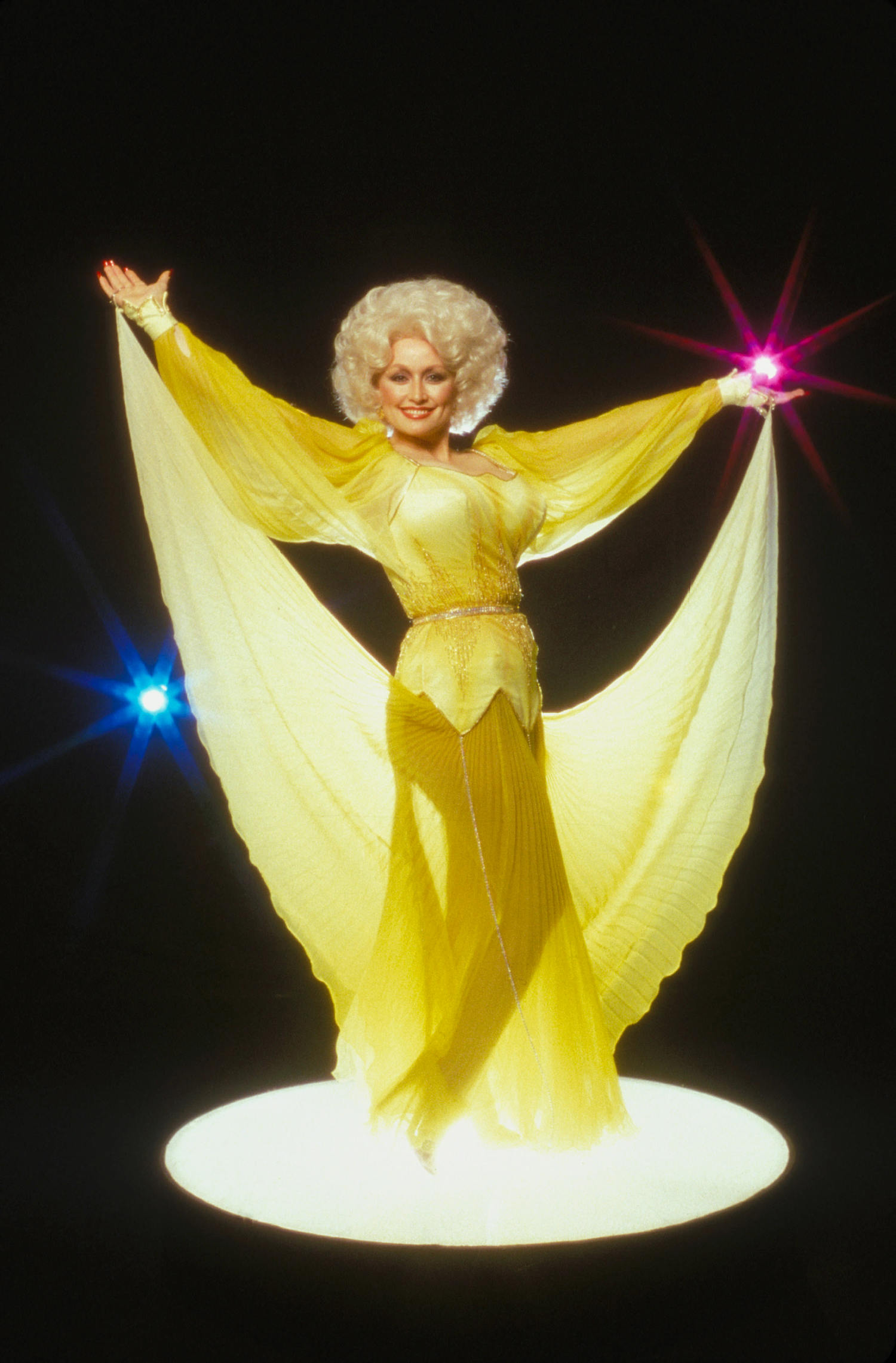
Every decade, a fresh wave of media profiles rehashes the exact same narrative about Dolly Parton. They track her trajectory from the scrub boards of Sevier County to the silver screen of Nine to Five, sprinkle in her godmother status to Miley Cyrus, and serve it up as a heartwarming parable about a down-home girl done good.
It is lazy journalism. It misses the engine room entirely. For a different perspective, consider: this related article.
Treating Dolly Parton as a wholesome, accidental icon who simply survived the Hollywood churn with a smile is a monumental misread of industrial strategy. She is not a folksy survivor of the entertainment machine. She is the machine. Long before modern creators bickered over content ownership and direct-to-consumer monetization, Parton engineered an impenetrable, privately held commercial empire disguised as a rhinestone-studded caricature.
Strip away the wig jokes and the self-deprecating banter. What remains is a masterclass in vertical integration, intellectual property protection, and ruthless brand preservation that modern executives spend millions trying to replicate. Related analysis on the subject has been published by Wall Street Journal.
The Myth Of The Naive Hillbilly
The lazy consensus claims that Parton leaned into self-deprecation to disarm critics. She once famously quipped that it costs a lot of money to look this cheap. Media analysts love quoting that line as proof of her self-awareness.
They treat her business acumen like a happy accident. They act as though a naive songwriter from East Tennessee accidentally backed into owning the publishing rights to I Will Always Love You, turning down Elvis Presley’s camp because Colonel Tom Parker demanded half her publishing.
Let us look at the reality of that decision. In 1974, turning down the biggest pop star on the planet because a predatory manager wanted to swallow your equity is not a cute rural anecdote. It is corporate chess of the highest order. Parton protected her asset. Twenty years later, Whitney Houston’s version cleared millions of dollars directly into Parton’s bank account, funding Dollywood's expansion.
I have watched executives at major media conglomerates hand away master rights and equity percentages for a quick upfront payout and a pat on the back. They fold the moment a room full of suits applies pressure. Parton stood her ground against the most powerful manager in music history when she was barely twenty-eight years old.
She did not win because she was charming. She won because she understood the math of ownership.
The Hidden Architecture Of Dollywood
Most pop culture retrospectives focus on her acting credits or her discography. They talk about Steel Magnolias or her recent venture into rock and roll. They treat Dollywood as a quaint theme park nestled in the Smokies, a fun side project for a wealthy matriarch.
That perspective demonstrates a total ignorance of regional economic dominance.
Dollywood is not just a theme park. It is the anchor tenant of an entire regional economy in Pigeon Forge, Tennessee. Parton retained a massive ownership stake through Herschend Family Entertainment, ensuring that her hometown profited directly from her gravity. While other celebrities slap their names on cheap vodka brands or fast-casual burger chains for a licensing fee, Parton embedded herself into the physical infrastructure of her community.
When you look at celebrity licensing deals today, they are fragile. They rely on transient social media clout. When the influencer fades, the product dies. Parton did the opposite. She anchored her brand in concrete, steel, and seasonal tourism that weather generations of economic shifts.
Imagine a scenario where a modern pop star bypassed traditional venture capital, built a proprietary physical ecosystem, and employed thousands of local workers while keeping creative control over every single piece of merchandise sold on the grounds. That is not pop stardom. That is a feudal lord with a heart of gold.
The Weaponization Of Radical Transparency
The cleverest trick Parton ever pulled was convincing the public that she had nothing to hide.
By leaning heavily into the artifice of her appearance, she created a titanium shield around her private life. She wears the armor of hyper-femininity and self-parody so effectively that invasive tabloid culture bounces right off her. Everyone knows about the wigs, the makeup, and the body jokes because she gives them away for free.
What do we actually know about her business holdings, her real estate portfolio, or her operational decision-making? Very little.
Media training courses teach executives to manage public relations through defensive corporate boilerplate. Parton mastered proactive deflection decades ago. She gives the press the headline they want so she can protect the ledger they cannot see.
When people ask how she has managed to stay culturally relevant across six distinct decades without a single major public relations scandal or brand collapse, they look for psychological explanations. They talk about her warmth, her faith, or her natural empathy.
Those traits keep people in the seats, but they do not keep a business solvent for fifty years. Relentless discipline keeps a business solvent. The warmth is the marketing budget. The steel underneath is the product.
Stop Studying The Aesthetic
If you are an entrepreneur, a creator, or a corporate strategist studying Parton, stop looking at the sequins. Stop writing essays about her transition from country darling to cross-genre icon.
Ask yourself these uncomfortable questions about your own operations:
- What percentage of your core intellectual property do you actually own, and what are you handing away for short-term distribution wins?
- Are you building an audience that vanishes when the algorithm shifts, or are you embedding your brand into physical or economic infrastructure that cannot be easily copied?
- Do you use public-facing charm as a deliberate shield to protect your operational independence, or are you just trying to be liked?
Parton did not survive the modern entertainment industry by playing nice. She survived by being sharper, patient, and infinitely more strategic than the men who tried to buy her out room by room.
The next time you see a retrospective reducing her to a wholesome godmother, remember the Elvis publishing standoff. Remember who holds the keys to the park.
She is not a relic of a simpler time. She is the blueprint for total sovereignty.
Take notes or get outmanaged.


