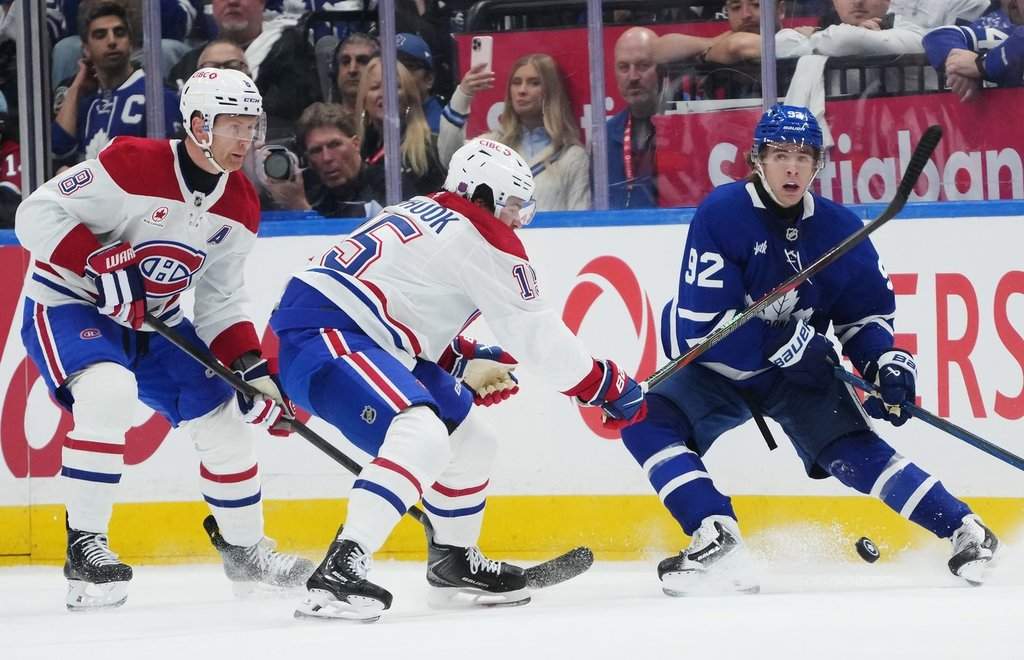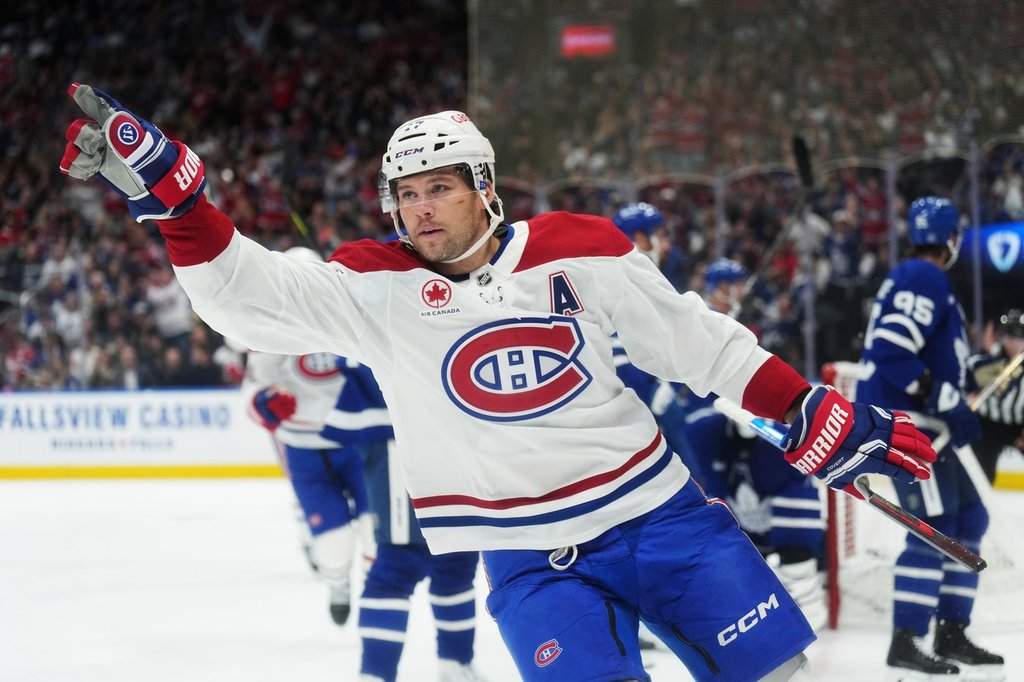
The hockey media industrial complex spent forty-eight hours hyperventilating over Gavin McKenna pulling on a Toronto sweater for the first time. When the Montreal Canadiens walked out of Scotiabank Arena with a 3-2 victory and left the 2026 first overall pick sitting at a minus-two with a solitary shot on goal, the pundits immediately pivoted to the predictable panic narrative. Was he rushed? Is the weight of the market already crushing an eighteen-year-old kid from Whitehorse?
It is absolute noise.
We have poisoned how we evaluate elite talent development in professional hockey through our obsession with instant gratification. The lazy consensus demands that every teenage phenom steps onto NHL ice and replicates Auston Matthews burying four goals on opening night. When reality intrudes—when a smart, defensively sound opponent like Montreal chokes off neutral zone space and forces a rookie into tough minutes—the amateur analysts scream about red flags.
Let us dismantle this delusion with actual logic.
The traditional hockey pundit looks at a minus-two stat line and hyperventilates about defensive liabilities. I look at a kid logging over fifteen minutes of ice time in his very first regular-season contest against a structured veteran defensive corps and see a baseline of trust from the coaching staff. Jim Hiller did not bury him on the bench. He let him bleed, learn, and adjust to a pace where time evaporates in milliseconds.
When McKenna bluntly told reporters that his performance was not his best, he displayed the exact self-awareness that separates franchise pillars from flash-in-the-pan busts. He did not hide behind clichés. He owned the speed adjustment.
Every elite playmaker who has ever transitioned from dominant junior or collegiate tiers to the majors hits a wall where raw skill stops working. In the Western Hockey League or at Penn State, McKenna could manipulate space with casual elegance. Against Montreal, Mike Matheson and a suffocating checking structure slammed the door shut. That is not a failure. That is a masterclass in professional education delivered for free in Game One.
Consider the alternative universe where McKenna scores two lucky bounces off a skate or a power-play scramble. The fanbase loses its collective mind, the pressure scales exponentially, and the player spends the next three months trying to live up to an unsustainable shooting percentage instead of learning how to manage the walls. A quiet, humbling, hard-fought loss is the greatest thing that could have happened to a generational talent entering the fishbowl of Toronto.
Look at the tracking data from his early career trajectory. Elite offensive creation does not vanish overnight just because a teenager gets blanked on a Tuesday in September. Within weeks, that exact same vision translated into sustained production because the underlying processing speed is real. You cannot teach hockey IQ, and McKenna's processing speed is in the top tier of his draft class.
We need to stop treating a rookie's first eighty minutes of professional hockey as a referendum on their entire ceiling. Development is not a straight upward linear graph. It is a series of violent adjustments, failures, and recalibrations.
The panic over a minus-two on opening night tells you more about the fragility of modern sports media than it does about the player. Let the kid breathe, let him take his lumps against veteran checking, and watch what happens when the noise finally fades.