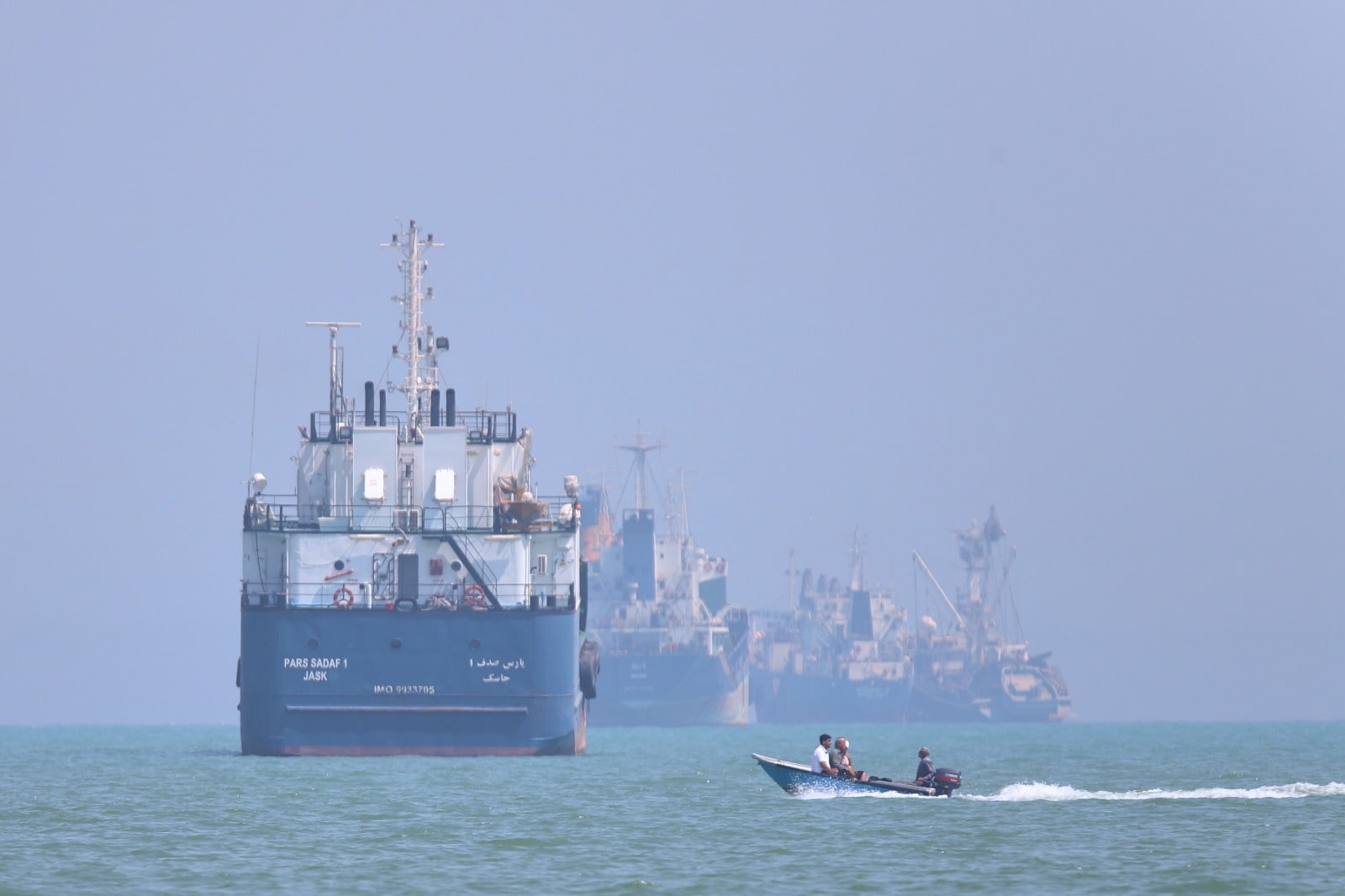
Just weeks after the United States and Iran signed a highly anticipated 14-point memorandum of understanding to halt regional hostilities, the world’s most critical energy chokepoint is burning again. Within a chaotic 24-hour window, three commercial tankers were struck by projectiles and drones while transiting the Strait of Hormuz.
This isn't a minor hiccup. It's a direct challenge to international maritime law and a clear sign that the fragile 60-day interim ceasefire reached last month might be dead on arrival. For global energy markets hoping for a return to normalcy, the timing couldn't be worse.
The most dramatic incident involved the Al Rekayyat, a Qatari liquefied natural gas (LNG) carrier bound for Dahej, India. While moving through the Gulf of Oman near the mouth of the strait, a drone struck the vessel’s port side, right above the engine room.
The impact triggered a serious fire, filling the engine room with heavy smoke. In a frantic emergency radio transmission, the ship's captain issued a clear distress call. "Mayday mayday mayday," he reported. "We are being hit by drone on port side, top of engine room. Status: engine room fire and full of smoke. Unable to assess further damage."
Remarkably, all 29 seafarers on board—including four Indian nationals—escaped injury. The ship sustained structural damage but managed to keep moving toward its destination in Gujarat, India, with no immediate signs of an oil spill or environmental pollution.
The Battle of the Shipping Lanes
The attack on the India-bound LNG carrier wasn't an isolated event. Two other commercial vessels were hit in quick succession. One of them, a Saudi-flagged crude oil tanker believed to be the supertanker Wedyan, suffered damage off the coast of Oman. A third vessel was struck by an unidentified drone later in the day, escaping with minor structural damage and continuing its voyage.
While Tehran hasn't officially claimed responsibility, Iranian state media dropped heavy hints. State television reported that the Qatari LNG tanker was targeted because it was "ignoring repeated warnings."
The real dispute stems from a geopolitical turf war over who controls the physical lanes of the strait. Tehran insists that all commercial traffic must follow routes approved by the Iranian military and register with their authorities. Last week, Iran's joint military command explicitly warned that any ship straying from these lanes or relying on American protection would face a "rapid and decisive reaction."
Conversely, the Joint Maritime Information Center—a multinational coalition overseen by the U.S. Navy—assured global shipping firms that an alternative, expanded route running closer to the Omani coastline is fully open and safe for international traffic. The data shows that all three targeted ships were struck near Limah, Oman, or along the Emirati border. They were using the U.S.-approved Omani route. Iran is effectively enforcing its own rules with explosive drones.
Global Fallout and Broken Promises
The diplomatic fallout was immediate. Qatar discarded standard diplomatic phrasing and explicitly blamed Tehran for the strike on the Al Rekayyat. Qatari Foreign Ministry spokesperson Majed Al-Ansari called it a grave violation of international law. He stated that Doha holds Iran "fully legally responsible" for the attack and the resulting threats to global energy supplies.
This escalation shatters the brief period of optimism that followed the signing of last month's peace deal. That agreement was supposed to pause fighting across multiple fronts—including Lebanon—and guarantee free transit through the Strait of Hormuz. It was meant to give diplomats room to negotiate a permanent end to the broader war that began earlier this year, a conflict marked by the killing of Iranian Supreme Leader Ayatollah Ali Khamenei.
Instead, indirect talks held in Qatar last week collapsed without a breakthrough. Iran has used the lull to tighten its grip on the waterway, even attempting to implement a controversial transit fee system for commercial vessels.
The United Kingdom Maritime Trade Operations (UKMTO) has kept the maritime threat level at "substantial." Global shipping companies face a difficult choice: comply with Iran’s aggressive registration demands or risk navigating alternative paths that leave them exposed to drone strikes.
What Shippers Must Do Next
If you run maritime operations or manage supply chains reliant on Middle Eastern energy, don't rely on the ink of recent diplomatic agreements. The ceasefire is failing on the water.
- Rethink Route Risk Assessment: Do not treat U.S. naval assurances of "open routes" near Oman as a guarantee of safety. Iran has demonstrated both the intent and the capability to strike vessels using these expanded corridors.
- Enforce Strict Security Readiness: Crews transiting the Gulf of Oman and the Strait of Hormuz must remain on high alert. Review drone mitigation protocols and ensure fire suppression systems in high-risk zones, like the engine room casing, are fully operational.
- Prepare for Insurance Volatility: Expect war risk insurance premiums for Persian Gulf transits to spike once again. Factor these escalating transportation costs into Q3 and Q4 financial projections immediately.
The reality on the ground is simple. A fifth of the world's oil and natural gas passes through this narrow choke. Peace deals negotiated in air-conditioned rooms mean very little when drones are still flying over the water.