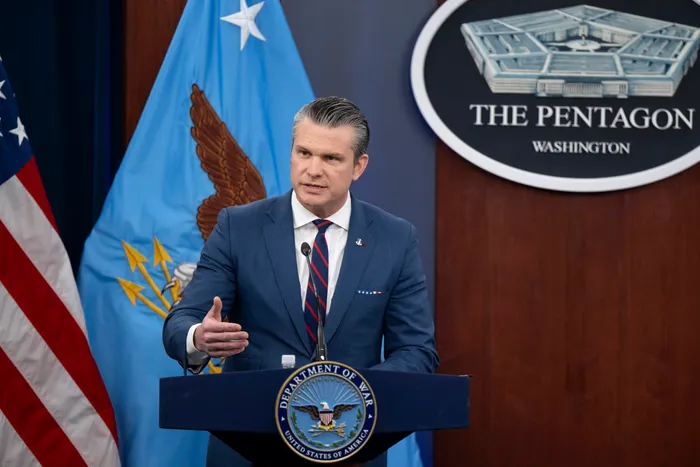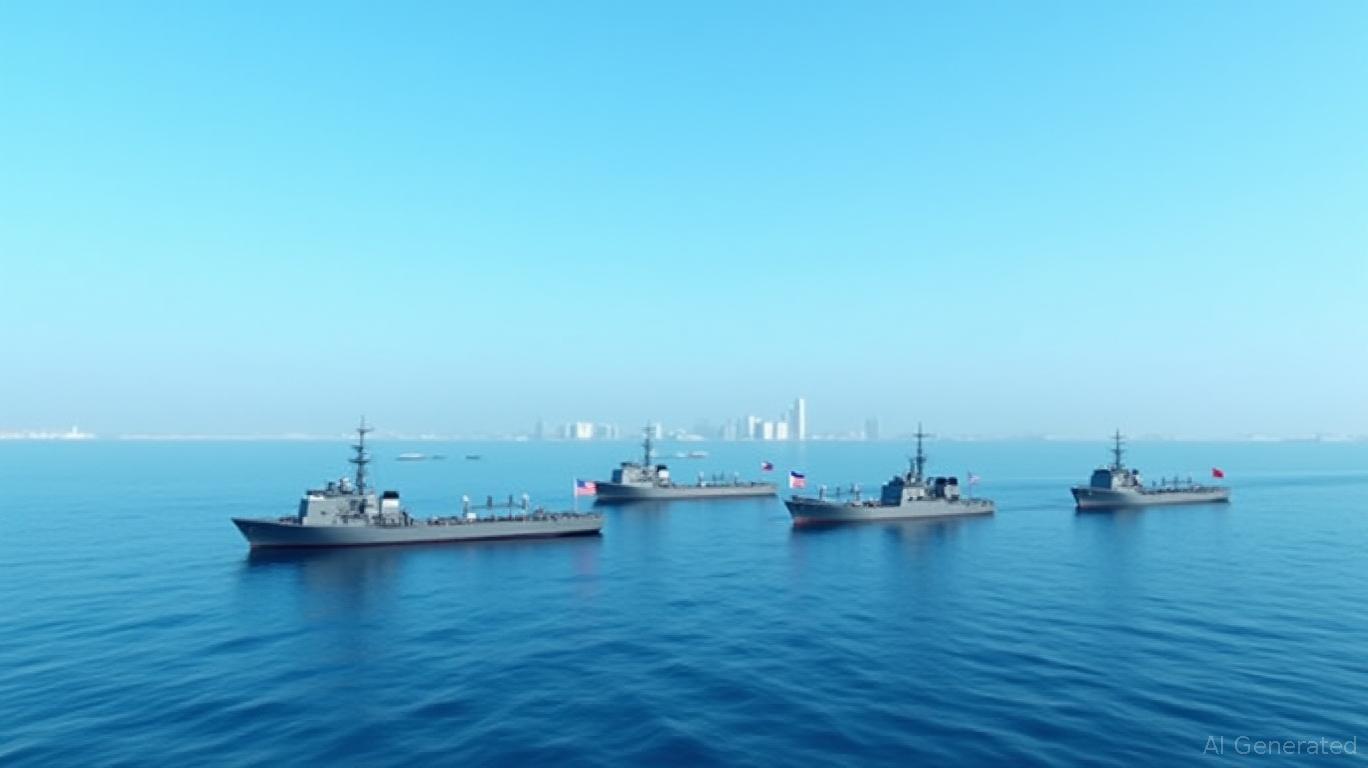
The global economy breathes through a twenty-one-mile-wide windpipe known as the Strait of Hormuz. One-fifth of the world’s daily petroleum liquids pass through this narrow gap between Oman and Iran. When Pete Hegseth, the incoming U.S. Defense Secretary, signals a "blockade or bombs" ultimatum to Tehran, he isn't just threatening a rogue state; he is gambling with the structural integrity of the Western energy market. The core premise is simple: the United States is moving away from decades of "managed tension" in the Persian Gulf toward a doctrine of absolute deterrence. However, the reality of modern naval warfare suggests that a total blockade is easier to announce than to enforce.
Hegseth’s rhetoric leans on the assumption that American kinetic superiority can solve a logistical and asymmetric puzzle that has stumped military planners since the 1980s Tanker War. If the Strait closes, oil prices don't just rise; they teleport. We are talking about a jump from $80 to $200 per barrel in a matter of weeks. The "why" behind this aggressive posture is rooted in a desire to end the cycle of Iranian-backed proxy harassment by making the cost of interference terminal for the Islamic Revolutionary Guard Corps (IRGC). For an alternative view, read: this related article.
The Asymmetric Nightmare in Shallow Waters
To understand the Hormuz crisis, you have to look past the aircraft carriers. The U.S. Navy operates on a philosophy of blue-water dominance, but the Strait is a brown-water cage. The IRGC Navy (IRGCN) does not try to match the U.S. ship-for-ship. Instead, they utilize a swarm doctrine.
Imagine hundreds of fast-attack craft, some no larger than a speedboat, equipped with Chinese-designed C-704 anti-ship missiles or GPS-guided suicide drones. In the narrow transit lanes of the Strait, a billion-dollar destroyer is a massive target with limited room to maneuver. The IRGC has spent thirty years pre-positioning mobile missile batteries in the jagged cliffs along the Iranian coastline. These batteries stay cold—no radar emissions, no radio chatter—until the moment of launch. Similar reporting on this trend has been provided by The New York Times.
A blockade isn't just a line of ships. It is a constant, high-stakes game of electronic warfare and rapid-response interception. If the U.S. attempts to shutter Iranian ports, Tehran’s immediate response will be to mine the shipping channels. Removing "smart" bottom-mines while under fire from coastal artillery is a slow, bloody process that most Western voters aren't prepared for.
Why the Bombing Option is Not a Reset Button
Hegseth’s suggestion of "bombs" implies a surgical strike capability that can neuter the IRGC’s ability to retaliate. This is a common misconception in Washington circles. You can bomb the airfields, and you can level the port facilities at Bandar Abbas, but you cannot easily "bomb" a decentralized network of tunnels and hidden silos carved into the Zagros Mountains.
Historical precedent shows that air campaigns against dispersed insurgent-style militaries often result in a "whack-a-mole" scenario. In the 1980s, during Operation Praying Mantis, the U.S. Navy successfully crippled the Iranian fleet in a single day. But that was a different Iran. Today, they possess the largest missile arsenal in the Middle East. A strike on Iranian soil would likely trigger a multi-front response involving Hezbollah in Lebanon and the Houthis in Yemen, effectively turning the entire Red Sea and Persian Gulf into a no-fly zone for commercial tankers.
The Collateral Damage to Global Tech
The crisis isn't limited to the price of gasoline at the pump. Modern semiconductor manufacturing and the hardware supply chain are deeply tied to energy stability. A sustained conflict in the Strait would cause a massive spike in electricity costs for data centers across Europe and Asia.
- Refining capacity: Much of the crude passing through Hormuz is destined for Asian refineries that produce the specialty plastics used in electronics.
- Liquefied Natural Gas (LNG): Qatar, the world’s top LNG exporter, sends almost all of its output through the Strait. A blockage means the lights go out in parts of the UK and Japan.
- Shipping Insurance: Within 48 hours of an exchange of fire, insurance premiums for any vessel entering the Gulf would become prohibitively expensive, effectively creating a "de facto" blockade even if the water is clear.
The China Factor and the Failure of Sanctions
A significant overlooked factor in this escalation is Beijing. China is the primary buyer of Iranian "ghost" oil. While the U.S. views a blockade as a way to starve the IRGC of funds, China views it as a direct assault on its energy security. If Hegseth follows through with a policy that physically prevents Chinese tankers from loading at Kharg Island, the friction moves from Washington-Tehran to Washington-Beijing.
The U.S. is betting that its recent expansion of the "Abraham Accords" framework will provide enough regional support to weather the storm. But the Gulf monarchies are hesitant. Saudi Arabia and the UAE have spent the last three years trying to de-escalate with Iran precisely because they know their multi-billion-dollar "Vision 2030" infrastructure projects are sitting ducks for Iranian missiles. They want Iran contained, but they do not want a hot war on their doorstep that incinerates their tourism and tech hubs.
The Logistics of a Modern Blockade
How do you actually stop a country from exporting oil in 2026? It is no longer just about stopping tankers. Iran has mastered the art of "ship-to-ship" transfers in international waters, using "dark fleets" with turned-off transponders.
To execute a true blockade, the U.S. would need to:
- Establish a "Maritime Exclusion Zone" that applies to all flags.
- Deploy constant MQ-4C Triton surveillance to track every small craft.
- Be willing to sink non-compliant civilian vessels, a move that would shred international law and alienate allies.
The risk is that an aggressive posture leads to an accidental escalation. A nervous sonar operator or a misinterpreted drone flight could trigger a cascade. When Hegseth talks about "choosing poorly," he is framing the situation as a binary choice for Iran. In reality, it is a binary choice for the U.S.: accept a nuclear-capable Iran that dominates the Strait, or commit to a full-scale regional war that could bankrupt the global economy.
The Hidden Cost of Defense Diplomacy
The shift in rhetoric also marks the end of the "diplomacy first" era that defined the nuclear deal years. By moving straight to threats of kinetic action, the U.S. removes the off-ramps. When a superpower tells a regional power they will be bombed if they don't comply, the regional power often doubles down on its most "hedgehog" defenses. We are seeing Iran move its most sensitive nuclear and military assets deeper underground, making them even harder to reach with conventional bunker-busters.
This isn't just about "toughness." It is about the math of the Middle East. The U.S. Fifth Fleet, based in Bahrain, is within range of thousands of short-range ballistic missiles. A "blockade" strategy requires these ships to stay in the Gulf, effectively making them hostages to Iranian intent.
The strategy Hegseth proposes assumes that Iran will blink. But the IRGC's entire internal legitimacy is built on "Resistance." If they blink, the regime's ideological foundation cracks. If they don't, the world’s energy supply goes up in flames. The margin for error has never been thinner, and the tools being proposed—bombs and blockades—are blunt instruments for a conflict that requires a scalpel.
The next move won't be made in a briefing room in D.C., but on the deck of a lonely tanker nearing the Musandam Peninsula. Every degree of temperature raised in the rhetoric increases the probability that a single tactical mistake becomes a global catastrophe. Ensure your portfolio is hedged for $150 oil; the era of cheap, guaranteed transit is over.