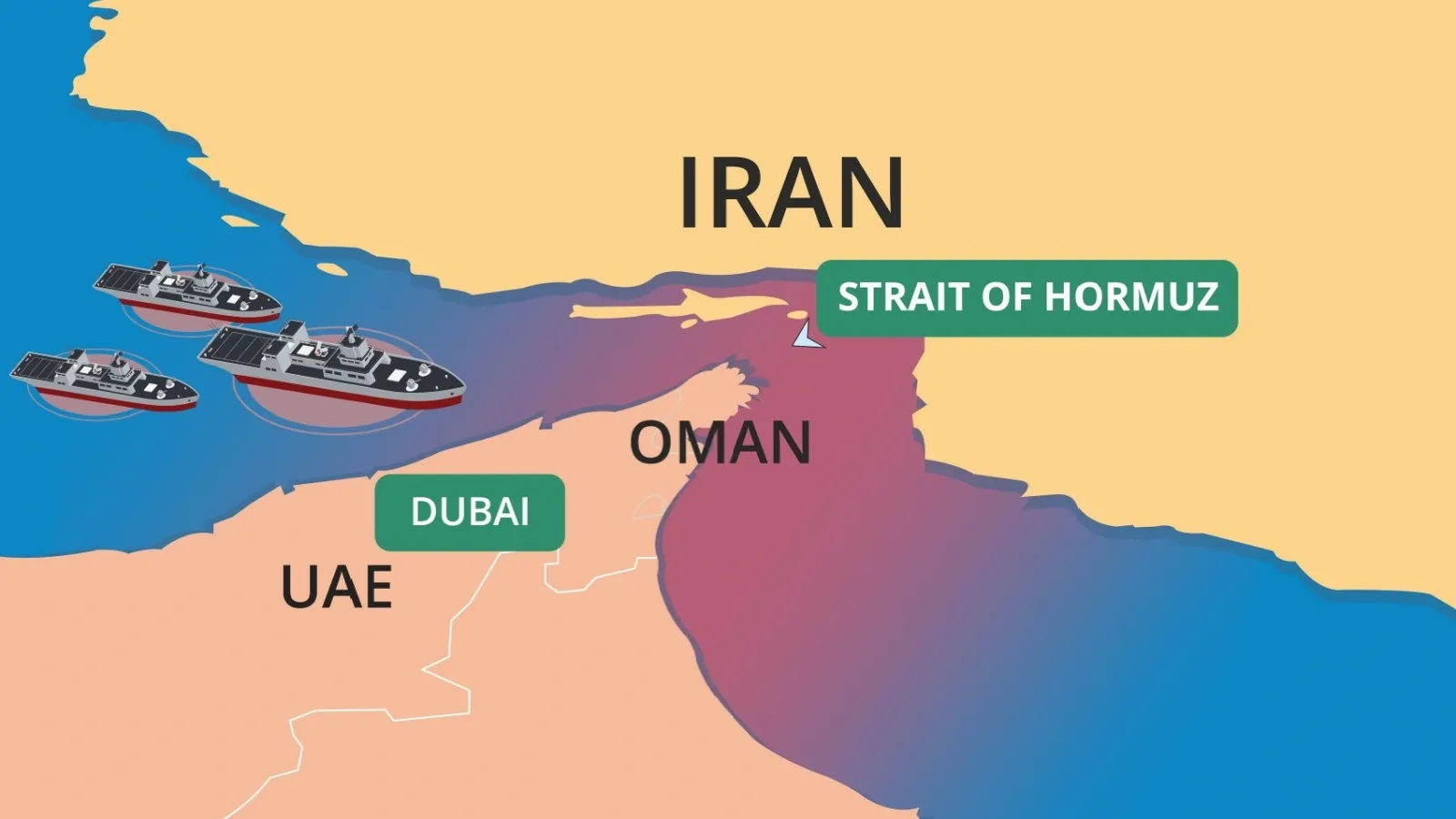
The diplomatic machinery designed to reopen the Strait of Hormuz has ground to a halt, derailed not by direct stalemates in Tehran or Washington, but by escalating kinetic friction hundreds of miles away in Yemen. When Omani intermediaries announced the postponement of high-stakes regional talks between Gulf Arab states and Iran, it exposed a fragile geopolitical architecture where localized flashpoints instantly override multilateral peace efforts.
For months, the narrow shipping lane has served as a central pressure point in the broader regional conflict, with Iranian restrictions and U.S.-led countermeasures trapping global energy supplies in a state of suspended animation. The scheduled summit in Muscat was supposed to provide a pragmatic forum to untangle these maritime blockades. Instead, a sudden surge in fighting along Yemen's Red Sea coast—marked by Houthi advances toward the Bab al-Mandeb strait and subsequent drone strikes targeting southern Saudi Arabia—forced an abrupt recalculation in Riyadh and other Gulf capitals. For a more detailed analysis into this area, we suggest: this related article.
The mechanics of this diplomatic breakdown highlight a recurring vulnerability in Middle Eastern security management. Regional powers cannot compartmentalize theaters of conflict. While Iranian officials publicly insist that Tehran bears no direct responsibility for the actions of allied groups in Yemen, neighboring monarchies view the security of the Bab al-Mandeb and the Strait of Hormuz as two halves of the same strategic equation. When the Houthis tighten their grip on Red Sea transit routes and launch projectiles across the Saudi border, trust evaporates. The resulting atmosphere makes concessions on oil shipping lanes politically untenable for Gulf governments that feel actively targeted on multiple fronts.
This interconnected vulnerability was laid bare when regional security tremors immediately translated into economic shocks. Energy markets reacted swiftly to the postponed talks and the closure of key infrastructure, driving Brent crude upward as traders priced in the prolonged containment of Gulf oil exports. Commercial shipping continues to bear the brunt of this volatility, navigating an environment where physical transit through vital choke points carries unprecedented insurance premiums and direct security risks. For further information on the matter, extensive reporting can also be found at USA Today.
Compounding the deadlock are competing narratives over who controls the diplomatic clock. While external actors push for rapid, comprehensive settlements to stabilize global supply chains, regional capitals are discovering that local military realities dictate terms far more effectively than ministerial communiques. As long as auxiliary fronts remain active and commercial vessels face kinetic threats from the Persian Gulf to the Red Sea, foundational talks concerning maritime access will remain hostage to ongoing hostilities.
Diplomacy in the region has rarely followed a linear path, but the latest collapse demonstrates that minor theaters can easily dismantle major peace initiatives. Until a comprehensive security framework addresses the periphery as forcefully as the core waterways, high-level summits will continue to postpone themselves into irrelevance.