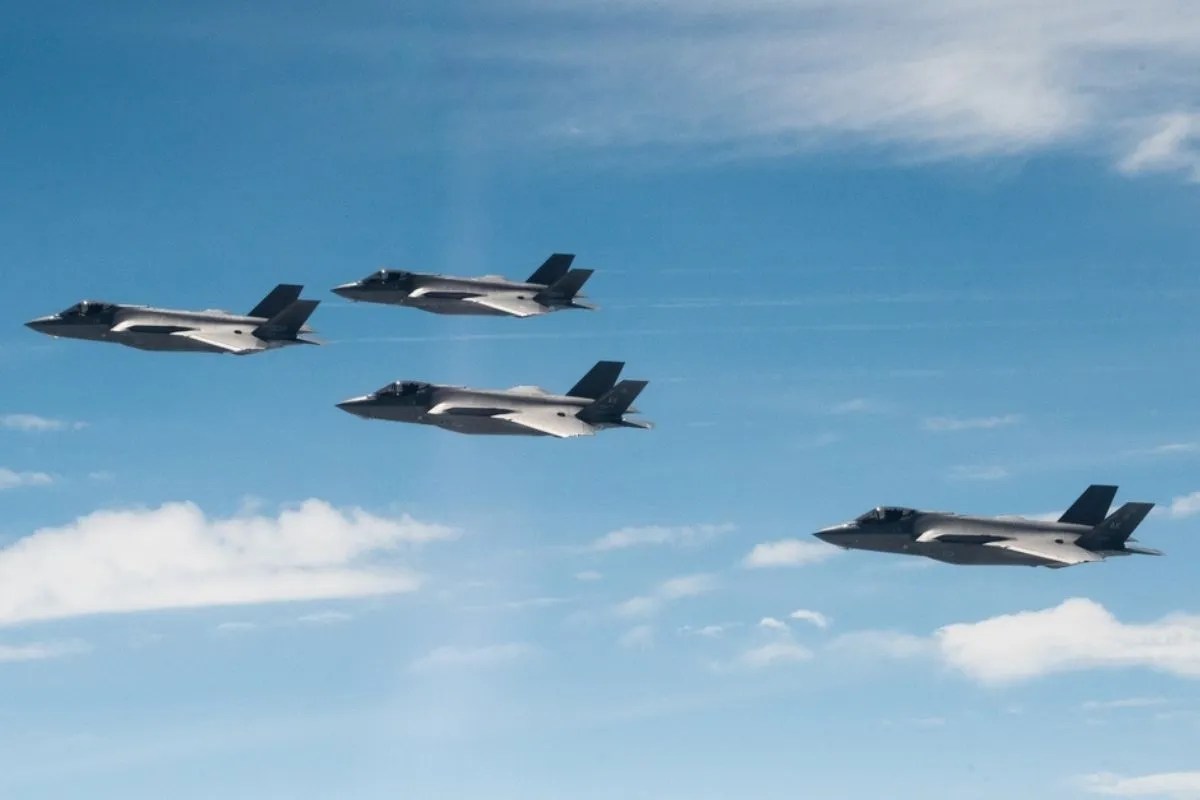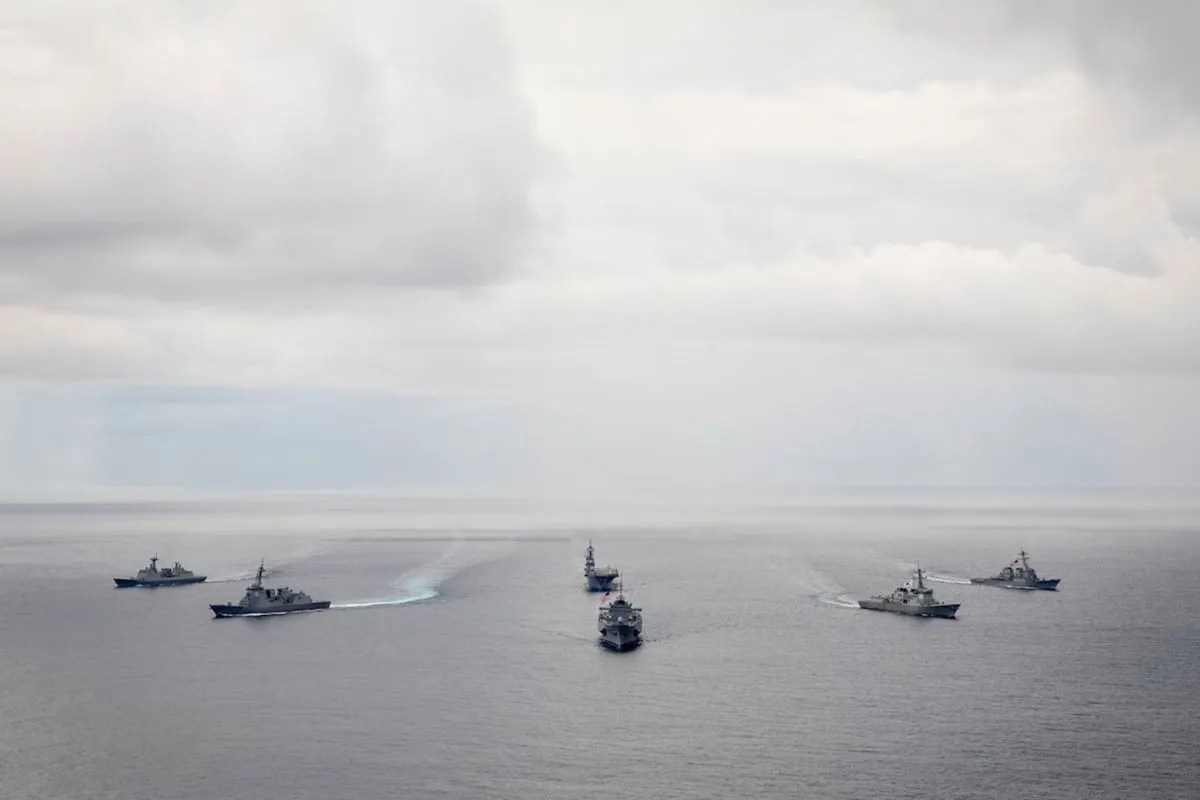
State-level signaling during multilateral defense drills follows a predictable structural loop. When Washington and Seoul execute combined maneuvers such as Freedom Shield or specialized nuclear integration exercises, Pyongyang responds through calibrated verbal escalation. This rhetorical posture is frequently mischaracterized in mainstream reporting as erratic posturing. Under rigorous strategic analysis, however, these warnings operate as functional deterrent inputs designed to raise the political and operational costs of allied military integration.
The core mechanism governing the Korean Peninsula security architecture is deterrence stability under extreme asymmetry. Pyongyang faces an alliance network possessing overwhelming conventional overmatch, advanced intelligence, surveillance, and reconnaissance capabilities, and extended nuclear deterrence guarantees. To counter this structural disadvantage, North Korean doctrine relies on preemptive threat inflation and rapid-escalation thresholds. By threatening the mobilization of all available war-fighting assets in response to perceived operational provocations, state planners attempt to compress the decision-making windows of opposing commanders. Learn more on a similar topic: this related article.
The Cost Function of Combined Exercises
Joint military exercises are categorized by defense planners as defensive readiness measures intended to validate interoperability and command-and-control efficiency. From the perspective of opposing strategic actors, however, these exercises function as force-on-force rehearsals with offensive utility. The integration of strategic assets—such as carrier strike groups, stealth tactical aircraft, and nuclear-capable strategic bombers—into regional deployment cycles alters the local balance of power.
When defense planners evaluate these drills, they calculate risk through three primary variables: Additional analysis by USA Today explores similar views on this issue.
- Proximity of deployment zones to sovereign borders.
- Inclusion of decapitation or high-value target strike simulations.
- Synchronization of conventional command structures with strategic nuclear command assets.
Each variable introduces friction into the security dilemma. As allied exercises scale in frequency and complexity, North Korean command structures register an increased probability of surprise attack initiation under the guise of training exercises. This operational paranoia explains the severity of the warnings issued by state media and high-ranking officials. The response is not merely diplomatic posturing; it is an active effort to enforce a psychological deterrent boundary that discourages allied forces from operating near sensitive maritime and air demarcations.
Threshold Dynamics and Preemptive Doctrine
Recent policy statements from Pyongyang emphasize a shift from reactive defense to proactive deterrence. This doctrinal evolution introduces significant volatility into crisis stability. Traditional deterrence theory relies on assured retaliation; modern North Korean doctrine increasingly incorporates early-use thresholds tied to perceived leadership threats or sovereignty violations during joint maneuvers.
The operationalization of this doctrine depends on decentralized command delegations and tactical nuclear weapons integration. By moving tactical warheads closer to forward-deployed units, military planners reduce the time required to transition from a defensive posture to active missile deployment. This structural change alters the mathematical equation of first-strike stability. When reaction times shrink to minutes, the margin for human or technical error widens dangerously.
An accidental radar misinterpretation, an unannounced maritime boundary crossing, or a high-speed aerial intercept during joint drills could trigger an automated or pre-delegated response chain. The primary risk of modern alliance exercises is therefore not a planned invasion, but a compressed escalation spiral driven by worst-case assumptions on both sides.
Information Warfare and Domestic Cohesion
Beyond military calculations, high-intensity rhetoric serves an internal political function. Authoritarian regimes facing chronic economic stagnation utilize external threat amplification to justify resource allocation toward military-industrial priorities. Framing joint exercises as existential threats reinforces the narrative of an encircled state requiring constant mobilization.
This domestic utility creates a locked-in feedback loop. Once state media establishes a high baseline of threat perception, leadership faces domestic political costs if it fails to respond aggressively to routine allied maneuvers. Consequently, every annual exercise cycle requires an escalating verbal and technical counter-response, locking the peninsula into a permanent state of high-tension equilibrium.
Strategic Forecast for Regional Security Architecture
Managing this escalating security dilemma requires a fundamental reassessment of crisis communication channels. Traditional diplomatic backchannels have atrophied, leaving military hotlines underutilized or inactive during periods of peak tension. Without functional de-escalation protocols, minor tactical friction points risk converting into systemic military crises.
Intelligence assessments must shift focus from counting missile inventories to analyzing the velocity of command-and-control activation protocols during allied drill windows. Defense planners should anticipate that future military exercises will be met with immediate counter-drills, live-fire coastal artillery deployments, and accelerated missile testing programs designed to demonstrate launch resilience. The stability of the region rests entirely on maintaining strict adherence to operational buffers and avoiding provocative deviations from established patrol boundaries.