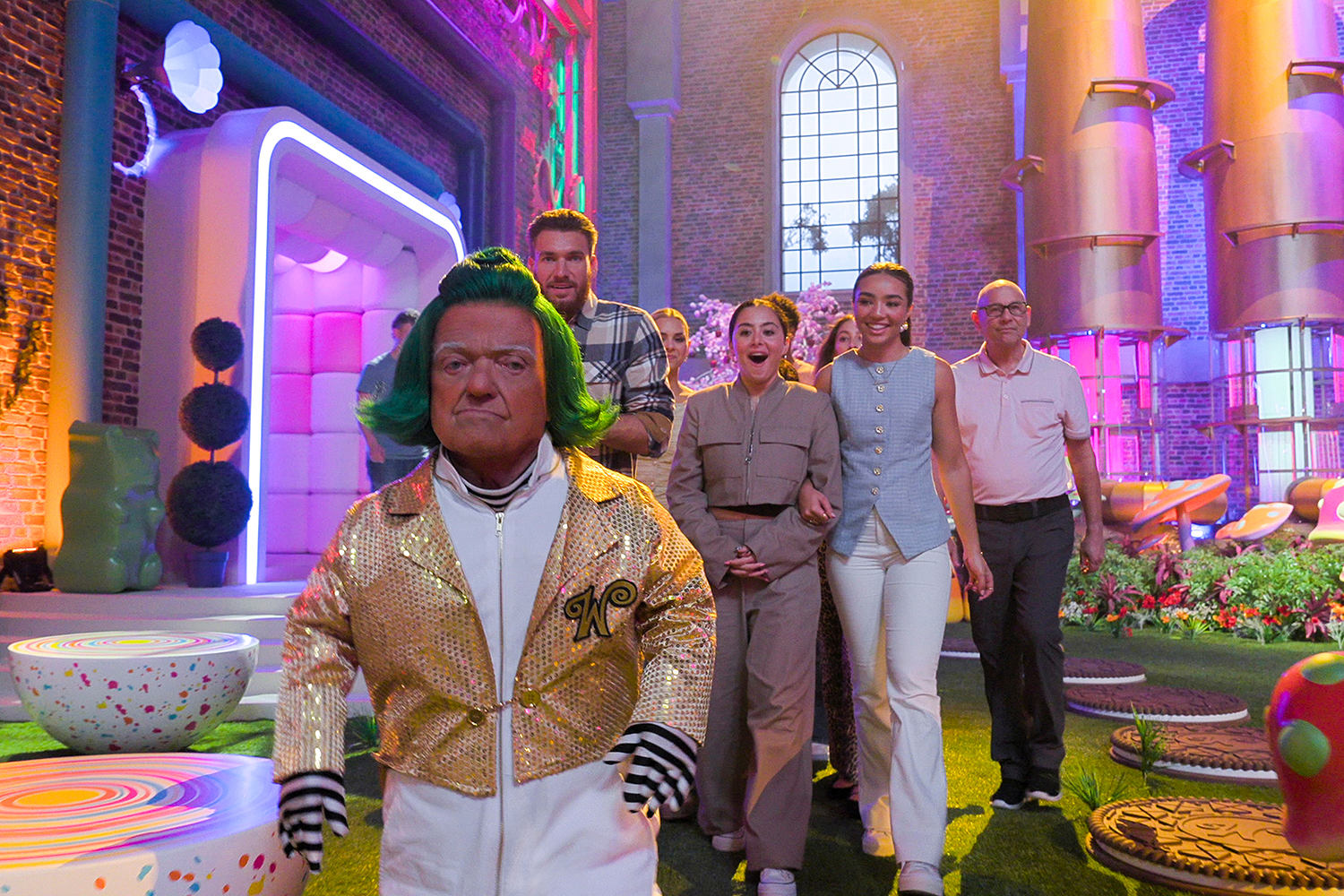
The internet loves a good trainwreck. Long before executives in streaming boardrooms started weaponizing nostalgia as a substitute for original thought, audiences were already primed to consume collective outrage like fast food. But when Netflix decided to blur the line between scripted intellectual property and unscripted human behavior, they crossed a threshold that transformed mere marketing into an anthropological cautionary tale.
Consider the modern cultural appetite. We live in an ecosystem where suffering, confusion, and manufactured desperation are monetized into engagement metrics. When the streaming giant floated the concept of turning Roald Dahl's fever-dream confectionery empire into a living, breathing social experiment, they were not just trying to market a film. They were testing the structural integrity of modern attention spans.
The strategy was simple on paper. Take a universally recognized piece of intellectual property, inject real people into a controlled environment designed to evoke childhood wonder, and observe the friction when corporate aspirations collide with messy human reality. Yet, the execution laid bare a deeper cultural exhaustion. Audiences no longer want passive entertainment. They want gladiatorial spectacles where the contestants are everyday citizens caught in the gears of multi-billion-dollar marketing machines.
Industry analysts spent weeks dissecting the metrics, missing the forest for the trees. The real story was never about the physical production design or the logistical missteps that turned a whimsical playground into a meme factory. The story is about how easily corporate entities can manipulate public curiosity by exploiting our collective desire for authenticity in an entirely synthetic world.
Look closely at how reality television evolved over the past two decades. We graduated from structured competition shows to psychological pressure cookers where cruelty is rebranded as strategy. By applying this framework to a beloved children's story, the producers created an accidental mirror reflecting the darkest impulses of modern media consumption. We tuned in not because we wanted to see dreams come true, but because we wanted to watch the machinery break down.
When participants walked into that engineered wonderland, they were stepping onto a stage designed by algorithms. Every camera angle, every artificial obstacle, and every contrived dilemma was optimized for social media virality. The factory was never a tribute to imagination. It was a testing ground for algorithmic engagement, measuring how much frustration a viewer will tolerate before sharing the clip with a sneering caption.
This dynamic reveals a fundamental shift in how entertainment companies value their audiences. Trust has been replaced by calculated provocation. If an experience is pleasant and straightforward, nobody talks about it. If it falls apart in a spectacular, cringe-inducing fashion, it trends globally for forty-eight hours. The economy of attention rewards dysfunction over quality every single time.
Behind the glossy press releases and executive memos lies a tired formula. Studios acquire classic properties, strip away their emotional resonance, and refashion them into content mills designed to dominate the news cycle for a weekend. The Willy Wonka social experiment was the logical endpoint of this philosophy. When you treat culture as disposable content, you eventually run out of substance and are left with empty sets and confused participants.
We must ask ourselves what this says about the consumer. Are we complicit in this descent? Every time we click on a viral disaster, every time we amplify a moment of manufactured humiliation, we vote for more of the same. The streaming executives are merely giving the market what its behavior demands, even if our stated preferences say otherwise.
The fallout from this experiment extends far beyond a single corporate miscalculation. It signals a fatigue point in the current media landscape. Audiences are growing increasingly adept at spotting the strings behind the curtain, yet they remain trapped in the cycle of cynical consumption. We watch because we cannot look away from the trainwreck, even as we recognize the tracks were greased by design.
Fixing this requires a fundamental rejection of algorithmic manipulation on both sides of the screen. Creators need to realize that shock value has a steep diminishing return, and viewers need to starve the beast of casual outrage. Until that happens, the factories will keep churning out spectacles designed not to inspire wonder, but to harvest our collective attention before discarding the wreckage.


