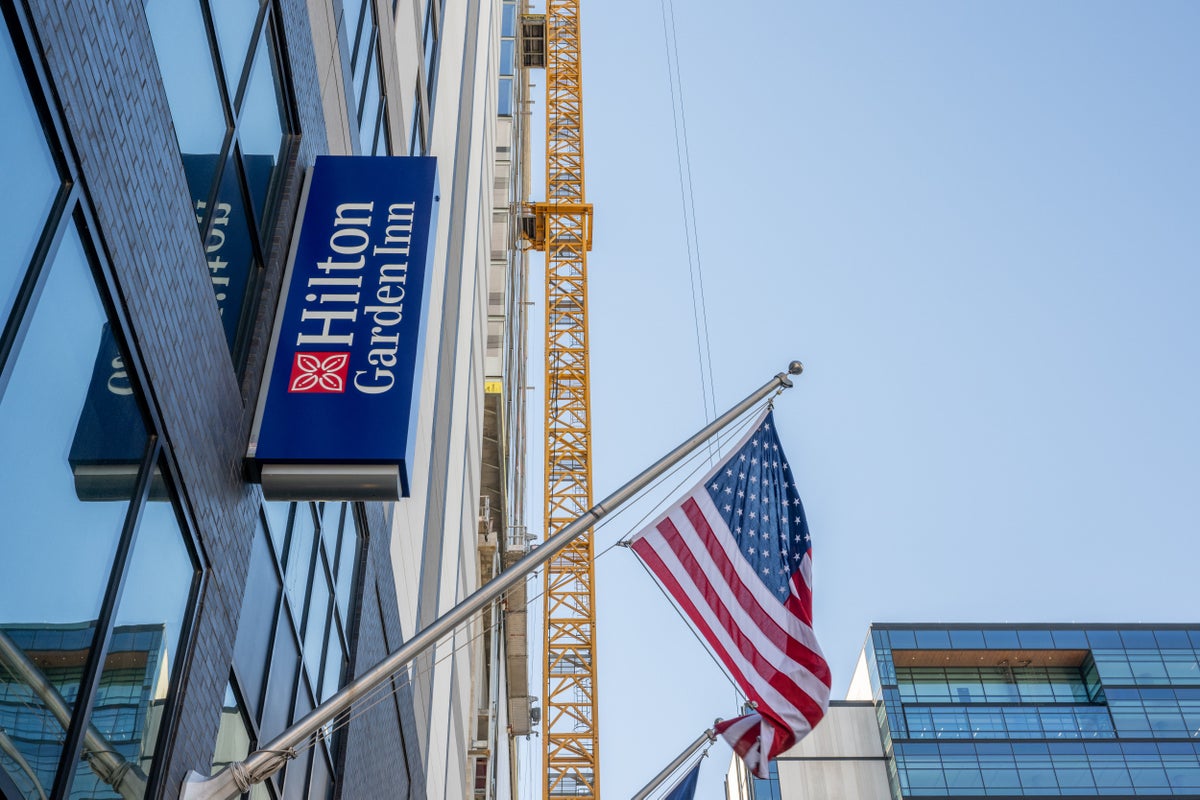
The convergence of explosive compute demand and the structural oversupply of mid-scale hospitality real estate has generated an unconventional real estate play. Operators are acquiring distressed roadside hotels, extended-stay properties, and suburban motels to redevelop them into edge data centers. While mainstream coverage frames this trend through a lens of aesthetic degradation or speculative mania, the reality is a cold exercise in structural arbitrage. Converting these assets is not a casual aesthetic makeover; it is an exercise in repurposing localized real estate to capture low-latency compute revenue where traditional greenfield development faces insurmountable zoning and transmission bottlenecks.
Evaluating this shift requires moving past sensational headlines to deconstruct the operational mechanics, economic constraints, and structural limitations driving the trend. The transformation of a hospitality asset into a modular data facility involves distinct economic tradeoffs across power procurement, structural load-bearing capacity, zoning friction, and latency optimization.
The Economic Drivers of Hospitality-to-Compute Conversions
The primary catalyst for converting hospitality assets into computational nodes is not the physical architecture of a hotel room, but the land-use rights, existing grid interconnection points, and speed-to-market advantages embedded within commercial real estate. Traditional greenfield data center development faces protracted development cycles. Acquiring raw land, securing greenfield transmission queue positions, navigating environmental impact reviews, and completing municipal zoning approvals routinely requires three to seven years.
By contrast, distressed hotels offer a pre-existing land footprint with established utility easements. Even though a hotel's electrical infrastructure is entirely unsuited for high-density server racks without substantial overhaul, the property often sits adjacent to commercial power distribution corridors or municipal fiber rings.
The Cost Function of Speed Versus Greenfield Construction
In high-demand tier-one and tier-two markets, time-to-market is the dominant variable in capturing enterprise cloud and edge workloads. Every month a facility sits unbuilt in a constrained market represents foregone revenue that can exceed millions of dollars per megawatt of planned capacity.
Acquiring a distressed hotel at a discount to replacement cost provides immediate control over a zoned parcel. However, the capital expenditure required to retrofit the asset introduces a complex cost function. The financial model relies on weighing three distinct variables:
- Demolition Versus Retention: Retaining the concrete slab, exterior shell, and compartmentalized room walls can reduce structural capital expenditures, but it imposes severe constraints on clear heights and floor-load capacities.
- Electrical Interconnection Speed: The primary asset of a hotel property is its existing utility service drop. While inadequate for enterprise workloads, securing an upgrade on an existing commercial meter often bypasses the multi-year queue times required for entirely new substation allocations.
- Fiber Proximity: Hospitality properties located near major highway interchanges or suburban commercial arteries frequently intersect regional fiber backbones, eliminating the capital cost of long-haul dark fiber extensions.
Structural and Engineering Constraints
Viewing hotel buildings as modular containers for servers ignores the fundamental mismatch between hospitality architecture and industrial compute specifications. A standard hotel is engineered for human occupancy, which imposes entirely different physical constraints than those required by heavy enterprise hardware.
Floor-Load Limitations
Traditional hospitality construction typically utilizes wood-frame, light-gauge steel, or post-tensioned concrete slab designs rated for live loads of approximately 40 to 50 pounds per square foot. High-density server racks, power distribution units, and localized battery backup systems exert point loads and uniform live loads that can exceed 150 to 250 pounds per square foot.
Retrofitting a multi-story hotel to support this weight profile requires radical structural intervention. Operators must selectively core slabs, install supplemental structural steel shoring, or restrict heavy compute infrastructure to ground-floor levels where slab-on-grade construction can absorb the load without catastrophic failure.
Thermal Management and Airflow Dynamics
Hotels are designed with decentralized HVAC topologies—typically through-the-wall packaged terminal air conditioners or split systems tailored to variable human occupancy loads. Data centers demand hyper-dense, continuous, and highly controlled thermal management systems to maintain optimal operating temperatures and prevent thermal throttling or hardware degradation.
The compartmentalized nature of a hotel layout, divided into dozens of individual rooms separated by fire-rated drywall partitions, actively fights against efficient airflow management. Achieving a proper hot-aisle and cold-aisle containment strategy requires gutting interior partition walls, reinforcing ceiling plenums for heavy ductwork or overhead liquid cooling distribution lines, and installing industrial-grade chiller plants on the exterior perimeter where parking lots or courtyards once stood.
The Regulatory and Zoning Friction Matrix
Municipalities frequently welcome the initial tax-base stabilization promised by distressed asset conversions, but local zoning boards quickly encounter friction when evaluating industrial compute facilities within commercial or hospitality zoning overlays.
A data center does not generate meaningful local employment relative to its capital footprint. While a 200-room hotel might employ fifty to eighty workers across housekeeping, front desk, and management, a converted edge facility of equivalent footprint may operate with a skeleton crew of three technicians and remote monitoring systems. Consequently, municipal leadership often resists zoning variances that convert job-producing commercial real estate into passive, automated industrial infrastructure.
Acoustic and Environmental Externalities
Edge data centers generate persistent, low-frequency acoustic signatures driven by industrial chillers, backup diesel generators, and high-volume cooling fans. In suburban or mixed-use commercial corridors where hotels typically reside, municipal noise ordinances impose strict decibel limits at property lines. Mitigating these externalities requires substantial capital expenditure on acoustic louvers, masonry sound walls, and specialized enclosure engineering.
Furthermore, the integration of mandatory backup power systems introduces environmental regulatory hurdles. Permitting multi-megawatt diesel generator sets requires navigating local air quality management district rules regarding runtime hours, emissions offsets, and fuel storage containment regulations.
Strategic Operational Risks
Deploying capital into hospitality conversions carries acute execution risks that differ fundamentally from traditional commercial real estate development.
- Undisclosed Structural Degradation: Distressed assets frequently suffer from deferred maintenance, moisture infiltration, and sub-optimal plumbing configurations that complicate slab coring and infrastructure routing.
- Stranded Capital Expenditures: If local utility providers ultimately deny a requested electrical capacity upgrade after acquisition, the investor is left holding an obsolete commercial asset with specialized, non-recoverable demolition costs.
- Obsolescence of Edge Topologies: As micro-modular data center designs evolve, proximity to urban centers can sometimes be superseded by advancements in wireless transmission efficiency and decentralized enterprise architectures, compressing the long-term yield profile of repurposed real estate.
Capturing value in this niche requires rigorous site selection, highly specialized engineering due diligence, and a clear understanding of local utility interconnection dynamics. The strategy succeeds only when the friction of retrofitting is lower than the economic penalty of waiting for greenfield development.
Deploy immediate capital toward sites possessing existing high-capacity medium-voltage feeds and pre-cleared industrial zoning overlays, while avoiding multi-story assets where floor-load remediation costs exceed the replacement cost of a modular pre-fabricated landing pad.