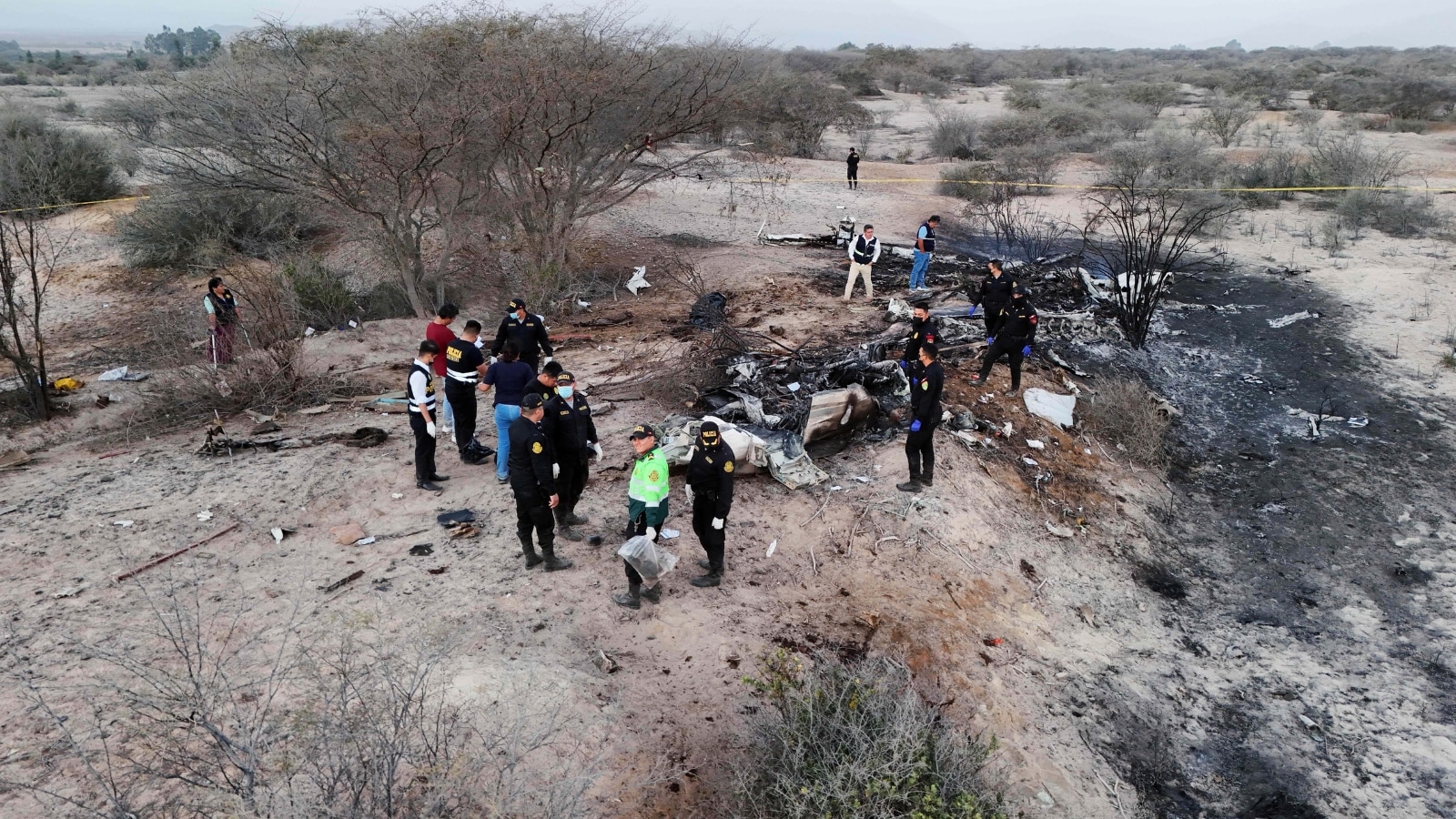
The crash of a tourist aircraft over the Nazca Lines in Peru, resulting in thirteen fatalities including European visitors, the pilot, and the co-pilot, exposes a chronic systemic failure in the operational oversight of high-risk niche aviation. Sightseeing flights operating in remote archaeological zones are subjected to distinct environmental and mechanical pressures that traditional commercial aviation frameworks fail to capture. When an incident of this magnitude occurs, public discourse typically fixards on pilot error or immediate mechanical failure. This approach mistakes symptoms for root causes. To understand why light aircraft continuously fail in specialized tourism corridors, the systemic vulnerabilities must be mapped across three distinct vectors: regulatory enforcement asymmetries, aerodynamic constraints of low-altitude visual flight rules, and the economic incentives driving high-tempo operational strain.
The Economic Mechanics of Sightseeing Corridors
The commercial viability of Nazca Line aerial tours depends entirely on turn rates and payload optimization. Operators face a narrow window of optimal weather conditions, typically early morning before thermal winds destabilize the desert plateau. This creates an artificial compression of demand. Operators must maximize flight frequency within a constrained diurnal window to achieve profitability.
Operating under these conditions alters the risk calculus for individual firms. The marginal cost of grounding an aircraft for unscheduled maintenance is immediate and high, whereas the probabilistic cost of a catastrophic regulatory audit is deferred and opaque. This asymmetry incentivizes operators to push maintenance thresholds to their legal limits and fly marginal weather days that demand peak pilot concentration.
When analyzing fleet safety in regional tourism hubs, three economic drivers dictate operational risk:
- Fixed capital depreciation of aging airframes, leading to extended service intervals.
- Variable labor costs that attract low-time pilots using regional operations as stepping stones to major carriers.
- High fuel price sensitivity that encourages payloads pushed to maximum gross takeoff weights.
These economic pressures manifest directly in the cockpit. A pilot managing a Cessna or similar utility aircraft over shifting desert sands is executing high-frequency banking maneuvers at low altitudes to satisfy passenger viewing angles on both sides of the cabin. This flight profile requires continuous micro-corrections, elevating cognitive load far beyond standard point-to-point transit flying.
Aerodynamic and Environmental Constraints
Low-altitude visual flight rules operations over desert terrain present severe aerodynamic hazards that are frequently underestimated in standard training curricula. The Nazca plateau is characterized by intense solar radiation that generates severe thermals and mechanical turbulence as wind interacts with arid ridges and ancient arroyos.
Aircraft executing tight, low-altitude banks to afford tourists a downward view of the geoglyphs operate dangerously close to their stall speeds, particularly when loaded to maximum capacity with passengers and fuel. The margin for error is measured in knots and feet. A sudden downdraft or localized wind shear encountered below five hundred feet leaves insufficient altitude for recovery if the aircraft is in an uncoordinated turn.
The operational environment compounds these physical risks:
- Visual monotony: Flying over featureless desert terrain induces spatial disorientation and visual fatigue, degrading a pilot's ability to maintain a reliable horizon.
- Thermal density variations: Rapid changes in ambient temperature alter air density unpredictably, causing sudden altitude loss without a corresponding change in indicated airspeed.
- Surface reflection: High glare off light-colored desert soils impairs depth perception, distorting the pilot's estimation of absolute height above ground level.
Traditional aviation safety models assume a cruise phase where corrective action can be taken over minutes. Sightseeing operations compress the decision loop to seconds. When a structural or environmental anomaly occurs at low altitude, the physics of the flight envelope eliminate recovery options.
Regulatory Enforcement Gaps
Aviation safety oversight relies on a tiered enforcement model that breaks down in developing regional tourism markets. International bodies set broad airworthiness standards, national civil aviation authorities enact local regulations, and regional inspectors enforce compliance on the ground. In practice, regional inspectors often face resource constraints, political pressure to protect local tourism revenue, and technical blind spots regarding specialized low-level tour operations.
The regulatory framework governing light aircraft tours often treats them as general aviation rather than commercial air transport, despite the passengers being paying customers. This classification creates a dangerous loophole in safety management systems, mandatory reporting requirements, and pilot duty-hour tracking.
To isolate the regulatory vulnerabilities, investigators must evaluate three distinct systemic failures:
- Oversight latency: The time lag between identifying recurring safety deviations and implementing mandatory operational restrictions.
- Component tracking opacity: The ease with which operators can obscure maintenance histories or utilize uncertified replacement parts in non-regulated maintenance facilities.
- Qualification thresholds: The disparity between the baseline licensing requirements for visual flight rules touring pilots and the actual tactical competence required to handle micro-weather anomalies in desert canyons and plateaus.
When an investigation focuses solely on the immediate causal chain of a single crash, it protects the broader structural status quo. Regulatory bodies issue temporary groundings or recommend procedural updates that fail to address the underlying economic and operational pressures forcing pilots into high-risk profiles.
The Mandate for Operational Redesign
Mitigating future disasters in specialized aviation corridors requires abandoning voluntary compliance models and replacing them with mandatory structural redundancies. Operators within high-density tourist flight zones must be compelled to transition from basic visual flight rules to integrated flight data monitoring systems that record altitude, bank angle, and engine parameters in real time.
Furthermore, the economic model of tourism aviation must internalize the true cost of safety. If payload restrictions and mandatory maintenance intervals render low-altitude scenic flights economically unviable under current pricing structures, the market must correct through tariff adjustments rather than safety compromises.
The immediate strategic priority for aviation authorities overseeing the Nazca corridor and similar regional tourism zones is the implementation of mandatory digital flight tracking and independent third-party safety audits that bypass local political interference. Until oversight mechanisms match the specific operational hazards of low-altitude tourism, these corridors will remain vulnerable to the compounding effects of economic pressure, environmental severity, and regulatory inertia.