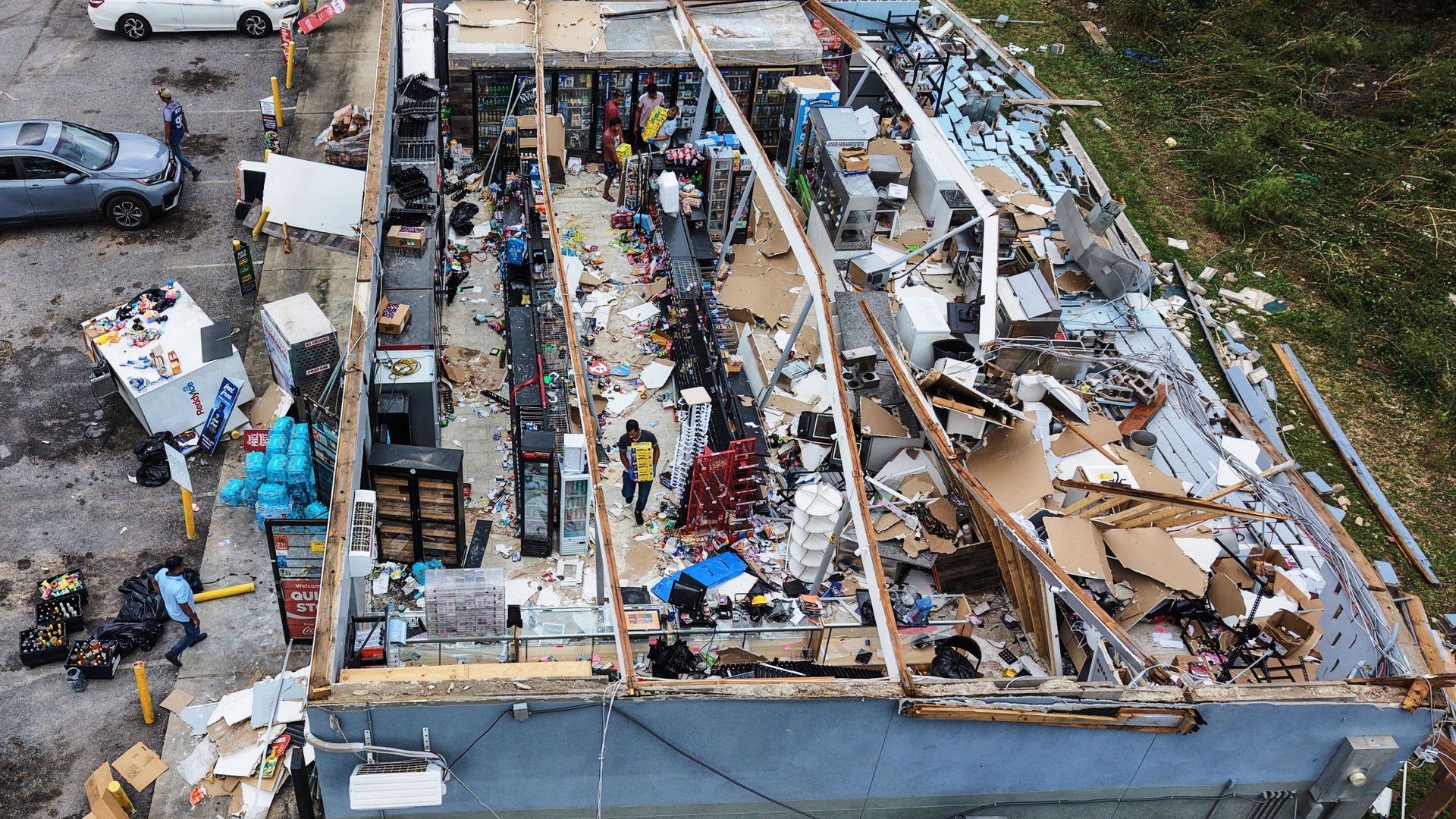
The operational friction exposed during high-intensity meteorological events reveals a systemic vulnerability in coastal preparedness and regional energy grids. When severe convective systems transition rapidly from open-water development phases to acute coastal impact, standard crisis management models consistently experience compounding latency failures. Evaluating these operational breakdowns requires examining the physical, infrastructural, and procedural variables that dictate regional recovery curves.
The Mechanics of Grid Vulnerability and Load Shedding
The immediate parameter of disruption in any coastal meteorological event is the structural integrity of local electrical distribution networks. When sustained wind velocities breach distribution thresholds, wooden utility poles and overhead lines suffer catastrophic mechanical failure. The resulting load shedding is not merely a binary outage state, but a cascading failure cascade across dependent infrastructure.
Wind Velocity Spike -> Overhead Line Rupture -> Substation Trip -> Multi-Sector Load Shedding
In the aftermath of recent Gulf Coast impacts, distribution outages routinely affected hundreds of thousands of residential and commercial consumers simultaneously. The recovery cost function is dictated by resource allocation velocity. Utilities operate on a triage framework where transmission lines supplying critical services take priority over localized distribution drops. This creates a protracted tail in recovery curves for end-users, extending downtime well beyond the active meteorological window.
Secondary Mortality Vectors and Operational Failure Modes
A critical analytical blind spot in standard reporting is the categorization of mortality associated with tropical systems. While direct wind and surge trauma account for initial casualty figures, secondary mortality vectors often outpace direct impacts during the immediate post-landfall phase. These vectors cluster into two distinct operational failures:
- Inappropriate Energy Substitution: The loss of grid stability triggers immediate reliance on internal combustion portable generators. When deployed within confined structural perimeters without adequate ventilation, the accumulation of carbon monoxide creates a lethal hazard profile.
- Structural Collapses Post-Landfall: Heavy localized precipitation saturates regional soil composition, reducing the root anchorage of mature canopy trees. The subsequent structural failure of these trees onto residential envelopes represents a primary vector for blunt-force trauma fatalities hours after peak wind profiles have passed.
Mitigating these secondary mortality vectors requires real-time public messaging shifts that account for behavioral adaptation failures. Citizens frequently underestimate structural vulnerability once eye-wall parameters subside, leading to fatal exposure during clean-up and recovery operations.
Macroeconomic Pressures and Supply Chain Elasticity
Meteorological landfalls of this magnitude introduce systemic shocks to regional commodity flows, particularly within energy extraction and refining sectors. Offshore platform evacuations temporarily suppress baseline hydrocarbon production, forcing federal oversight bodies to adjust supply equilibria through strategic reserve deployment.
The financial loss function is driven by insured property damage and municipal debris management overhead. As reconstruction demands spike regional construction labor and material costs, local insurance markets experience severe liquidity compression. Reinsurance premiums adjust upward following each catastrophic event, systematically pricing high-risk coastal zones out of sustainable coverage tiers.
To optimize future disaster response frameworks, municipal planning must move away from reactive recovery models and adopt predictive structural hardening protocols. Upgrading underground distribution cabling, enforcing stricter vegetative clearance zones around transmission corridors, and establishing decentralized micro-grid redundancies are the primary variables required to flatten the post-landfall disruption curve.


