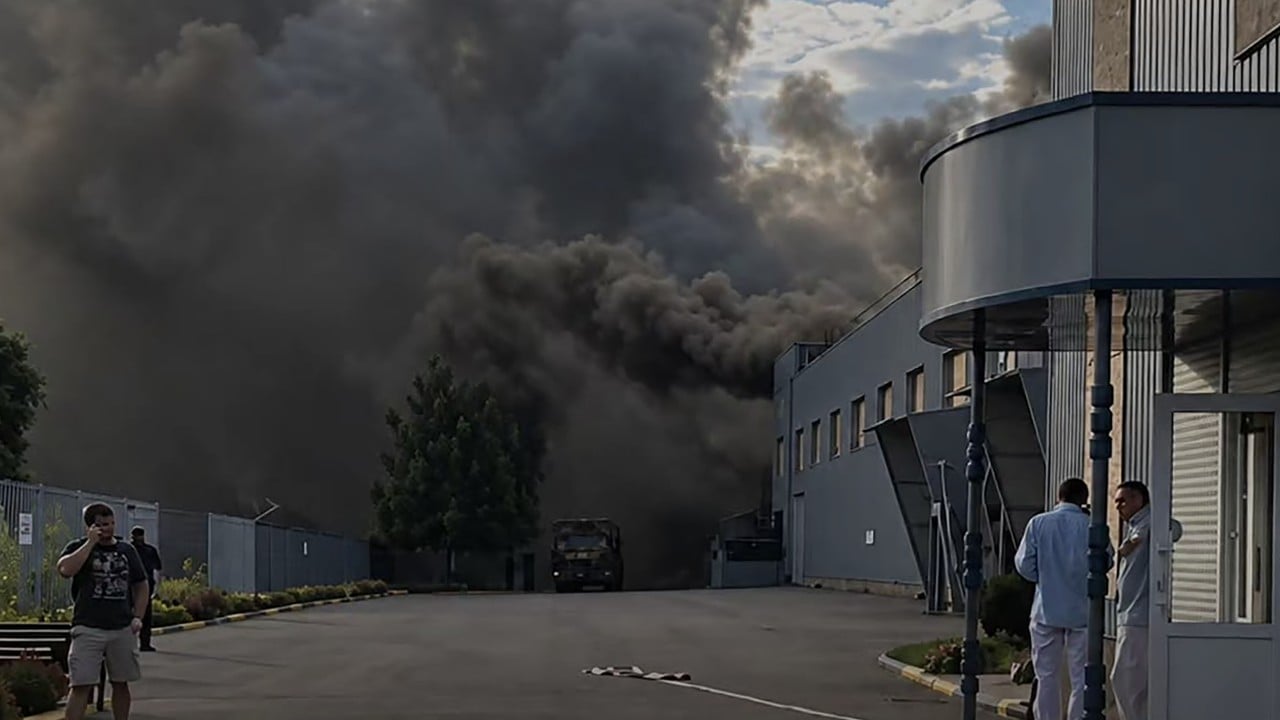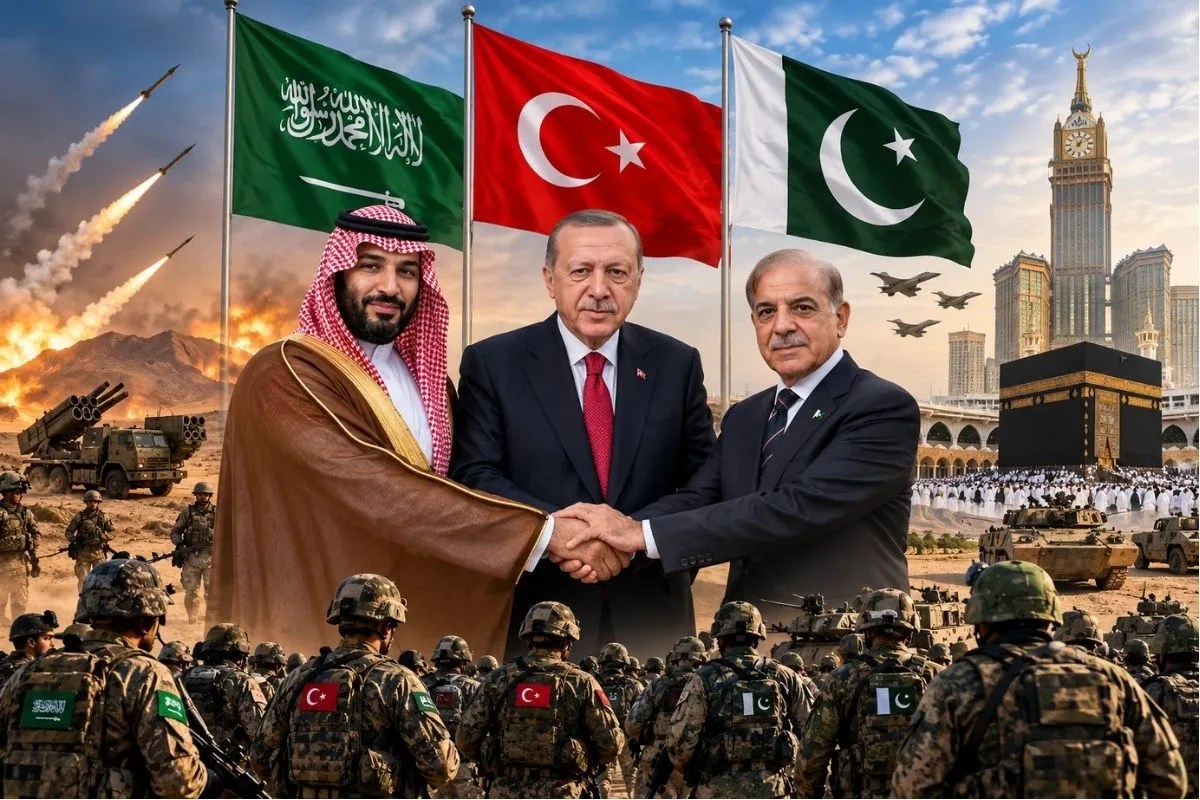
The operational architecture of Middle Eastern security is undergoing a fundamental structural transition, catalyzed by escalating asymmetric threats from Houthi forces targeting critical infrastructure within the Kingdom of Saudi Arabia. The formal operationalization of the Mecca Joint Defense Alliance—a tripartite security framework linking Saudi Arabia, Türkiye, and Pakistan—represents an institutional shift from bilateral security dependencies toward an indigenous, multilateral deterrence model. This framework moves beyond rhetorical solidarity, establishing a mechanism for collective defense where an operational breach against one sovereign state triggers mutual obligations.
To understand the operational imperatives driving this alliance, one must examine the cost function of asymmetrical warfare in the southern Arabian Peninsula. Persistent projectile and drone interdictions directed at vital energy installations, municipal utility nodes, and aviation hubs impose disproportionate economic and strategic overheads on Riyadh. Traditional western security guarantees have proven increasingly elastic, subject to domestic political cycles and shifting foreign policy priorities in Washington. Consequently, Saudi statecraft has pivoted toward structural diversification, seeking military-technological integration with regional powers possessing distinct asymmetric and conventional force projection capabilities. You might also find this similar coverage insightful: The Quiet Diplomacy That Could End a War.
The functional contribution of Türkiye within this security matrix centers on advanced defense manufacturing, electronic warfare systems, and tactical drone integration. Turkish military doctrine, tested across multiple regional theaters, offers high-utility solutions for counter-unmanned aerial systems operations and persistent intelligence, surveillance, and reconnaissance missions. By incorporating Turkish technological assets into the domestic grid, Riyadh minimizes its exposure to supply-chain bottlenecks associated with traditional Western defense procurement.
Concurrently, Pakistan provides strategic depth and large-scale conventional personnel reserves. The integration of Pakistani military capabilities operationalizes the alliance’s deterrence posture by institutionalizing joint training regimens, intelligence-sharing frameworks, and rapid-deployment protocols. The structural linkage between Riyadh's financial capital and Islamabad's manpower creates a reciprocal balance, addressing Pakistan's macroeconomic vulnerabilities while satisfying Saudi Arabia's requirement for experienced operational personnel to safeguard sensitive sovereign perimeters. As discussed in detailed articles by Reuters, the implications are widespread.
The institutionalization of this alliance followed a precise legislative and diplomatic trajectory through late 2026. Following high-level strategic summits in Jeddah, formal ratifications proceeded through the legislative bodies of all three participating nations—culminating in parliamentary and executive approvals in Riyadh, Islamabad, and Ankara. Article-level mechanisms within the pact stipulate that operational integration must encompass joint command structures, standardized communications protocols, and synchronized air defense architecture.
This tripartite coalition introduces complex signaling dynamics to external actors, particularly Tehran and its regional proxies. By institutionalizing a collective defense umbrella, the alliance attempts to raise the strategic threshold for cross-border provocations. However, operationalizing such a diverse coalition involves institutional friction. Diverging strategic cultures, distinct chains of command, and competing foreign policy objectives among Riyadh, Ankara, and Islamabad require continuous diplomatic calibration to prevent operational gridlock.
The immediate trajectory of the Mecca Defense Alliance depends on its ability to transition from a legislative instrument into a functional operational command. Intelligence integration and joint air defense shielding must be deployed rapidly across vulnerable sectors to neutralize ongoing projectile threats. The long-term viability of this security architecture rests on sustained fiscal commitment, technological interoperability, and the establishment of a unified permanent secretariat capable of managing crisis responses without relying on external mediation.