The air smelled of ash and old dust long before the first sirens split the heavy midday heat.
On a Tuesday afternoon in July, the thermometer on the taverna wall in Kiotari clicked past forty-two degrees Celsius. Cicadas screamed in the olive trees, a frantic, electric vibration that usually soundtracked afternoon naps and clinking glasses of iced ouzo. But today, nobody was sleeping. The horizon toward the hills had stopped being blue. It was bruised a deep, menacing purple, bruised by a towering pillar of smoke that blotted out the sun and turned the Mediterranean light the color of a wet copper coin.
Vacations are fragile constructs. We pack them with months of anticipation, financial sacrifices, and a desperate, quiet hunger for rest. We buy the linen shirts, download the offline maps, and practice pronouncing parakalo with a polite, nervous smile. We trust the brochures. We trust the promise of an azure eternity where the only decision is whether to have grilled octopus or stuffed tomatoes for dinner.
Then the wind shifts.
Thousands of tourists found themselves staring at that shifting horizon during the severe Greek wildfires at the height of the summer holiday season. For travelers on islands like Rhodes, Corfu, and Evia, the transition from leisure to survival happened in minutes. One moment you are floating in crystal-clear water, sunscreen slick on your skin; the next, you are clutching a passport and a hotel room key card, walking down a smoke-choked highway behind thousands of strangers.
Consider what happens next. The abstraction of a headline—"Greek wildfires force tourists to flee resorts"—dissolves the moment you meet Elena.
Elena, a hypothetical traveler whose experience mirrors hundreds of real accounts from that harrowing week, had checked into a sprawling all-inclusive resort on the eastern coast of Rhodes just forty-eight hours earlier. She had left behind a grueling tax season in Manchester and two children who had outgrown their school shoes. She wanted silence. She wanted the sound of waves.
At three o'clock, the hotel public address system crackled to life. The announcement was calm, almost too calm, delivered in three languages: guests were requested to gather in the main lobby with their essential belongings.
No panic. At first.
Outside, the wind was howling from the west, a furnace draft that sucked the moisture right out of your lungs. The fire was no longer a distant ridge line; it was a living thing leaping down the dry scrubland, feeding on pine needles and abandoned olive groves. When the power grid failed, the air conditioning died instantly, and the lobby transformed from a cool sanctuary into a humid, murmuring holding pen.
This is where the true anatomy of a crisis reveals itself. It is not found in the official government briefings or the evening news broadcasts. It is found in the small, agonizing choices of ordinary people. Do you leave your heavy suitcase behind to save precious seconds? Do you trust the hotel staff who are running on zero sleep, or do you listen to the rumors spreading wildly through WhatsApp groups?
Elena left her suitcase. She grabbed her handbag, her passport, a bottle of warm water, and her phone, which was already flashing a thirty percent battery warning.
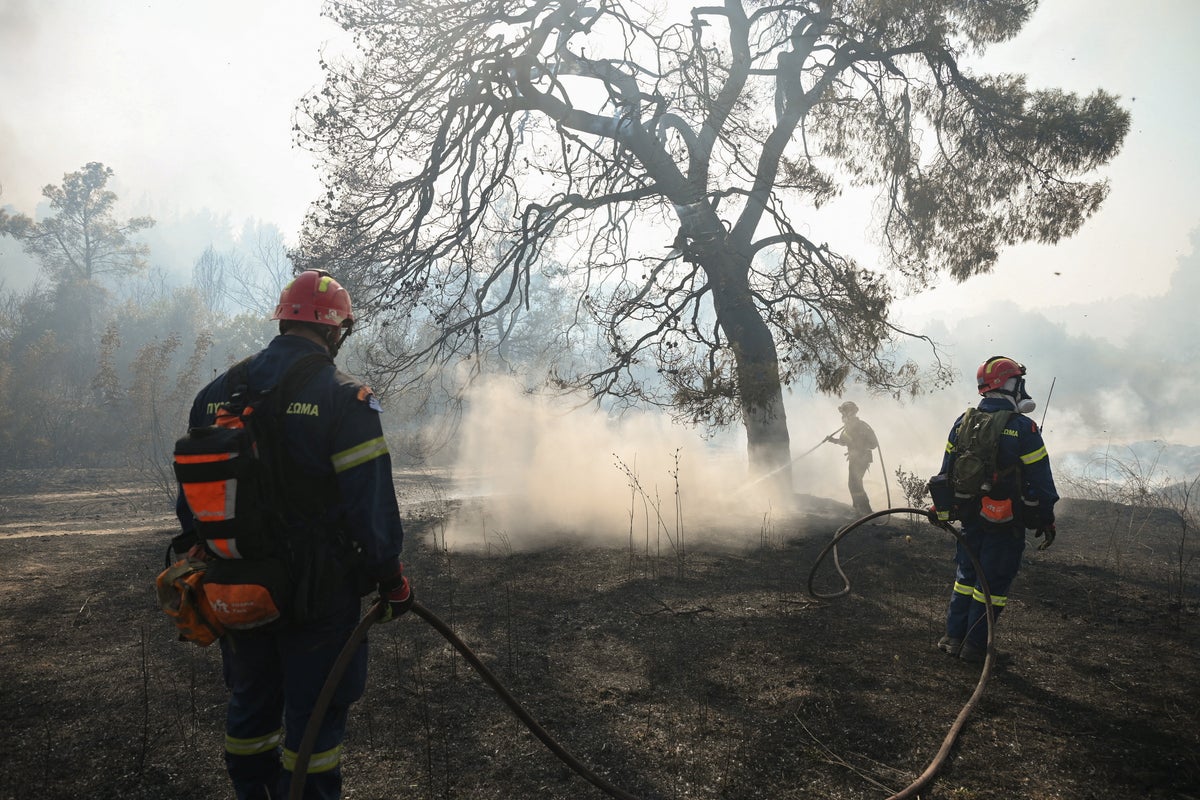
Evacuating twenty thousand people from a tourist corridor is a logistical nightmare that defies simple management. Roads clogged instantly. Tour buses, local taxis, rental cars, and flatbed trucks formed a sluggish, honking caterpillar creeping toward the southern beaches. Overhead, water-dropping aircraft roared low enough to rattle the teeth, dipping into the sea and banking hard toward the hills, trailing silver cascades that vanished into the smoke before they even hit the flames.
For many, the journey to safety ended on a pebble beach.
Imagine standing on a stretch of sand at midnight, the sea at your back and an orange glow painting the night sky like an apocalyptic sunrise. The temperature was still in the high thirties. Children were crying. Elderly travelers sat on overturned plastic crates, wrapped in emergency foil blankets handed out by civil protection volunteers. Local residents, ordinary fishermen and tavern owners, motored their small boats right up to the shoreline, shouting instructions over the roar of the surf, hauling exhausted strangers over the gunwales until the wooden hulls sat dangerously low in the water.
This is the human element that cold news wire summaries miss. In the crucible of disaster, commerce vanishes. The currency of the moment becomes empathy.
Back in the UK, Germany, and Scandinavia, relatives stared at pixelated television screens, refreshing news feeds every thirty seconds. Phone lines jammed. Roaming data failed. The psychological toll of being unreachable, of watching your favorite holiday destination burn while your loved ones are somewhere inside the smoke zone, leaves a mark that lasts long after the charred hillsides begin to turn green again.
Travel insurance policies, cancellation clauses, force majeure, repatriation flights—these are the dry administrative terms that govern the aftermath. But they feel entirely inadequate when you are standing barefoot in an airport departure terminal, wearing the same linen trousers you fled in three days ago, clutching a voucher for a delayed sandwich.
The Greek tourism sector faced an existential reckoning that summer. It is an economy built on hospitality, relying on the fragile currency of peace of mind. When nature violently reminds us that we are guests on a dynamic, changing planet, the illusion of absolute safety shatters.
Yet, amid the chaos, something else endured.
Tourists who had lost their hotel rooms, their luggage, and their precious weeks of rest wrote glowing, tearful reviews not of the resorts, but of the villagers in local schools who opened gymnasiums and cooked massive pots of pasta for strangers. They wrote of the bus drivers who worked forty-hour shifts without stopping, and the hotel receptionists who stayed behind until the very last guest was accounted for.
The fires eventually burned themselves out, checked by a sudden drop in wind and the relentless, exhausting labor of firefighters from across Europe who flew in to help. The charred frames of hotels were cleaned up. New bookings were made for the following year.
Because we return. We always return to the places that broke our hearts, seeking the beauty that survived the ash.
When you walk down the beach at Kiotari today, the scars are still visible if you know where to look. A stand of blackened pine trunks stands sentinel beside a newly painted taverna wall. The sea is still that impossible, blinding shade of turquoise.
And as the sun dips below the horizon, casting a long, amber shadow across the water, the cicadas begin their song again, steady, fierce, and entirely unbroken.