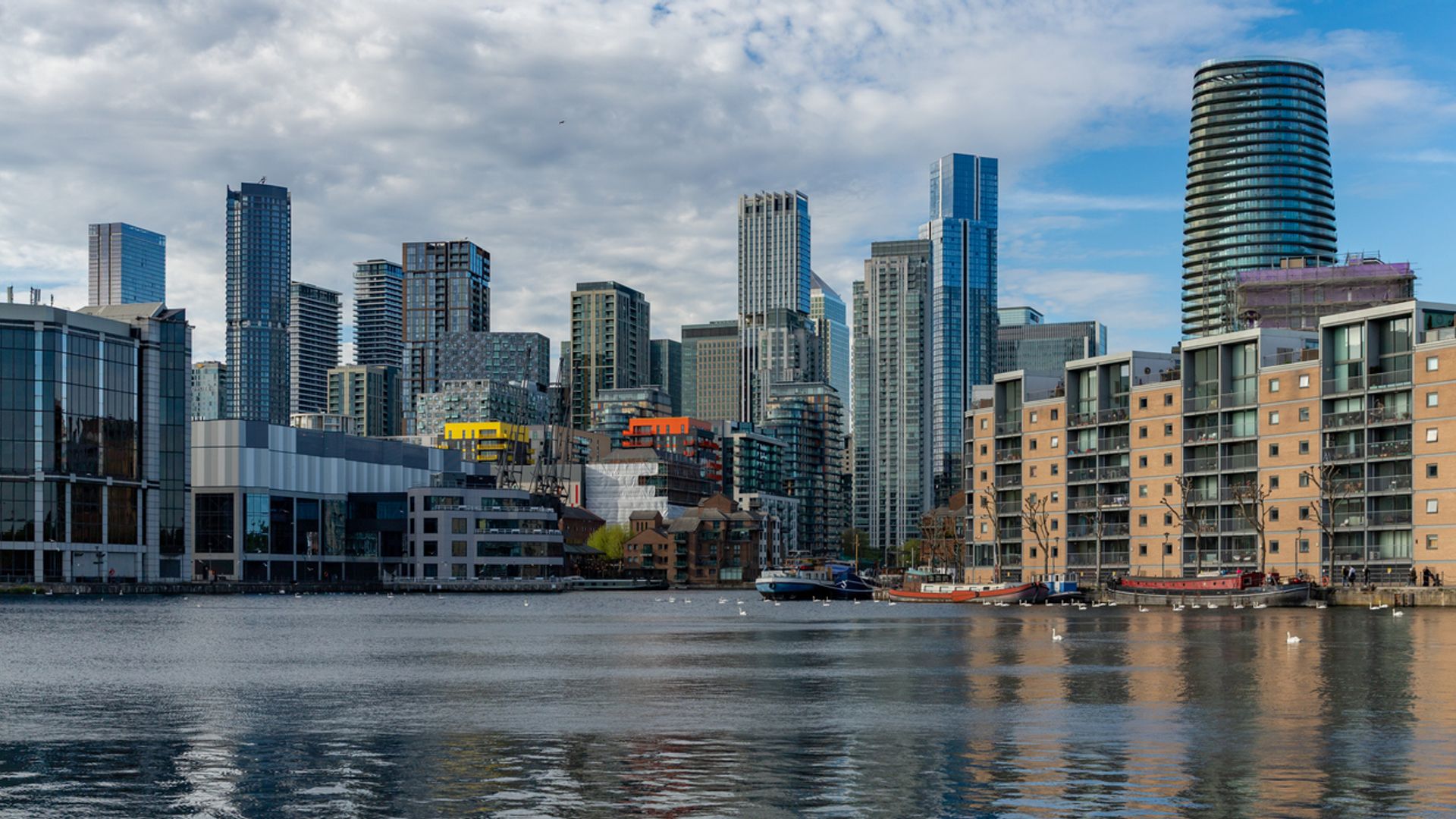
Urban waterfront spaces present a distinct set of kinetic hazards that standard municipal risk models routinely fail to capture. When a 14-year-old minor drowns within a localized dock infrastructure, the public discourse typically defaults to a superficial narrative of individual negligence or sudden misfortune. This reductionist framing obscures the underlying systemic failures of environmental design, municipal surveillance, and physical security controls. Analyzing such incidents requires stripping away emotional commentary to examine the structural mechanics of waterfront access, the physiological trajectory of cold-water immersion, and the operational gaps in urban safety interventions.
The Architectural Flaw of Unrestricted Urban Edges
Modern urban waterfront revitalization projects frequently prioritize aesthetic accessibility over utilitarian safety containment. Docks, industrial quays, and recreational piers are often designed with low transition thresholds between pedestrian transit zones and deep-water drop-offs.
- The Open Perimeter Paradox: Designing public spaces to maximize visual water contact inherently removes physical friction points that deter unauthorized or accidental entry.
- Friction Deficits: Standard architectural countermeasures—such as continuous parapet walls, self-closing security gates, and grade-separated barriers—are frequently omitted to preserve open sightlines.
- Lighting and Visual Occlusion: Sub-optimal lux levels along commercial and recreational docks during evening hours impair depth perception, transforming an invisible hazard into an immediate kinetic trap.
The absence of these barriers means that pedestrian miscalculation or impulsive adolescent behavior instantly translates into an acute survival scenario. The structural design of the dock environment fails to account for human error, assuming an idealized user base that operates with perfect spatial awareness at all times.
The Physiological Mechanics of Rapid Thermal Shock and Submersion
When an adolescent individual enters open urban water bodies unexpectedly, the physiological response is immediate, involuntary, and frequently lethal within the first sixty seconds. Public perception incorrectly attributes drowning exclusively to fatigue or inability to swim. In reality, primary immersion trauma often initiates a cascade of autonomic failures.
- Cold Shock Response: Sudden immersion in water temperatures below fifteen degrees Celsius triggers an involuntary gasp reflex, massive hyperventilation, and tachycardia, sharply increasing the probability of aspiration before voluntary breath-holding can be established.
- Incapacitation Phase: Peripheral vasoconstriction and rapid cooling of superficial nerve endings in the limbs degrade motor control within minutes, destroying an individual's capacity to climb vertical dock ladders or grip rescue lines.
- The Cognitive Overload Loop: Panic triggers a release of catecholamines, driving erratic swimming movements that exhaust remaining glycogen stores exponentially faster than controlled exertion.
Understanding these biological thresholds shifts the diagnostic framework. The fatal variable is rarely a lack of swimming instruction; it is the immediate, systemic breakdown of motor function induced by environmental temperature differentials combined with vertical extraction barriers.
The Operational Deficits in Municipal Response and Surveillance
Emergency management systems rely on a predictable chain of detection, transmission, and intervention. In aquatic incidents occurring within commercial or semi-industrial docks, this chain fractures at the detection node.
- Surveillance Blind Spots: Closed-circuit television coverage along municipal waterways is historically optimized for asset protection and traffic monitoring, leaving pedestrian-to-water interfaces outside active monitoring loops.
- Bystander Latency: The interval between user distress and the initiation of emergency communications is prolonged in environments where population density is low or where witnesses misinterpret distress signals for adolescent play.
- Vertical Extraction Impediments: Standard municipal rescue equipment—such as ring buoys and throw bags—is frequently vandalized, stolen, or improperly mounted, leaving accidental immersion victims without immediate, passive stabilization tools.
Bridging these operational gaps demands a transition from reactive emergency dispatch to automated boundary surveillance and fail-safe extraction architecture. Municipalities that treat dock safety as a static legal compliance issue rather than an active kinetic hazard management problem will continue to record preventable fatalities within their urban perimeters.
Deploy integrated infrared perimeter sensors along high-risk municipal dock perimeters to automate distress identification, coupled with IoT-enabled life-buoy deployment nodes that eliminate bystander latency during the critical primary intervention window.


