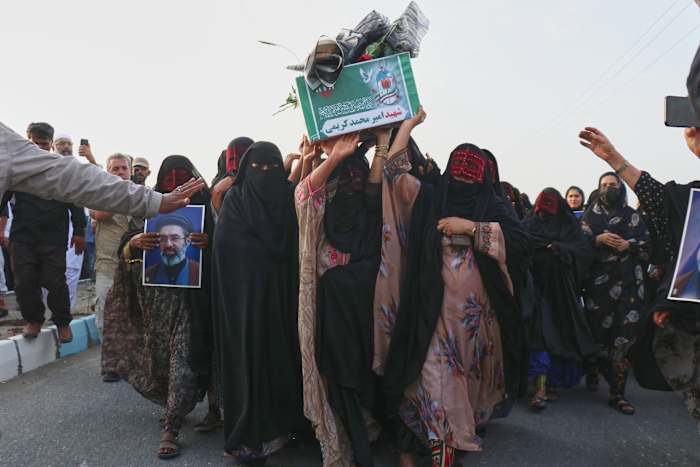
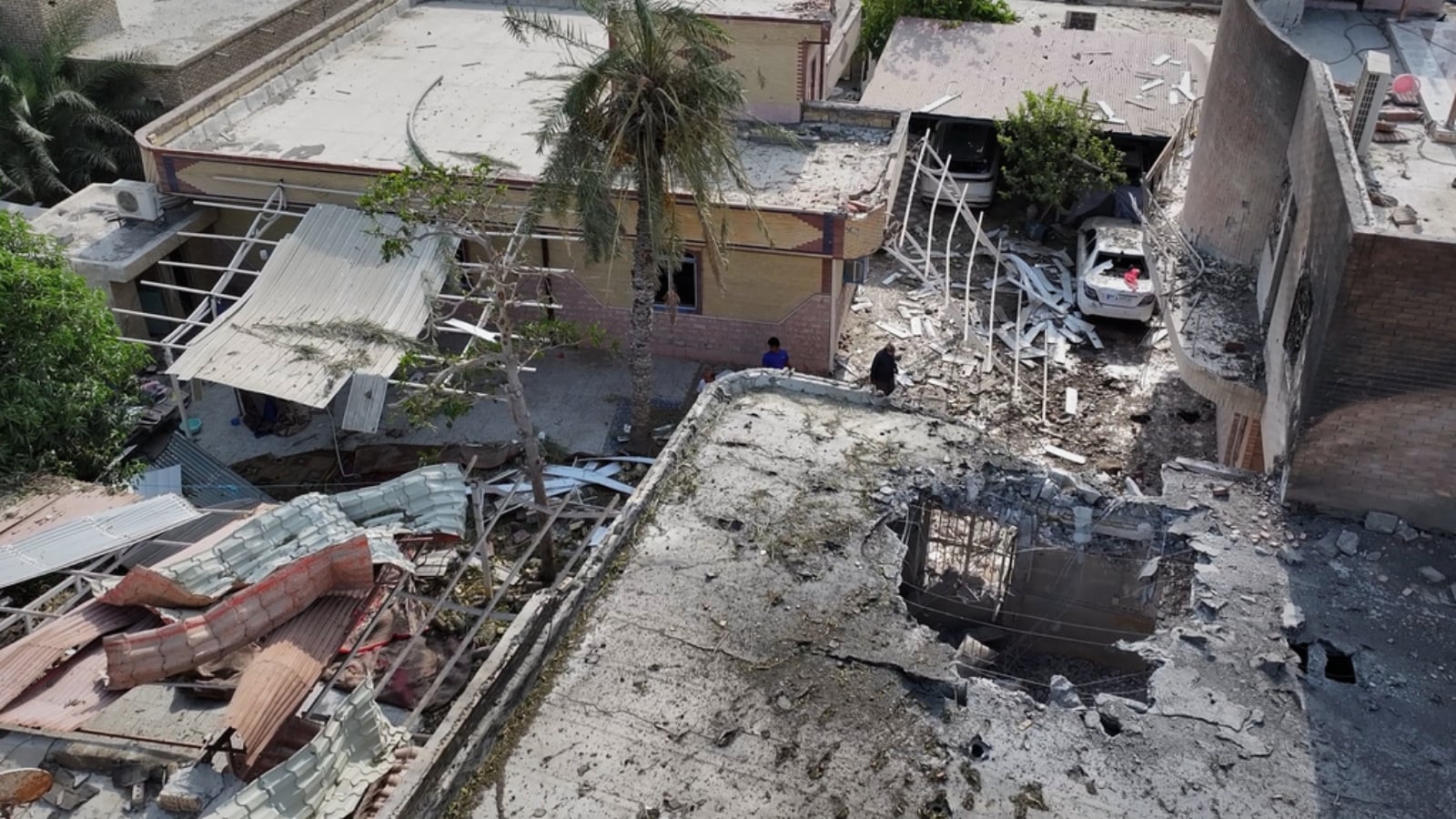
The operational friction inherent in modern precision air campaigns is measured not only by the direct success of intended target destruction, but by the statistical probability of collateral deviation. When a residential structure hosting a civilian gathering in Kuhestak, Sirik County, sustained a catastrophic structural collapse during a wave of United States Central Command strikes along the Strait of Hormuz, the incident exposed the acute divergence between target acquisition protocols and battlefield reality. Deconstructing the mechanics of this failure requires moving past political rhetoric to analyze the structural vulnerabilities of modern standoff munitions operating in densely populated coastal zones.
The Mechanics of Kinetic Deviation
Weapon forensics and visual evidence reviewed by independent military specialists indicate that the structural damage sustained by the residential building aligns with a direct ordnance detonation rather than a secondary fragmentation hazard or a deflected trajectory. In precision engagement architectures, a direct hit outside a designated target coordinate profile generally stems from three distinct operational failure modes:
- Guidance System Signal Degradation: Electronic countermeasures, local atmospheric anomalies, or multipath interference in coastal environments can degrade inertial navigation or satellite-guidance inputs during the terminal phase.
- Target Coordinate Mismatch: Human error or intelligence latency during the dynamic retargeting process can introduce flawed latitude and longitude values into the weapon's mission computer, aligning a precision asset with a civilian spatial footprint.
- Kinetic Transition Failure: Submunitions or primary high-explosive packages can fail to execute programmatic self-destruct or safe-escape routines if the primary guidance lock is momentarily lost near complex urban geometries.
Defense officials have introduced alternative hypotheses, including the potential involvement of errant Iranian air defense interceptors or ricocheting debris from secondary engagements. However, the physical signature of a roof-line detonation on a civilian domicile points directly to the persistent error margins built into high-tempo aerial operations. Even advanced guidance packages possess a Circular Error Probable that, when executed near civilian infrastructure, introduces a quantifiable risk of catastrophic off-target impact.
The Cost Function of High-Tempo Air Operations
The strategic calculus governing operations in the Strait of Hormuz relies on rapid, overwhelming suppression of Islamic Revolutionary Guard Corps assets, including coastal radar installations, air-defense batteries, and mine-laying infrastructure. This operational tempo creates a severe tension between tactical speed and collateral mitigation.
As strike frequency increases, the time allocated for collateral damage estimation decreases proportionally. Planners operate under compressed decision cycles designed to neutralize mobile threats before they reposition. This compression degrades the fidelity of pattern-of-life analysis, increasing the likelihood that civilian anomalies—such as large evening gatherings or residential celebrations—are misidentified or overlooked during the pre-strike targeting checklist.
The political fallout from such operational failures follows a predictable trajectory. Incidents resulting in high civilian casualties—such as the structural destruction and loss of life recorded in Kuhestak, or the earlier school strike in Minab—generate immediate domestic pressure and intensify international scrutiny regarding compliance with the laws of armed conflict. These events introduce friction into coalition cohesion and provide adversaries with immediate informational advantages.
Systemic Adjustments for Precision Minimization
Mitigating the recurrence of structural targeting errors requires a fundamental recalibration of terminal guidance verification and rules of engagement parameters. Military planners must implement stricter minimum separation distances between authorized military impact boxes and civilian population clusters, even during dynamic suppression campaigns.
To eliminate systemic vulnerabilities in high-density coastal zones, command structures should mandate dual-channel verification for all terminal coordinates located within a predefined buffer zone of civilian infrastructure. Integrating real-time sensor feeds directly into the final commit-abort authorization loop remains the most effective mechanism to intercept errant or misdirected munitions before kinetic impact occurs.
Investigative frameworks must transparently isolate the root cause of off-target detonations—distinguishing clearly between hardware failure, software drift, and intelligence processing errors—to ensure that operational adjustments directly target the mechanics of failure rather than serving as public relations remediation.