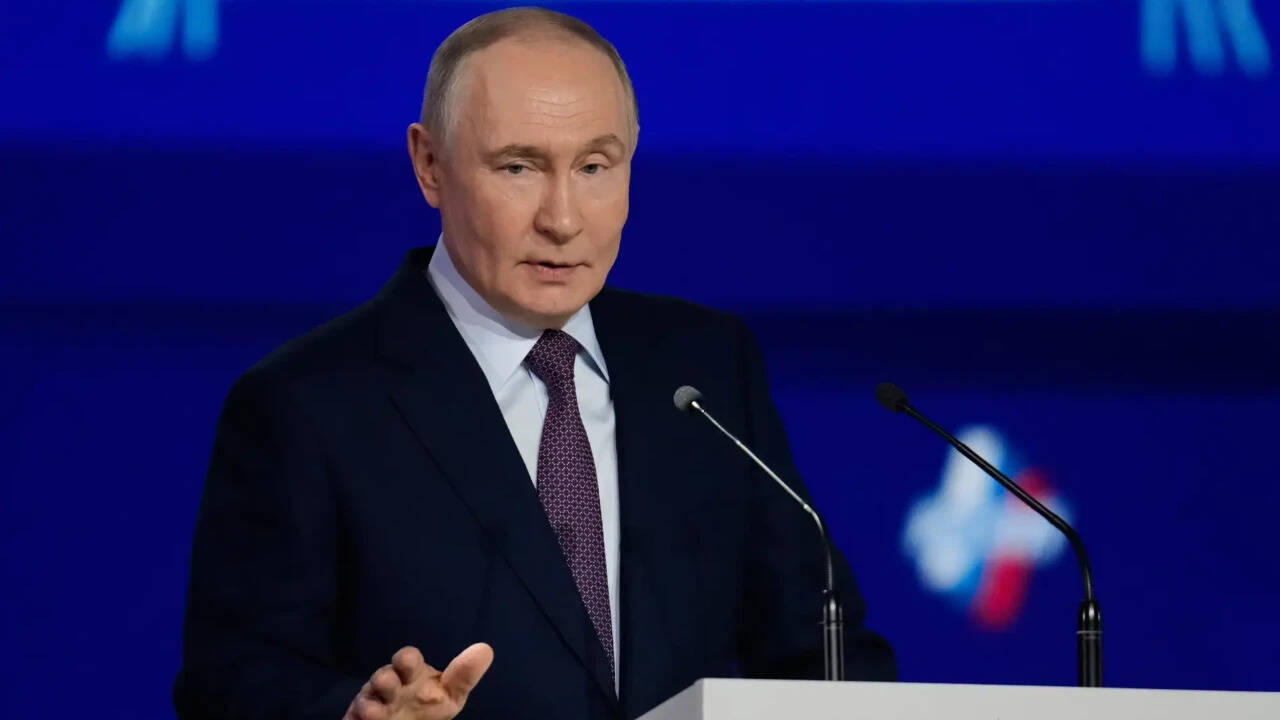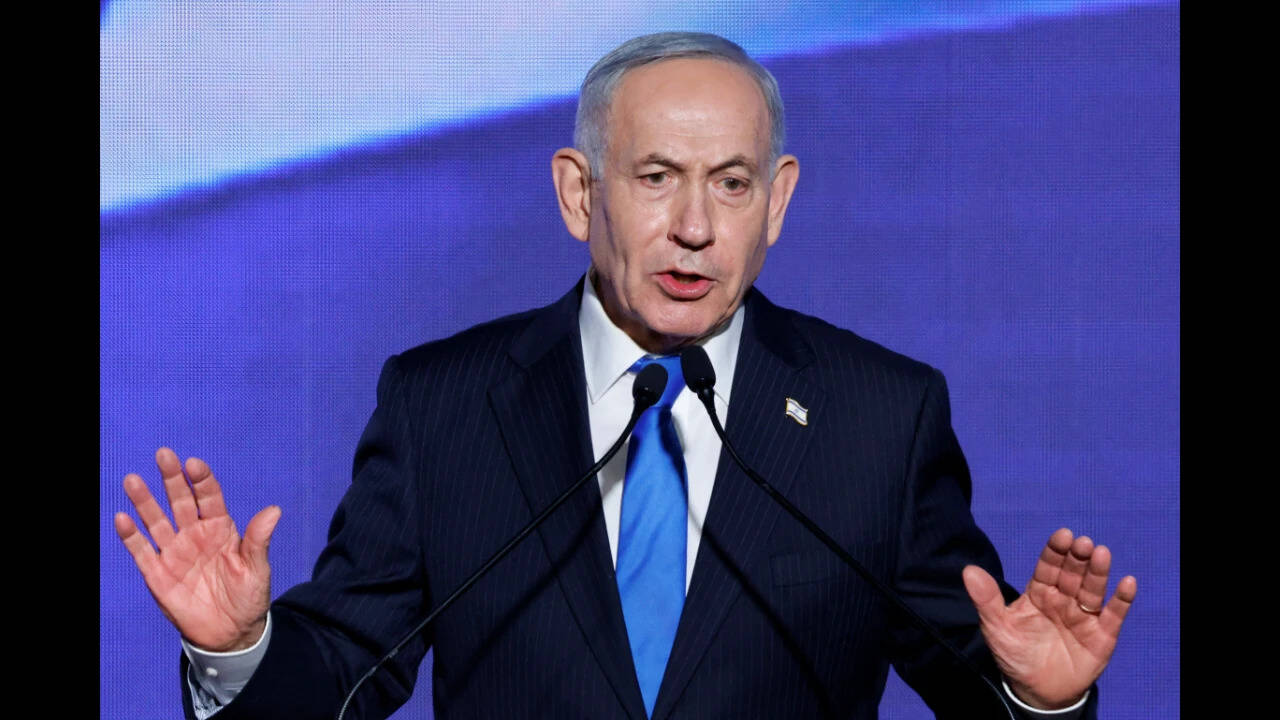
Every time a headline breaks about a precision strike on a militant leadership figure or a high-ranking finance chief, the ticker tape rolls out the same exhausted script. The talking heads nod. The officials declare that the backbone of the organization has been shattered. The consensus treats financial logistics like a traditional corporate supply chain, assuming that if you starve the ledger, the army collapses.
It is a comforting delusion. It treats asymmetric insurgencies like bankrupt balance sheets.
I have watched strategists misread unconventional conflict structures for decades, applying linear financial models to networks designed specifically to bypass them. The lazy consensus states that cutting off the money stops the violence. The data, the historical precedent, and the structural reality of modern militant economics tell a completely different story.
The Fallacy of the Balance Sheet
Let us define the actual mechanics here. When a state targets a finance chief, it destroys an individual, not an economic engine. Traditional militaries rely on centralized banking systems, SWIFT codes, tax receipts, and sovereign debt. Non-state armed groups operating in blockaded or semi-autonomous territories do not function on corporate finance principles. They operate on informal hawala networks, cryptocurrency skimming, humanitarian aid diversion, cross-border smuggling tunnels, and taxation of local black markets.
When you eliminate the chief accountant of a decentralized network, you do not freeze the assets. You trigger decentralization. The capital architecture fractures into smaller, harder-to-trace nodes that are even more resilient than the original centralized operation.
Imagine a scenario where a multinational corporation loses its chief financial officer. Operations grind to a halt while forensic accountants sort through the wreckage. Now imagine that same scenario applied to an underground network where every mid-level operative already holds the cryptographic keys and cash drop locations. The death of a finance chief is a tactical headline, not a strategic disruption. It provides immediate domestic political utility while leaving the underlying circulatory system of the conflict completely intact.
The Resilience of Informal Economies
The conventional analysis always asks how much money the group has left in its coffers. That is the wrong question entirely. The right question is how cheap it is to sustain low-intensity asymmetric warfare.
Building a rocket out of fertilizer, sugar, and plumbing pipe does not require venture capital funding. Tunnel engineering relies on sweat equity, basic hand tools, and concrete diverted from civilian reconstruction projects. The cost of manufacturing asymmetric capability is plummeting globally, while the cost of conventional defense scales exponentially.
When international watchdogs freeze formal bank accounts or sanction designated brokers, they force the network to adapt into leaner, more opaque channels. The underground economy does not shrink under pressure; it professionalizes its evasion tactics. Every sanction package is merely an audit of past methods, forcing the network to adopt tomorrow's countermeasures today.
The Political Utility of Perpetual Conflict
Why do leaders persist in selling the narrative that the next high-profile elimination will break the stalemate? Because the alternative is admitting that military action alone cannot solve a political deadlock.
Stating that an adversary "won't stop until they no longer exist" is a rhetorical trap. It sets an infinite objective that guarantees infinite continuation. If existence is the baseline for victory, then every day the group breathes is framed as a strategic failure, yet every targeted strike is simultaneously spun as a historic turning point. You cannot logic your way out of a contradiction built entirely for domestic consumption.
The harsh truth is that military strikes against financial operators buy time, not resolution. They provide a high-definition video of tactical competence while avoiding the intractable diplomatic and structural compromises required to alter the chessboard.
The Uncomfortable Downside of the Contrarian View
Adopting this perspective comes with a heavy cost. It strips away the comforting illusion of quick victories and clean resolutions. If financial decapitation does not work, and if territorial control does not eradicate an ideology born of systemic desperation, then the standard playbook is bankrupt.
The real work of dismantling an insurgency requires addressing the political vacuum and the economic despair that feeds its recruitment pipeline. Bullets and sanctions are easy to deploy. State-building, political disenfranchisement repair, and structural peace are grueling, generational undertakings that most political classes lack the patience to pursue.
Stop waiting for the ledger to balance. Stop cheering the death of accountants as the end of wars. The finance chief is dead. The tunnels remain. The math hasn't changed.