An eighteen-year-old student in Shanghai just showed the tech industry how real problem-solving works. While most teenagers spend their post-gaokao weeks recovering from exams and scrolling social media, Ma Kai built an artificial intelligence application. His goal wasn't venture capital or viral fame. He wanted to make sure his seventy-something grandfather took his prescription pills on time.
The project went public entirely by accident. Ma visited the World Artificial Intelligence Conference in Shanghai as a regular attendee, carrying a basic software tool built from a few lines of code and a massive language model. When local reporters interviewed him, his deeply personal reason for coding the app resonated across Chinese social media. It turns out that practical technology often beats out bloated enterprise software every single time.
The Real Problem With Senior Medication Management
Aging alone presents terrifying logistical gaps. If you have older relatives living by themselves, you already know the sinking feeling of wondering whether they took their morning pills, mixed up their dosages, or accidentally swallowed something past its expiration date.
Ma faced a specific looming deadline. He planned to leave home for university in September, leaving his grandfather to manage an independent household. Underlying health conditions mean routine pharmaceutical schedules are non-negotiable. Missing a dose or taking a wrong pill carries severe consequences.
Standard digital alarms rarely work for seniors. They get ignored, dismissed, or misconfigured. Ma needed something smarter.
How the Youth-Built AI Tool Actually Works
Instead of relying on rigid, pre-programmed reminder clocks, Ma leveraged an open-weight large language model called MiniCPM, developed by Beijing-based ModelBest.
The application does two heavy lifting tasks:
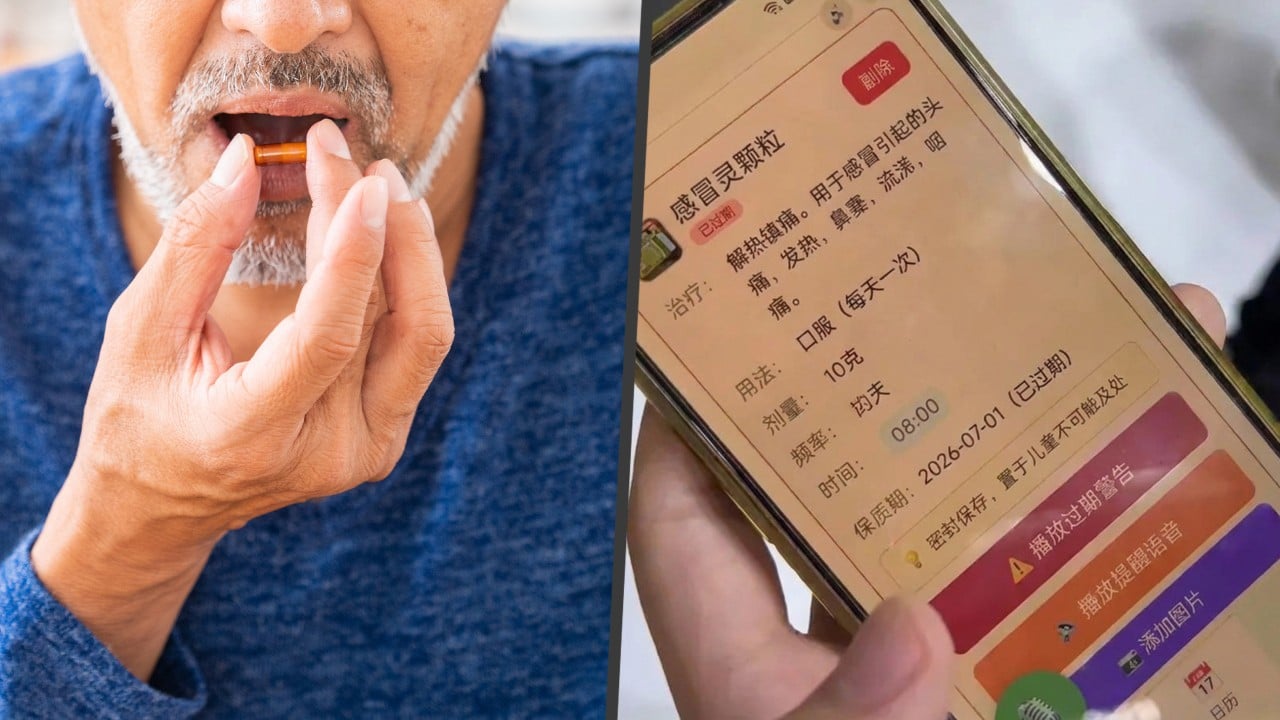
- It schedules smart, contextual medication prompts tailored for an elderly user.
- It scans medicine packaging photos to verify expiration dates.
If a user holds up a degraded or expired medical box, the system triggers an immediate vocal warning stating that the drug has expired and must not be consumed. It cuts through confusion with zero friction.
Why This Story Hit a Nerve Online
Millions of internet users responded to the story because it reframes what innovation looks like today. Commenters noted that true filial piety in the modern era means helping aging parents and grandparents navigate digital complexities.
We talk endlessly about artificial intelligence transforming enterprise workflows, automating copywriting, or generating synthetic art. Yet, the most compelling use cases often stem from hyper-local, personal empathy. A teenager looked at a personal family anxiety, opened a code editor, and built a bridge using local AI architecture.
Technology doesn't always need a billion-dollar valuation to matter. Sometimes it just needs to keep one grandfather safe in Shanghai.