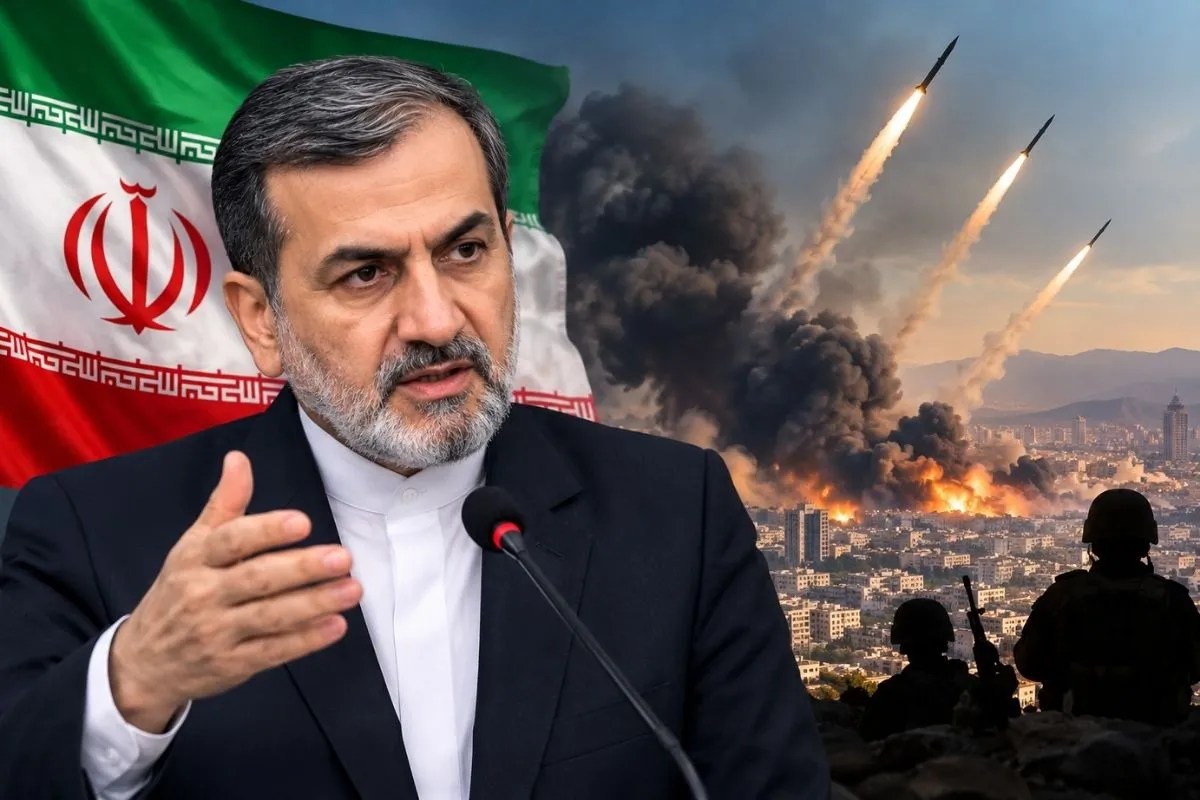
The diplomatic landscape across the Middle East shifted violently once more as Iranian officials made their stance unmistakable regarding regional ceasefires. Saeed Khatibzadeh and senior diplomatic figures within Tehran have drawn a hard line, asserting that partial or temporary truces are fundamentally unacceptable while broader hostilities persist across multiple fronts.
For decades, international mediators have attempted to patch over deep-seated conflicts with temporary cessations of hostilities. These short-term pauses rarely address root causes. Instead, they provide a brief window for regrouping before the next inevitable escalation. Tehran's recent messaging underscores a refusal to accept localized quiet while surrounding zones remain engulfed in strategic confrontation. For a different look, read: this related article.
The Anatomy of Regional Entanglement
Modern geopolitical crises rarely remain confined within national borders. When a flashpoint ignites in one corner of the region, shockwaves ripple instantly through allied networks, proxy groups, and economic corridors. This interconnected reality forms the core of Iran's strategic doctrine. A localized ceasefire, from this perspective, acts as a superficial bandage on a systemic fracture.
Observers often misinterpret diplomatic posturing as mere rhetoric. In reality, statements rejecting temporary pauses reflect a calculated assessment of leverage. When an administration faces severe economic pressure alongside active military friction, accepting a partial truce risks locking in disadvantageous territorial or political arrangements without securing long-term sanctions relief or strategic guarantees. Similar insight on this trend has been published by Al Jazeera.
Understanding the Stance Against Partial Paces
Military analysts and regional experts point to several driving factors behind Tehran's refusal to engage with piecemeal diplomatic proposals:
- Strategic Depth: Iranian defense and foreign policy rely heavily on a network of regional alliances often referred to as the Axis of Resistance. Breaking this front apart through isolated truces weakens the collective deterrence posture.
- Lack of Permanent Relief: Temporary pauses frequently lack binding commitments for permanent resolution, leaving the door open for adversaries to resume operations once tactical advantages shift.
- Domestic Calculus: Hardline factions within the political establishment view concessions under pressure as a sign of weakness, making compromise politically hazardous for leadership.
The Cost of Endless Escalation
The refusal to accept short-term fixes leaves the entire region trapped in a high-stakes loop of friction and anxiety. Neighboring economies bear the brunt of maritime disruptions, volatile energy markets, and lingering investor flight. Ordinary citizens across the region endure the psychological weight of chronic instability, where every diplomatic breakdown threatens to widen the theater of conflict.
International bodies continue to call for de-escalation, yet these appeals frequently founder against the hard realities on the ground. Without addressing the underlying territorial disputes, sovereignty concerns, and regional security architectures, any pause in fighting remains fragile at best.
Looking Beyond the Headlines
Analyzing these developments requires looking past daily diplomatic theater. The core dispute is not merely about whether a ceasefire lasts for a week or a month. It is about who writes the rules for regional security moving forward. Until a comprehensive framework emerges that addresses the core security dilemmas of every major player involved, the strategy of total confrontation—and the rejection of half-measures—will remain the dominant paradigm.