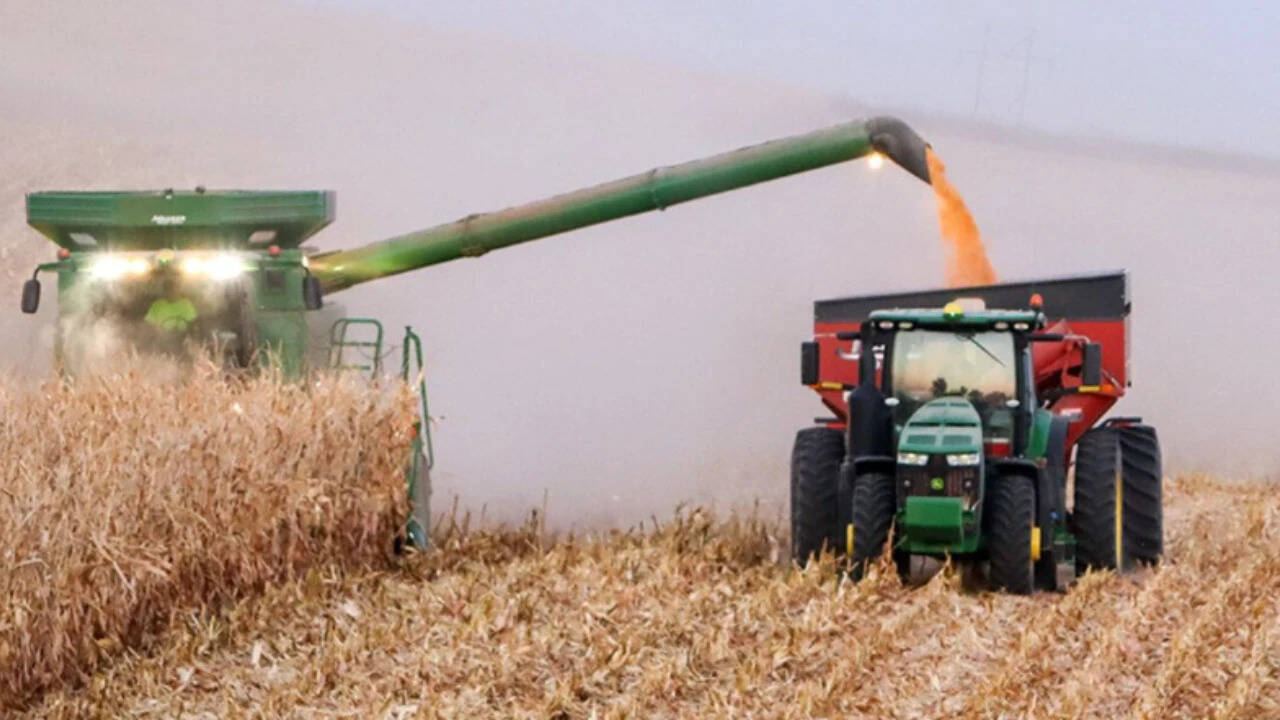
Most land donations end up as tax write-offs or quiet nature preserves. Not in rural Texas. When a community gets handed a full square mile of workable farmland—640 acres of dirt, sun, and potential—local growers don't just let it sit there collecting dust. They plant it, harvest it, and turn the crop revenue directly into college scholarships for 300 students.
It's a model that flips traditional philanthropy on its head. Instead of begging for cash donations every fall or hosting endless pancake breakfasts, Texas farmers took an appreciating, productive asset and put their own sweat equity into it. Every season, volunteer growers bring their own tractors, donate seed and fertilizer, and work the donated acreage to fund higher education for local kids who otherwise couldn't afford tuition.
Why Farming Land Beats Writing a Check
Cash disappears fast. You raise fifty grand at a charity auction, hand out twenty checks, and next year you're starting from absolute zero again.
Productive farmland works differently. One section of land—which equals 640 acres in standard U.S. public land surveying—is a recurring economic engine. When someone wills or gifts that kind of acreage to a community foundation or school district trust, the principal asset never gets spent. Only the harvest yields get liquidated.
Here's why that matters so much for rural education:
- Input costs drop to near zero. In commercial agriculture, fuel, seed, equipment depreciation, and labor eat up the vast majority of gross revenue. When neighboring farmers donate their time, machinery, and seed stock, almost every dollar from the grain elevator goes straight into the scholarship fund.
- Inflation protection is built in. Crop prices fluctuate, sure, but over a ten- or twenty-year horizon, agricultural commodities and land values track alongside inflation much better than a static savings account earning two percent interest.
- Community buy-in stays high. People care way more about a scholarship fund when they literally drive past the cotton or corn growing on the edge of town every morning on their way to work.
Honestly, it's wild that more agricultural counties don't operate like this. You're taking skills people already possess and assets the community already understands, then pointing them straight at the biggest bottleneck facing rural youth—the skyrocketing cost of trade school and university tuition.
The Reality of Running a 640-Acre Charity Farm
Let's not romanticize farming. Working 640 acres is brutal, unpredictable, and expensive, even when the land itself is free.
If you've ever spent time around production agriculture in Texas, you know the weather doesn't care how noble your cause is. A late spring hailstorm in the Panhandle or a three-month drought in Central Texas can wipe out an entire harvest before a combine ever touches the field. That's the biggest risk with crop-funded scholarships. You can't tell a college freshman in August that their tuition check bounced because July didn't get enough rain.
To make a 640-acre scholarship farm actually work for 300 students over time, organizers have to treat it like a real business, not a hobby garden.
Crop Insurance and Cash Reserves
Smart agricultural trusts never hand out 100 percent of a good year's harvest immediately. They carry federal crop insurance just like any commercial operation, and they park surplus revenue from bumper harvests into an endowment reserve. When a bad drought hits, the reserve covers that year's student awards without skipping a beat.
Coordinating Volunteer Labor
Getting forty independent farmers to agree on planting dates, herbicide applications, and harvest schedules takes serious diplomacy. Usually, a small board of respected local growers makes the agronomic calls—deciding whether the market favors cotton, grain sorghum, corn, or wheat that season—and assigns specific blocks of acreage to different farm crews. One crew handles discing and planting. Another handles spraying. Five combines show up on a Saturday in autumn and knock out the harvest before sundown.
Agribusiness Sponsorships
Seed dealers, chemical suppliers, and local co-ops love these projects because they get visible community goodwill without writing massive cash checks. Donating forty bags of seed or a tote of fertilizer costs a supplier wholesale rates, yet it creates retail-value tuition money on the other end.
What Makes Rural Scholarship Funds Succeed or Fail
A lot of well-meaning people inherit land or try to set up community trusts and completely botch the legal and financial structure. If you're looking at this Texas model and wondering how an estate gift actually scales to help 300 students, the secret sits in the governance.
First, the land has to be held by a clean 501(c)(3) nonprofit or an established community foundation—not loosely managed by an informal club. Title clarity prevents heirs from contesting the gift years later and shields volunteer farmers from liability if someone gets hurt on the property.
Second, the scholarship criteria shouldn't exclude trade schools and community colleges. Too many traditional scholarship committees only reward 4.0 GPA students heading to four-year universities. In farming communities, some of the highest-return investments go to kids learning diesel mechanics, welding, nursing, or ag-tech at a two-year regional college. When those graduates enter the workforce debt-free, they often stay in the county, start businesses, and eventually become the next generation of donors.
Third, transparency keeps the volunteers coming back. Farmers are skeptical by nature. They hate administrative bloat. If twenty percent of the crop revenue gets eaten up by "consulting fees" or fancy banquets, the tractors stop showing up. Keeping overhead near zero ensures every bushel harvested translates directly into textbooks, dorm fees, and tuition.
How to Start a Similar Land Trust in Your County
You don't need a full 640-acre section to replicate what these Texas farmers pulled off. Plenty of successful community ag projects start on 40 or 80 acres—sometimes leased at a discount from a retiring farmer before eventually being gifted through an estate plan.
If you want to build a self-sustaining scholarship engine in an agricultural area, take these steps right now:
- Partner with an existing community foundation. Don't spend two years and ten thousand dollars trying to incorporate a brand-new charity from scratch. Approach your regional community foundation or school district endowment and ask them to house a dedicated agricultural scholarship fund.
- Talk to retiring farmers without farming heirs. Across the U.S., millions of acres of farmland are owned by seniors whose children moved to the city and have zero interest in running a farm. Many of those landowners would love to see their dirt fund local kids forever rather than watching it get chopped up into subdivisions.
- Lock down input commitments before planting a single seed. Get local seed reps, fertilizer dealers, and fuel distributors to pledge their contributions in writing during the winter months so the board knows its exact break-even point before spring planting starts.
- Build a two-year cash buffer before expanding payouts. Hold back a portion of the first two harvests in a high-yield money market account so one bad weather year never forces you to break a promise to a student.
A single square mile of Texas farmland proves you don't need billionaire tech donors to transform local education. Put good dirt in the hands of stubborn, generous farmers, keep the bureaucracy out of the way, and three hundred students walk across a graduation stage without crushing debt.


