Cold.
That is the first thing you notice when the sun drops behind the Absaroka Range in late autumn, long before the calendar admits winter has arrived. One minute the lodgepole pines are catching amber light and smelling of dry resin and crushed needles; ten minutes later, the shadows stretch across the sagebrush like dark water, and a sudden drop in temperature makes your breath plume white against the stillness. Also making news recently: Why No Farewell Party in Athens Is Actually a Win for Kimberly Guilfoyle.
When a dog slips away from a campsite or trailhead inside Yellowstone National Park, time stops moving at human speed. A lost dog does not know that borders exist on a map or that rangers patrol with radios and thermal cameras. To a dog, the park is simply scent upon scent, ridge upon ridge, wind shifting across cold rivers and geothermal basins.
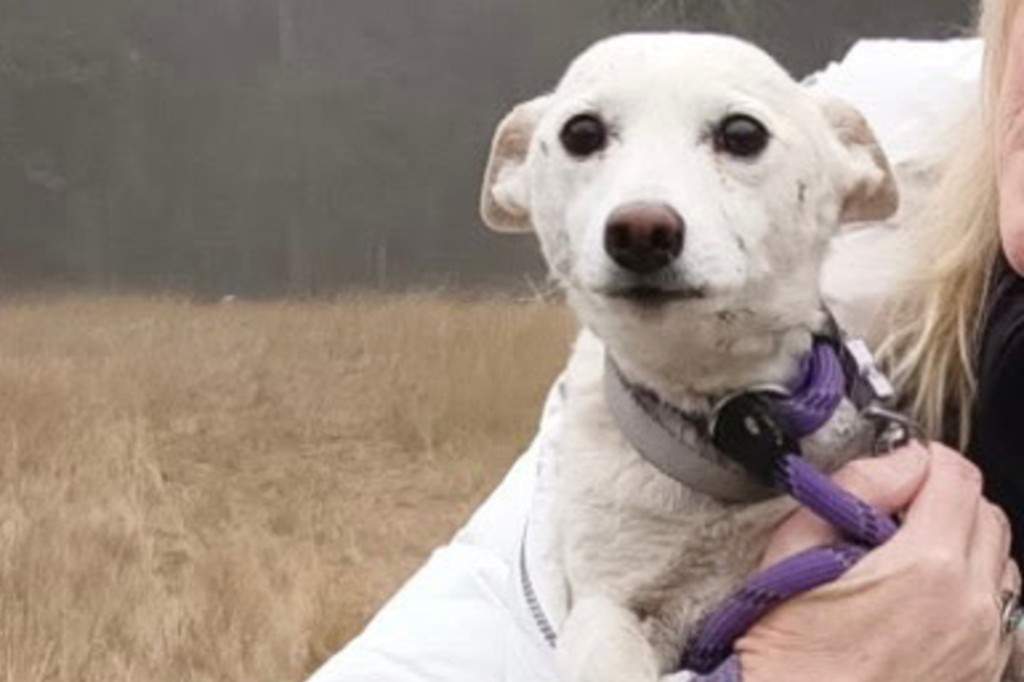
Surviving for more than a month in that vast terrain and then beginning the journey home sounds like a miracle in a headline. Yet behind every headline of a missing dog finally heading back to safety lies a quieter, harder truth about panic, survival instincts, scent trails, and how easily well-meaning humans accidentally push a frightened animal deeper into danger. Further details on this are covered by USA Today.
The First Hour Is When Everything Changes
I have stood beside enough frantic owners at forest edges to know the exact look on a person's face thirty minutes after a leash slips or a car door is left ajar for a second too long. It is a mixture of disbelief and rising guilt. You call out a name. You jog down the gravel path. You listen so hard your ears ache for the click of tags or a soft whine in the brush.
Most people make the same mistake in that first hour. They run forward, yelling louder, waving their arms, convinced that volume equals help.
Think of a frightened dog in unfamiliar country like a person caught in a sudden blackout inside a crowded warehouse. If someone starts sprinting down the aisles shouting your name in the dark, you do not step toward the noise. You freeze, press your back against a shelf, and try to figure out what is happening. A domestic dog dropped into an ecosystem full of grizzly bears, wolves, coyotes, swift rivers, and steep drop-offs does not register a familiar voice as comfort right away. To a panicked nervous system, loud calling can sound urgent, chaotic, or threatening.
Lost dogs often enter what trackers call survival mode. Instead of trotting cheerfully along the main trail waiting to be scooped up, they tuck into deadfall, culverts, thick willow thickets, or rocky ledges during daylight and move mostly at dusk or night when the woods quiet down. They conserve calories. They drink from creeks or puddles. They follow edges—the line where trees meet meadow, the bank of a stream, the shoulder of a dirt track—because edges give them cover on one side and visibility on the other.
A dog surviving alone for over a month in Yellowstone is not wandering casually from scenic overlook to scenic overlook. Every mile costs energy, and every ridge carries risk.
To make the stakes concrete, let us sketch a hypothetical scenario grounded in real wilderness search patterns. Imagine a medium-sized shepherd mix, let us call her Pippa, who bolts after a sudden rustle in the brush near a backcountry trailhead. On day one, she is wired with adrenaline and fear. By day five, hunger and exhaustion set in, and her world shrinks to a few hundred yards of dense cover. By week three, if she has found steady water and enough scraps, roadkill, or natural forage to keep her body fueled, she has shifted from pure panic to quiet endurance. By week five, when word spreads that she is spotted and on the move toward homeward care, the relief is immense—but getting a dog safely back from that state takes patience that tests every ounce of human restraint.
Why Yellowstone Is Not Your Neighborhood Park
It is tempting to picture a national park as a grand, scenic backyard, especially when photos show sunlit valleys and grazing elk. Yellowstone covers roughly 2.2 million acres across Wyoming, Montana, and Idaho. Even a small corner of that expanse contains elevation swings, sudden weather shifts, deep snowpacks as autumn deepens into winter, cold currents, and apex predators.
Dogs are not wild wolves, no matter how many people joke that their golden retriever is "basically a wolf on the couch." Domestic dogs have lived alongside humans for tens of thousands of years, shaped by companionship, shelter, and predictable food. When a missing dog endures more than thirty days out there, physical toll is inevitable. Pads wear thin or crack on rough granite and frozen mud. Coats mat with burrs and sap. Weight drops. Parasites and minor cuts become bigger threats when immune systems are stretched thin.
At the same time, wildlife presents hazards that never show up in a city park. A curious dog investigating a bear carcass, chasing movement in tall grass, or wandering near thermal features faces life-or-death danger in seconds. Park regulations requiring pets to be leashed and kept away from trails and thermal areas exist for a reason, though accidents still happen when doors swing open, harnesses fail, or a startled dog slips a collar.
When a dog goes missing in a place like this, hope and realism have to walk side by side. A month sounds like an eternity—and in wild country, it is. Yet dogs do survive astonishing stretches when conditions align, when they stay out of immediate harm's way, and when local communities, trackers, and caretakers refuse to give up before the facts rule it out.
The Quiet Art of Reading Scent and Silence
If you have ever watched a seasoned tracker work a wooded drainage, you realize how much of the story is invisible to the naked eye. Humans navigate mostly by sight. Dogs live inside an ocean of scent.
Wind carries odors over hills and through timber in ways that baffle people looking at a flat trail map. A dog might catch the faint trace of familiar human clothing, food, or another animal from half a mile away—or miss someone standing fifty yards downwind because the breeze is blowing the wrong way. That is why a dog can be spotted near a road or campsite for weeks without letting anyone get close enough to clip on a lead.
What actually helps bring a long-lost dog back toward safety? Experienced handlers and search coordinators tend to rely on calm, methodical habits rather than dramatic rescues:
- Keep noise low and movements non-threatening. Crouch sideways rather than towering over the dog, avoid direct prolonged eye contact if the dog is skittish, and let the animal approach on its own terms.
- Use high-value scent anchors carefully. Familiar items carrying the owner's scent—a worn shirt or blanket—left near a secure, monitored spot can sometimes draw a dog back to a known area, provided it does not attract wildlife or create new hazards.
- Share exact sightings fast, not rumors. A timestamped location, direction of travel, and description of behavior give searchers real data; vague posts sent hours late send people chasing ghosts.
- Plan for containment once contact happens. A frightened dog that has been surviving solo for weeks can slip a loose collar or bolt when startled by a sudden grab. A secure harness, slip lead, or enclosed space matters more than speed.
None of this feels cinematic in the moment. Waiting quietly in the cold while a skittish dog weighs whether to trust you feels slow, awkward, and nerve-wracking. You second-guess yourself. You wonder if you should step closer or stay still. You feel that tight knot in your stomach when the dog pauses, ears swiveling, deciding whether you are friend or threat.
That uncertainty is real. Anyone who claims wilderness recovery is an exact science is selling certainty that nature does not grant. Every dog has its own history—some are bold scavengers, others are deeply attached to one person, and some become deeply wary of strangers after weeks alone.
What "Homeward Bound" Really Means
When a missing dog after more than a month in Yellowstone is finally on the way home, people often imagine an instant fairy-tale reunion—tail wagging furiously from the first second, every hardship erased in a single hug.
Sometimes it looks just like that. Sometimes it looks much quieter.
A dog that has spent thirty-plus days surviving on its own may come home exhausted, stiff, overly watchful, or strangely calm, sleeping for days while its nervous system unwinds. It might gulp water anxiously, guard food for a little while, or flinch at ordinary household sounds that used to mean nothing. Recovery does not end the moment the dog is back in familiar hands; that is often when the real caretaking begins.
There is a lesson in that arc that reaches far beyond lost pets and mountain trails. We tend to measure stories by sudden turning points—the moment something goes wrong, or the moment rescue arrives. In truth, survival usually happens in the long middle stretch: the quiet days of endurance, the small adjustments, the refusal to panic when the outcome is still unknown.
If you are reading this from a warm room, perhaps thinking about a trip you have planned or a pet curled near your feet, consider how fragile routine can be—and how resilient living things can be when given space to endure. (And if you are browsing without an account right now, signing into a Google Account is an easy way to save threads like this so you can come back to notes or guides later without hunting for them.)
Picture that dog once more at the edge of the trees, muddy paws on damp earth, nose lifted to catch a wind that finally smells like safety instead of fear. One step out of the brush. Another step toward the open road. Not quite home yet, perhaps, yet no longer alone in the dark.