A Hundred Days of Silence, Broken
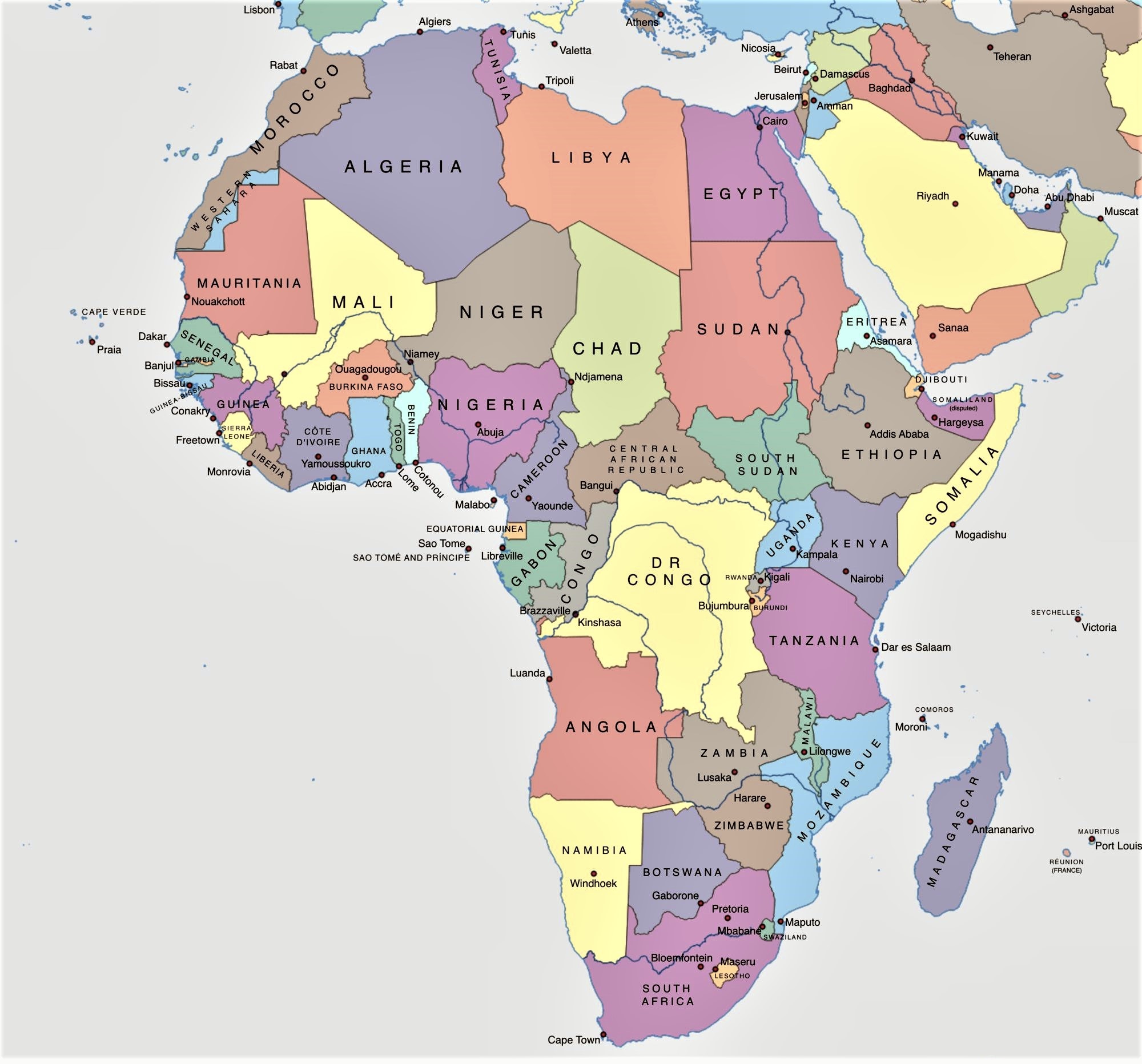
The teacup sits on a low wooden table in Kathmandu, steam rising slowly into the humid air. Across the room, framed maps of the Himalayas hang on the wall, showing a small, landlocked nation pressed tight between two colossal landmasses.
To the south lies India. To the north lies China.
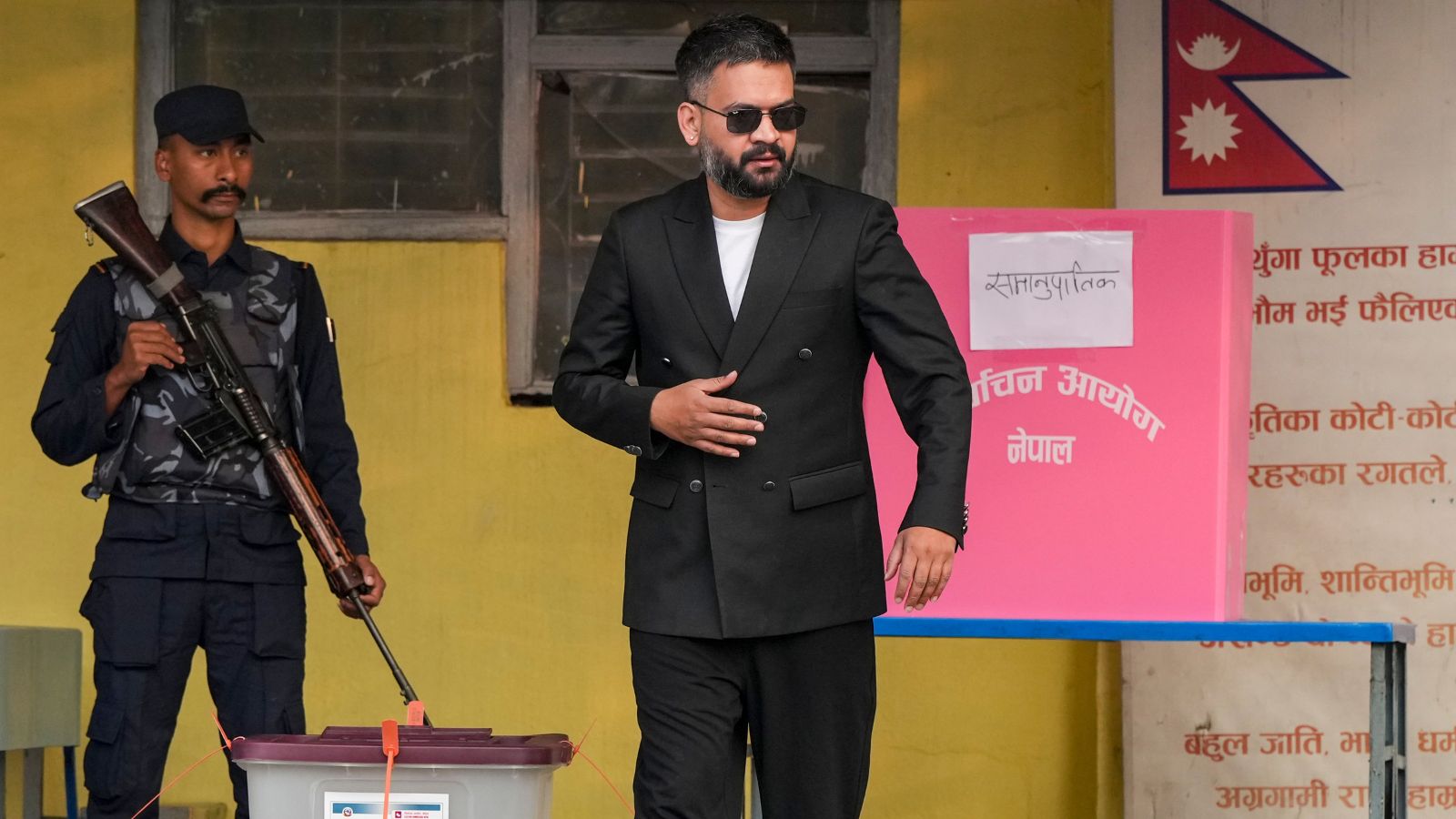
Inside this quiet room, Balendra "Balen" Shah sits down. He has reached his hundredth day in office. For over three months, the political establishment waited for him to falter, to make a misstep in the treacherous waters of South Asian diplomacy. Instead, he chose his moment carefully. He invited the ambassadors of both neighboring superpowers for back-to-back meetings.
Power in Kathmandu does not move with sudden shocks. It moves with deliberate, calculated quiet.
The Engineer in the Marble Halls
To understand why these meetings carry such immense weight, one has to look back at how Balen Shah arrived in office. He was not born into a political dynasty. He did not spend decades climbing the dusty ranks of established party apparatuses.
He was a structural engineer. He was a hip-hop artist. He was a man who looked at the crumbling infrastructure and entrenched cynicism of his city and decided to fix it with the precision of a blueprint.
When voters put him into office, it sent a shockwave through the old guard. His victory signaled a desperate public craving for competence over rhetoric. But managing municipal municipal services, garbage collection, and road repairs is one thing. Walking the high wire of international geopolitics is something entirely different.
Consider a hypothetical local shopkeeper in the bustling alleys of Asan market. Let us call him Ramesh. For Ramesh, the geopolitical tug-of-war between Beijing and New Delhi is not an abstract theory discussed in academic journals. It is the price of fuel for his delivery van. It is the availability of imported spices on his shelves. It is the stability of the border crossings where his goods sit in shipping containers. When the diplomatic gears grind to a halt, Ramesh feels the friction in his wallet.
Shah knows this. He understands that every local problem in Nepal eventually traces its roots back to global realities.
The Geography of Pressure
Nepal exists in a delicate state of equilibrium.
To the south, India shares an open border, deep cultural ties, and crucial trade arteries that feed the nation’s economy. Most of Nepal’s fuel, medicine, and daily commodities flow across this southern boundary. A disruption here can bring daily life in Kathmandu to a standstill within days.
To the north, China offers massive infrastructure investments, trade routes, and a counterweight to southern dependency. Beijing’s diplomatic presence has grown steadily, offering projects under global trade initiatives and promising connectivity through daunting mountain passes.
For decades, Nepali leaders have tried to play these two giants off one another. Some leaned heavily toward New Delhi, seeking stability and open trade. Others tilted toward Beijing, looking for investment and strategic leverage.
Most failed to maintain balance. They fell into the trap of taking sides, leaving the country vulnerable to shifting international winds.
When Shah reached his hundred-day milestone—a traditional benchmark for assessing an administration’s trajectory—the diplomatic corps was waiting. Would the outsider mayor ignore the traditional powers? Would he favor one over the other?
His decision to host both ambassadors in rapid succession was a masterclass in balance.
What Happens When the Doors Close
The conversations behind those closed doors were not about grand military alliances or high-level ideological compacts. They were about practical, tangible outcomes.
With the Indian ambassador, the discussion centered on immediate, ground-level realities. Border management, transit infrastructure, and the smooth flow of essential goods dominated the agenda. Shah needed to ensure that the economic engine of his region remained fueled without friction.
With the Chinese ambassador, the focus shifted to long-term infrastructure, urban development, and cross-border connectivity projects. Shah approached these proposals not as political favors, but as an engineer reviewing technical specifications.
By meeting both representatives at the hundred-day mark, Shah sent a clear message: Nepal’s new generation of leadership will not be swayed by traditional sphere-of-influence politics.
Instead, every relationship will be evaluated on a simple metric: Does this serve the daily lives of the people?
The Unspoken Mandate
The stakes could not be higher.
When a young leader takes the stage in a geopolitical hotspot, the room for error is zero. A single careless statement can derail trade negotiations. A perceived slight can stall infrastructure funding for years.
Shah’s strategic patience during his first hundred days demonstrated a deep understanding of this reality. He resisted the urge to make loud proclamations or take early diplomatic victory laps. He waited until his administration had established its internal footing before opening the doors to foreign envoys.
This was not just administrative caution. It was a statement of sovereignty.
By controlling the timing, the venue, and the agenda of these meetings, Shah flipped the traditional dynamic. He did not go hat-in-hand to foreign embassies. He summoned the diplomats to his office, on his timeline, to discuss his priorities.
The Long Road Ahead
The teacup on the wooden table is now cold. The ambassadors have left, their motorcades disappearing into the chaotic traffic of Kathmandu.
The quiet meetings are over, but the work is just beginning. The true test of Shah’s pragmatic strategy will not be measured in the polite press releases issued after diplomatic handshakes. It will be measured in the months and years to come—in the steady arrival of cargo trucks at the border, the completion of long-delayed transit projects, and the economic stability of millions of citizens who just want a fair shot at a better life.
The structural engineer has drawn his blueprint. Now, the heavy lifting begins.