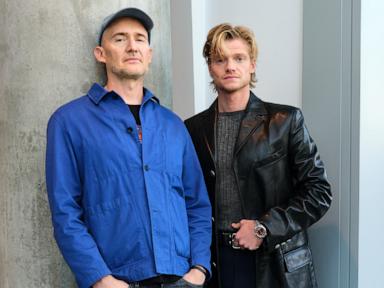
A dismissal is not a vindication. Not in Albuquerque. Not in Hollywood.
Read the standard coverage of State District Judge Joseph Montano tossing the indictment against actor and director Timothy Busfield, and you will see the same lazy reflex repeated across entertainment desks. A judge throws out four counts of criminal sexual contact with a minor over prosecutorial misconduct and grand jury errors. The headlines treat it like a clean slate. A courtroom comeback. A triumph of due process. For another look, read: this related article.
That is a fantasy written by people who confuse courtroom procedure with industry reality.
When a judge quashes a grand jury indictment because prosecutors failed to act fairly or withheld material from the room, the state is not declaring the defendant innocent. The indictment is a charging instrument, not a verdict on the merits. Even more glaringly, a dismissal without prejudice leaves the door open for prosecutors to convene another grand jury and try again within the rules. Calling that a total victory misses the entire mechanics of how criminal indictments work and how entertainment careers actually die. Related insight on this matter has been published by Entertainment Weekly.
The Myth of the Clean Slate in Entertainment
Let's strip away the courtroom drama and look at how studios, insurers, networks, and talent agencies actually price risk.
I have watched production budgets implode and talent deals evaporate over allegations that never even reached a trial jury. Insurers do not underwrite "probable innocence." They underwrite balance-sheet exposure, bondability, and public relations blowback. A grand jury indictment—followed by an arrest, agency termination, and digital replacement on a project—already trips every risk trigger a studio legal department cares about.
In criminal law, the standard of proof at trial is beyond a reasonable doubt. Before a grand jury, the standard is probable cause—a far lower threshold where prosecutors traditionally control the presentation of evidence. When Judge Montano ruled that prosecutors overstepped and undermined the grand jury process, he was policing the integrity of the state's charging power. He was not issuing a certificate of good character.
Think about the distinction between procedural dismissal and factual exoneration. A procedural dismissal says the charging process was tainted. Factual exoneration means the underlying conduct did not happen. Conflating the two is how commentators get burned every single cycle.
Imagine a scenario where a television network is casting a director for a mid-season replacement series in 2027. The legal team pulls the file. They see the charges stemming from The Cleaning Lady years, they see the judge's rebuke of the prosecution, and they also see the explicit warning that the state can refile if it chooses. If the production company's completion bond insurer refuses to cover the shoot unless a rider excludes that director, the executive producer does not debate grand jury rules. They hire someone else before lunch.
Prosecutorial Overreach Is a Real Flaw, Not a Free Pass
To be fair to Busfield's defense team, grand jury rooms have a well-documented problem with prosecutorial control. Legal scholars—from John H. Wigmore on the adversarial system to modern criminal procedure commentators—have long pointed out that grand juries hear one-sided presentations unless prosecutors are held to strict standards of fairness and candor.
When prosecutors cross the line by restricting testimony, withholding exculpatory material, or misrepresenting evidence, courts should step in. Accountability on the state's side protects everyone's constitutional rights.
Yet pointing out prosecutorial misconduct does not erase the context surrounding the case. Busfield has denied the allegations tied to The Cleaning Lady, calling them lies motivated by revenge, and his camp has pointed to the dismissal as proof that the state's case was mishandled. At the same time, public records and news reports show prior controversies and separate allegations spanning decades—including a 1994 dispute involving a Little Big League extra that led to a settlement and defamation litigation fallout, as well as a 2012 allegation that resurfaced publicly in 2026.
A dismissal of the New Mexico indictment does not wipe those headlines off the internet. Search results do not care about technicalities. Casting directors and showrunners look at the whole mosaic, not just the latest court order.
Why "People Also Ask" Gets the Question Backward
Most people searching this story ask two questions: Will Timothy Busfield face charges again? and Can he rebuild his acting and directing career?
Both questions miss the real issue.
The first question treats the dismissal as a finish line. Legally, it is a reset button for the prosecution—assuming they decide to take another swing. Even if prosecutors walk away, a dropped indictment is not an acquittal. You do not get a "not guilty" verdict when the charges are tossed before trial.
The second question assumes talent in Hollywood is judged purely by courtroom outcomes. It is not. Public perception and institutional risk tolerance operate on a completely different clock. As Busfield himself told grand jurors during his testimony, the fallout from allegations alone can tank bookings, cost representation, and get an actor digitally cut from projects before a jury ever hears a word.
What should actually happen next if someone in his position wants a real shot at working again?
- Stop treating a dismissed indictment like a victory lap. Overstating a procedural ruling invites pushback and keeps the underlying allegations front and center in news cycles.
- Fix the insurance and compliance bottleneck first. Before pitching a single network or studio, secure clear answers from production counsel and bond brokers on what coverage is actually obtainable.
- Separate legal strategy from public messaging. Lawyers argue motions in court; crisis teams manage reputation—and letting defense soundbites double as career rehab rarely convinces risk-averse buyers.
The Downside of Betting Against a Comeback
I could be wrong about how fast the industry moves on. Hollywood has a long memory for box-office value and a notoriously short memory when a project needs a cheap, experienced hand who can hit marks and make schedule. Stranger comebacks have happened when a producer decides the upside outweighs the noise.
Still, bet on inertia before you bet on redemption. A tossed indictment removes an immediate legal barrier. It does not hand anyone their career back.
Timothy Busfield indictment dismissed as Mark Geragos slams prosecutor | Jesse Weber Live
This video offers legal commentary on the dismissal of the indictment and the arguments surrounding prosecutorial conduct in the case.