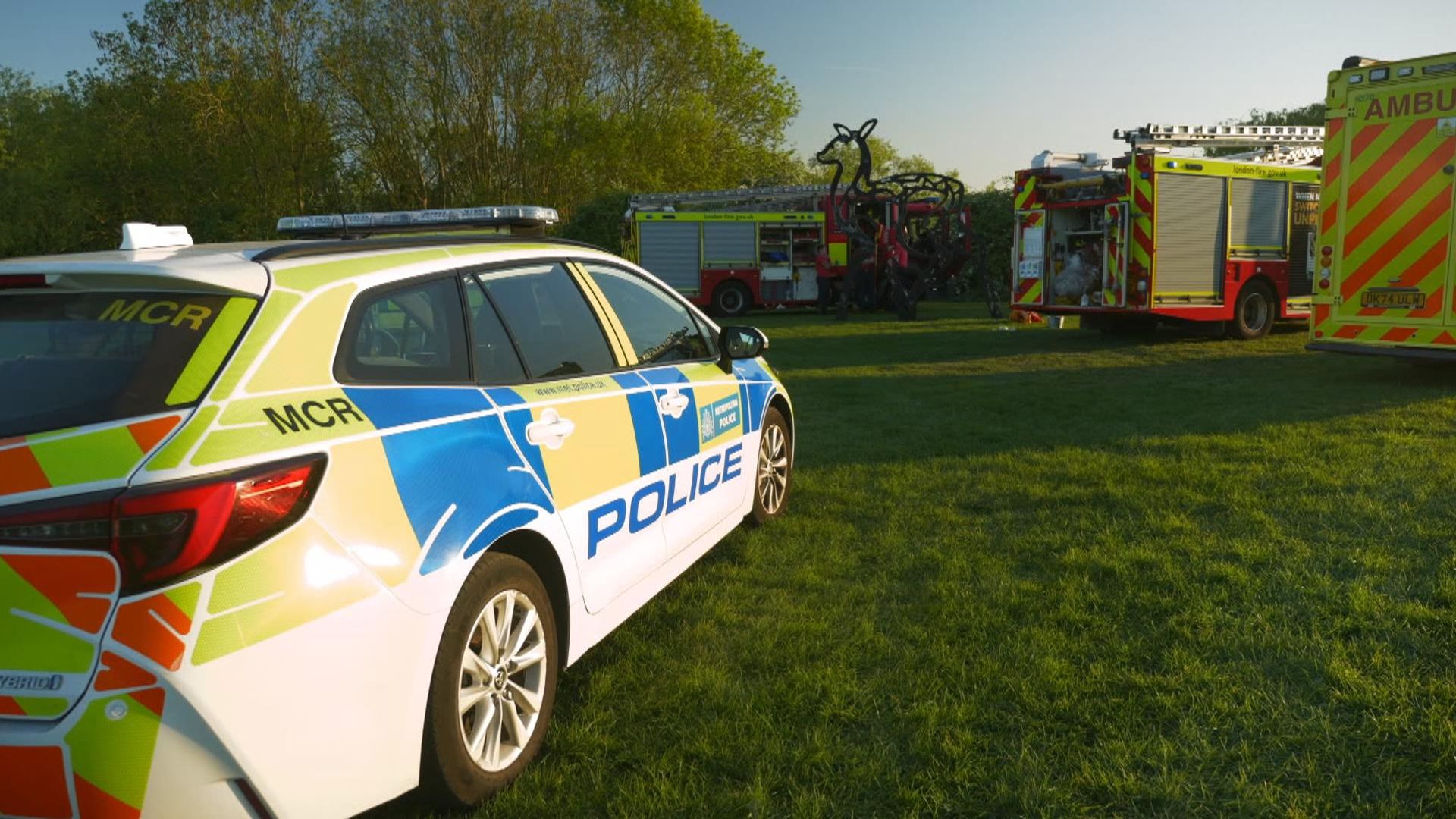
The news of a mother and her young son losing their lives after getting into difficulty in the water is the kind of story that stops you in your tracks. It’s heavy. It’s visceral. When the police confirm the deaths are not suspicious, it offers a small, cold piece of clarity in a situation defined by chaos. We often want there to be a villain or a clear sequence of events to blame, but sometimes the reality is far simpler and much more terrifying. Accidents happen in seconds.
The investigation into this specific tragedy followed the standard protocol. Police officers and emergency services arrived at the scene quickly after reports of two people struggling in the water. Despite their best efforts and the work of medical professionals, neither survived. When authorities label an incident as not suspicious, they mean there’s no evidence of third-party involvement or foul play. It’s a tragedy of circumstance rather than a crime. This distinction doesn't make the loss any easier for the family, but it shifts the focus from a criminal hunt to a public safety conversation. Also making waves lately: Monarchy and Manifold Pressure The Mechanics of Anglo American Nuclear Nonproliferation Strategy.
Why Water Accidents Happen So Fast
People think they’ll have time to react. They don't. Cold water shock is a physical reality that ignores how strong a swimmer you are. When you hit cold water, your body’s immediate instinct is to gasp. If your head is under, you’re inhaling water right away. This leads to panic, and panic leads to drowning. It’s a brutal cycle.
Most people imagine drowning involves a lot of splashing and screaming. It doesn't. In the real world, drowning is often silent. A person struggling to breathe can't shout for help. Their mouth sinks below the surface, they pop up for a tiny breath, and then they go under again. Their arms usually move instinctively to the side to try and push them up, not waving to get your attention. It looks like they're just treading water or playing. Until they stop. More insights regarding the matter are explored by Reuters.
Understanding the Not Suspicious Label
When the police wrap up an initial investigation and say a death isn't suspicious, they’ve looked at the evidence. They check CCTV. They talk to witnesses. They look at the physical state of the scene. In the case of a mother and son, they’re looking for signs of a struggle or something that doesn't fit the narrative of an accident.
Finding no foul play means the evidence points toward a tragic accident. Maybe someone slipped. Maybe the current was stronger than it looked. Perhaps one went in to save the other—a common and heartbreaking scenario in these types of incidents. It's a conclusion based on forensic facts. It means the file will go to the coroner instead of a criminal court. The coroner's job is to determine exactly how they died, but the police are satisfied that no one else was responsible for the tragedy.
The Dynamics of Parental Instinct
It's almost certain that in cases involving a parent and child, instinct plays a massive role. If a child slips into a river or a lake, a parent isn't going to stop and check the depth or the current. They're going in. This is how a single accident becomes a double fatality. We see it time and again. The "rescuer" often becomes the second victim because they enter the water under extreme stress, without a plan, and often without being a strong enough swimmer to handle the added weight of another person.
Safety experts often talk about the "Reach or Throw, Don't Go" rule. It sounds heartless when it's your child, but the data from organizations like the Royal Life Saving Society UK shows that many water deaths occur when someone tries to save a person or even a pet. Without flotation gear, two people in the water are just two people in danger.
Common Myths About Water Safety
We need to talk about what people get wrong. Most think they're safe if they're just "near" the water. But banks can be unstable. Rocks are slippery. You don't have to be swimming to end up in the water.
- The Water Looks Calm. A smooth surface doesn't mean there isn't a rip current or a fast-moving underwater flow.
- I’m a Great Swimmer. Pool swimming is not open water swimming. Cold temperatures and hidden debris change everything.
- It’s Not That Cold. Even in summer, British waters rarely get warm enough to prevent cold water shock.
- I’ll Hear Them. As mentioned, drowning is quiet. If you aren't looking, you won't know.
What Happens During a Coroner Investigation
Once the police declare the deaths not suspicious, the formal process moves to the Coroner’s Office. An inquest will be opened. This isn't a trial to find guilt, but a legal inquiry to establish the facts: who died, when they died, where they died, and how they came by their death.
Medical examiners will perform a post-mortem. They’ll look for any underlying health issues that might have contributed, but mostly they’re looking for the physiological signs of drowning. The findings are made public, which can be incredibly painful for the family, but it's a necessary step for official record-keeping and to identify if there are any wider public safety issues at that specific location. If a particular stretch of water sees multiple "not suspicious" deaths, the coroner can issue a "Prevention of Future Deaths" report, which forces local councils or landowners to improve safety measures like adding life rings or better fencing.
Practical Steps for Staying Safe Near Water
You don't have to stay away from the water forever, but you do have to respect it. It’s an indifferent force. It doesn't care about your intentions.
Check the weather and the tides if you're near the coast. If you’re at a lake or river, stay on established paths. The edges of banks are often undercut by erosion, meaning they can collapse under your weight even if they look solid. If you’re walking with children, keep them on the side away from the water. It sounds simple, but it’s the easiest way to prevent a slip.
If you ever find yourself in the water unexpectedly, remember the "Float to Live" advice. Fight your instinct to thrash around. Lean back, extend your arms and legs, and try to float on your back until your breathing calms down. Only then should you try to swim to safety or call for help.
If you see someone else in trouble, call for help immediately. Look for a life ring or even a long branch. Don't jump in. It’s the hardest thing in the world to stand on the bank while someone struggles, but becoming a second casualty helps no one. Get professional rescuers on the way and try to keep eyes on the person's location so you can point the emergency services to the right spot the moment they arrive.
The tragedy of a mother and son is a reminder that life is fragile. When the police say it’s not suspicious, it’s a closing of one door and the beginning of a long, painful road of grief for those left behind. Stay alert. Respect the water. Teach your kids about the dangers before they ever get near the edge.



