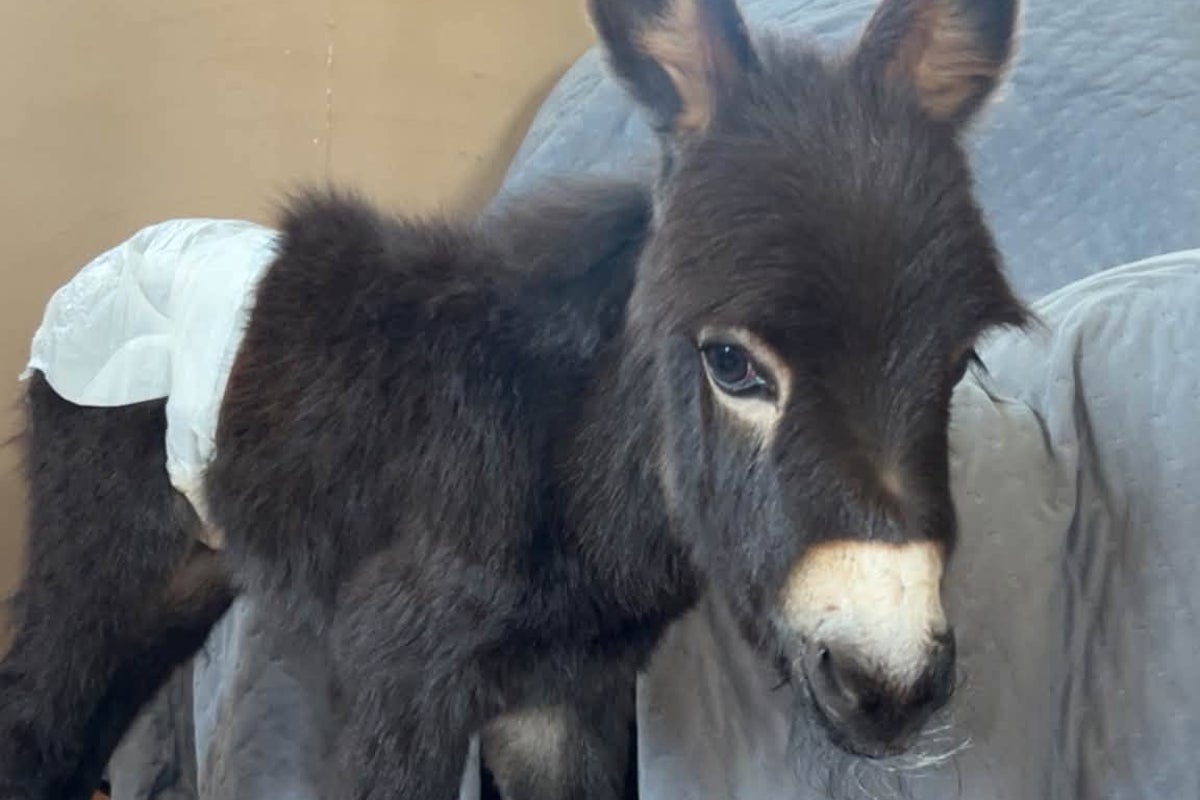
A gunshot shatters the quiet morning air. Moments later, a beloved family pet lies dead on private property. This is the horrifying reality one family faced when law enforcement officers shot and killed their pet donkey. People want answers. They aren't getting them.
When a trusted animal is gunned down by the very people sworn to protect the community, outrage is inevitable. You expect protection. You expect professional restraint. Instead, families are left grieving an innocent animal and staring at an official wall of silence.
Let's look at what actually happens when departments hide behind standard protocol while grieving owners demand transparency.
When Law Enforcement Meets Livestock
Livestock and domestic farm animals don't belong in the standard tactical playbook. Most patrol officers spend their entire careers dealing with humans, traffic stops, and domestic disputes. They receive very little training on how to handle large, non-aggressive animals like donkeys, miniature horses, or goats.
When an officer encounters a loose animal, fear often overrides common sense. Donkeys are naturally curious creatures. They might approach strangers, bray loudly, or stand their ground because they possess strong guard instincts against predators. An untrained officer frequently misinterprets this behavior as aggression.
That misinterpretation turns fatal in seconds.
Real accountability requires admitting when a mistake happens. Too often, departments circle the wagons. They issue vague statements about officer safety. They claim the animal posed an immediate threat. They bury body-cam footage under layers of bureaucratic red tape.
Families don't buy the excuses anymore.
The Broken Standard of Internal Investigations
If an ordinary citizen shot someone else's animal on private property, criminal charges would follow almost immediately. Animal cruelty laws exist for a reason. Yet, when a badge-wearing public servant does the exact same thing, the rules mysteriously change.
Internal investigations drag on for months. Sometimes years. Agencies investigate themselves and routinely find no wrongdoing.
This dynamic destroys public trust. Communities stop calling the police for help when they fear the officers might shoot the family dog or farm animal out of panic.
You have to ask a hard question. Why do routine calls involving loose livestock so frequently end in lethal force?
Rural and semi-rural areas across the country deal with stray animals every single day. Farmers, animal control officers, and local shelters manage these situations safely without firing a single shot. They use feed, calm voices, and basic patience.
Police departments need to partner with local animal control experts before they deploy lethal solutions in residential neighborhoods.
What You Can Do to Protect Your Animals
Waiting for police departments to magically reform their animal handling policies is a losing strategy. You have to take proactive steps to protect your property and your animals right now.
- Secure your fencing thoroughly. Even if your animals are docile, weak fences invite wandering and subsequent panic calls from nervous neighbors.
- Post clear signage on your property gates. Let visitors and emergency responders know what kind of animals live there before they step foot on your land.
- Know your local animal control direct numbers. If an animal gets loose, call animal control first instead of dialing emergency dispatch, whenever possible.
- Install reliable security cameras. If the unthinkable happens, objective video footage remains your best tool for demanding accountability and cutting through official cover-ups.
Communities deserve transparency, fair investigations, and basic respect for the lives of domestic animals. Until departments face real consequences for unjustified lethal force, grieving families will keep fighting uphill battles for justice. Demand better from local leadership before another senseless tragedy occurs in your neighborhood.