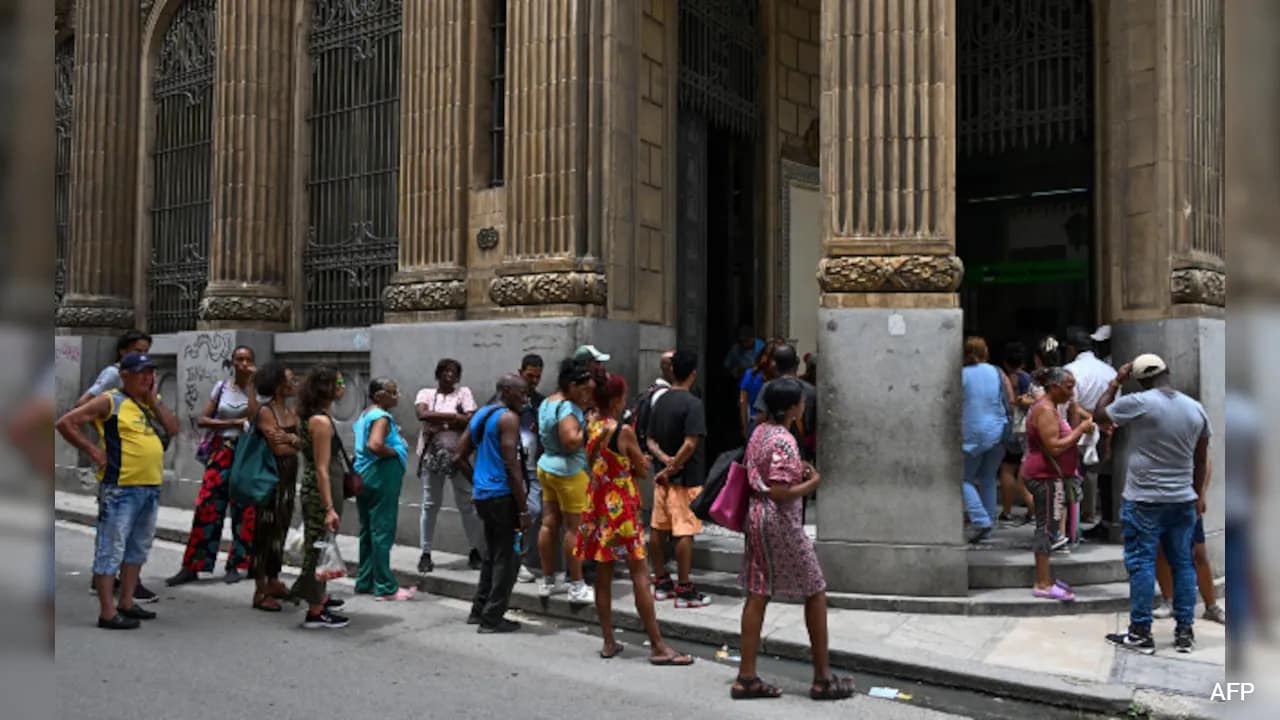
If you planned to pack your bags for Havana and figure out the money situation when you landed, change your plans right now. Plastic is officially dead on the island for international travelers.
The Central Bank of Cuba dropped a bombshell announcement confirming that all Visa and Mastercard payments will be suspended on the island. The cutoff happens this week. If you rely on swipe-and-go convenience, you are going to land in a financial dead zone.
This isn't a glitch. It's the direct result of Executive Order 14404, signed by U.S. President Donald Trump on May 1. The order broadens Washington's financial chokehold, and the ripple effects are hitting foreign banks fast. An unnamed international banking partner that handles credit card processing for Cuba just pulled the plug on Fincimex SA, the financial arm of the state-backed military conglomerate GAESA.
Because that single thread was snapped, Cuba can no longer accept revenue from international credit and debit cards. Here is exactly what this mess means for travelers, why it happened, and how to survive a trip to Cuba without getting stranded.
The Reality of the Cuba Card Freeze
Let's clear up a massive misconception. Many travelers thought their European, Canadian, or Latin American cards were safe because they weren't issued by U.S. banks. That loophole is gone.
The suspension applies to all Visa and Mastercard transactions, regardless of which country issued the piece of plastic in your wallet. If it carries those logos, it won't work at Cuban hotels, restaurants, or government-run shops.
The timing couldn't be worse for the island. Cuba's economy is already buckled under fuel shortages, high inflation, and an ongoing energy crisis. Tourism was one of the few lifelines left. Major players are already running for the exits. Spanish hotel giant Meliá, a staple of Cuban tourism for decades, just announced it's shuttering operations and winding down its presence on the island due to the pressure.
When international hotel chains start locking their doors, you know the situation is critical.
Why the System Collapsed So Quickly
To understand why a U.S. executive order can stop a Canadian traveler from using a French-issued Visa card in Havana, you have to look at how money moves behind the scenes.
The U.S. Office of Foreign Assets Control (OFAC) gave international companies a tight deadline to adjust their operations or face severe penalties, including frozen assets and complete exile from the U.S. financial system.
When faced with a choice between doing business in the massive U.S. market or keeping a foothold in Cuba, foreign banks will choose the U.S. every single time. The foreign bank processing Cuba's card transactions looked at Executive Order 14404 and decided the legal risk was too high. They informed Cuban authorities that maintaining the contract was impossible.
The target here wasn't just the island's banks. The target was GAESA, the Cuban military business empire that controls everything from retail stores to luxury tourist resorts. By cutting off Fincimex SA, the U.S. effectively blocked the military's primary tool for capturing foreign currency from tourism.
How to Navigate Cuba Without Plastic
Honestly, traveling to Cuba has always required some financial gymnastics, but now it requires military-grade planning. If you are still going, you need to pivot your strategy immediately.
Bring Excess Physical Cash
Cash is king again. You cannot bring too much. Calculate your estimated daily budget for food, transport, tips, and emergencies, then double it. If you run out of money, no one can wire you funds easily, and you can't walk to an ATM to bail yourself out.
Know Your Currencies
Bring Euros or Canadian Dollars. While U.S. dollars are accepted in some private spaces, Euros are much easier to exchange at official exchange houses (CADECA) and are highly valued on the informal market. Avoid relying solely on U.S. cash due to shifting local penalties and exchange surcharges.
Leverage the Private Sector
The card ban heavily impacts state-run entities, hotels, and government shops. However, Cuba's independent private sector—known locally as mypimes—along with private bed-and-breakfasts (casas particulares) and private restaurants (paladares), operate almost exclusively on cash or alternative peer-to-peer transfers. Supporting these businesses keeps your money out of the sanctioned state apparatus and keeps you fed.
Prepay Everything Online
Before you board your flight, pay for whatever you can from home. Book your accommodations through platforms that allow total prepayment online. Secure your airport transfers and major tour bookings in advance so your ground cash is reserved strictly for daily living expenses.
The days of casual travel to Cuba are paused. If you don't adjust your financial strategy before landing in Havana, you will find yourself completely cut off from your funds. Pack your cash, plan your budget with zero margin for error, and don't expect a piece of plastic to save you.