The foreign policy establishment is having a collective meltdown over a spreadsheet.
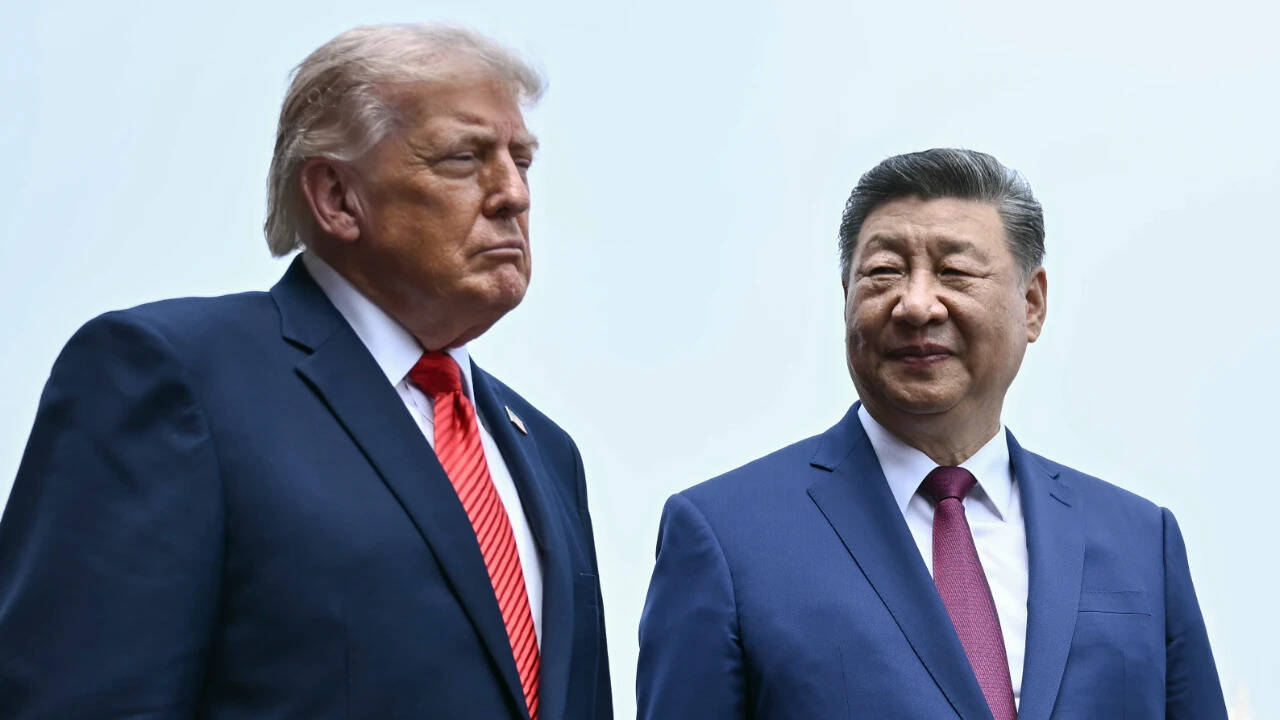
For months, pundits and Beltway analysts have fixated on a stalled $14 billion military hardware package for Taipei, framing it as Donald Trump’s ultimate "bargaining chip" to extract concessions from Xi Jinping on trade, rare earths, and artificial intelligence. The narrative treats sovereign security guarantees as loose change on a casino table—a transactional tool to be flipped, delayed, or traded away for a better quarterly economic headline. Read more on a related issue: this related article.
This framing is not just cynical. It is dangerously illiterate about how deterrence actually works.
The lazy consensus claims that pausing these arms sales is a masterclass in dealmaking, a way to keep Beijing at the negotiating table while extracting trade truces. I have watched corporate executives and political operators try to trade core leverage for temporary breathing room, and it always ends the same way: you look weak, your counterparty pocketing the concession while raising the price of admission. More analysis by Reuters highlights comparable perspectives on the subject.
When Washington turns missile batteries and interceptors into negotiable currency, it teaches Beijing a devastatingly simple lesson: pressure works.
The Arithmetic of Deterrence Is Not a Real Estate Deal
To understand why treating arms sales as a bargaining chip fails, you have to look at the machinery behind it. The $14 package isn't sitting in a warehouse ready for overnight delivery. It includes complex architectural components like NASAMS air-defense batteries, PAC-3 interceptors, and the Integrated Battle Command System designed to lock down Taiwan's airspace.
The American defense-industrial base is already bottlenecked, facing a multi-decade backlog of undelivered military hardware across global theaters. When the White House intentionally halts congressional notification for political theater, two things happen simultaneously. First, manufacturing velocity slows down. Second, and more destructively, it triggers a political crisis inside Taipei.
Skeptics in Taiwan’s legislature point to Washington's foot-dragging to argue that the United States is an unreliable partner, successfully gutting local defense budgets and stalling critical local spending bills. You cannot demand that allies spend more of their GDP on self-defense while simultaneously withholding the weapons they paid to order. That is not high-stakes diplomacy. That is sabotaging your own defensive perimeter while pretending you are playing four-dimensional chess.
The Gray Zone Trap
Beijing does not need to win a hot war to achieve its strategic objectives; it wins every time Washington blinks in the gray zone.
By treating the $14 billion package as a flexible variable in a trade summit, the administration invites Beijing to view every future weapons notification not as a routine treaty obligation under the Taiwan Relations Act, but as a bilateral concession that requires a quid pro quo. Every time Beijing threatens retaliation—whether through rare-earth restrictions or diplomatic freezes—and Washington delays a shipment in response, the baseline shifts.
This is how deterrence dies. It does not vanish in a sudden flash of naval combat; it erodes quietly, one delayed congressional notification at a time, until the cost of standing firm appears higher than the cost of abandonment.
If you want to negotiate with Beijing, you do not do it by putting your partner's survival on the auction block. You do it by making the cost of aggression too high to calculate. Stop looking for chips to trade. Start building walls that cannot be bought.