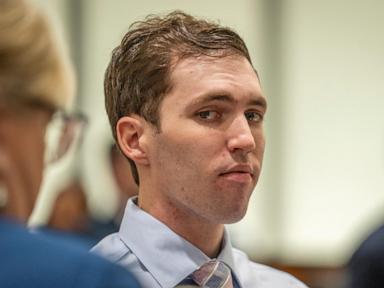
Justice shouldn't happen in the dark. It’s a simple premise. If we’re going to lock people up or decide the fate of massive corporations, we should be able to see how it happens. But for nearly a century, a tug-of-war has existed between the public’s right to know and a defendant’s right to a fair trial. The debate over cameras in courtrooms isn't just about technology or TV ratings. It’s about who controls the narrative of truth.
Right now, the United States is essentially a patchwork of conflicting rules. You can watch a high-stakes murder trial live in one state, but in a federal court across the street, you won’t even see a grainy still photo. This inconsistency doesn't make sense in 2026. We’re past the point where a lens is a distraction. The distraction is the secrecy itself.
Why We Started Fearing the Lens
The American Bar Association didn't just wake up one day and decide to hate cameras. They were spooked. You have to look back at the 1935 trial of Bruno Richard Hauptmann. He was the man accused of kidnapping and killing the Lindbergh baby. It was the "Trial of the Century" before that phrase became a cliché.
The courtroom was a circus. Flashbulbs were popping. Reporters were literally climbing on tables. It was chaos, and honestly, it was a disgrace to the legal process. Because of that mess, the ABA passed Canon 35, which basically banned cameras and radio broadcasting from courtrooms. They thought the tech was inherently degrading.
But look at what we’re dealing with now. Modern cameras are silent. They don’t need giant floodlights. They sit on a wall and nobody even notices them. The "circus" argument is a relic of a time when cameras were the size of microwave ovens. When people argue against cameras today, they aren’t really worried about the equipment. They’re worried about how people will behave when they know the world is watching.
The OJ Simpson Effect and the Rise of the Legal Pundit
If Lindbergh started the fire, the OJ Simpson trial in 1995 turned it into a supernova. That trial changed everything. It proved that a courtroom could be the highest-rated show on television. It also gave the anti-camera crowd their best ammunition.
Critics say that Judge Lance Ito lost control because of the cameras. They claim lawyers started performing for the audience instead of the jury. Witnesses became celebrities. The trial stretched on for months, partly because every motion was treated like a season finale.
But here’s the thing you have to consider. Did the cameras cause the circus, or did they just reveal the circus that was already there? Without the cameras, we wouldn't have seen the LAPD's systemic issues or the "if it doesn't fit, you must acquit" moment. We would have relied on second-hand accounts from reporters who had their own biases. The camera didn't lie; it just showed us a truth that many people found uncomfortable.
High Stakes and the Charlie Kirk Trial
More recently, the trial surrounding the killing of Charlie Kirk brought these tensions back to the surface. When high-profile figures or politically charged cases hit the docket, the demand for transparency hits a fever pitch. In the Kirk case, the public didn't just want a verdict. They wanted to see the evidence themselves. They wanted to hear the tone of the witnesses.
When you shut cameras out of a case like that, you invite conspiracy theories. People start wondering what the judge is hiding. They think the jury is being manipulated. Transparency is the only real antidote to the "fake news" era. If I can watch the raw feed myself, I don't need a pundit to tell me what to think. I can see the defendant's face. I can hear the hesitation in a witness's voice. That’s power.
The Federal Lockdown on Transparency
It’s wild that in 2026, the US Supreme Court and federal district courts remain largely off-limits to cameras. You’re telling me that the most important legal decisions in the country—decisions that affect your taxes, your body, and your rights—happen behind closed doors?
The Justices usually argue that cameras will "pollute" the process. They worry that people will take soundbites out of context. Sure, that happens. People take everything out of context on the internet. But the solution isn't to hide. The solution is to provide the full context so the public can see the whole picture.
Some federal courts have experimented with video, but it's always limited. It's usually "discretionary," which is just legal-speak for "if the judge feels like it." That’s not a standard. That’s a whim. We need a uniform rule that prioritizes the public’s right to witness their government in action.
Addressing the Common Fears
I get it. There are legitimate concerns. Let’s talk about them without the sugar-coating.
- Witness Intimidation: Some people are terrified to testify. If they know their face will be on YouTube forever, they might stay silent. This is a real issue, especially in gang trials or domestic violence cases. But we already have ways to handle this. Judges can mask identities. They can blur faces. We don't have to ban the whole broadcast just to protect one person.
- Grandstanding: Yes, lawyers are hams. They love a good monologue. But guess what? They grandstand even without cameras. They’re trying to win over a jury. That’s their job. If a lawyer is acting like a fool for the camera, a good judge will shut it down.
- Juror Privacy: We shouldn't show the jury. Period. Their lives shouldn't be ruined because they did their civic duty. This is an easy fix that almost every state with cameras already follows.
The Social Media Factor
We’re not just talking about nightly news anymore. We’re talking about TikTok clips and X threads. A trial can be memed into oblivion in three seconds. This is the new reality.
If courts don't provide a high-quality, official feed, the public will rely on grainy cell phone footage smuggled out of the gallery or "re-enactments" by influencers. By banning cameras, the courts are actually giving up control of the narrative. They're letting the most chaotic elements of the internet decide what the trial "means."
If you give people the raw data, you at least give them a chance to be informed. Most people won't watch a six-hour cross-examination. But for the researchers, the journalists, and the citizens who actually care, that record is vital. It’s a historical document.
Why Transparency is a Safety Valve
Think about the civil unrest we’ve seen over the last decade. A lot of that stems from a total lack of trust in the justice system. People feel like the deck is stacked. When a verdict comes down that people don't like, and they haven't seen the evidence that led to it, things explode.
Cameras act as a safety valve. Even if you hate the verdict, seeing the process can help you understand why it happened. You see the jury instructions. You see the evidence that was suppressed and why. You see that the judge followed the law, even if you think the law is wrong. That understanding is the difference between a functioning society and a riot.
Next Steps for the Justice System
We need to stop treating the courtroom like a sacred temple that can't be filmed. It’s a public office.
The first move is simple. The Judicial Conference of the United States needs to stop the "pilot programs" and just allow cameras in federal civil and criminal trials. Let the sun in.
Secondly, we need clear, national standards for how trials are broadcast. No more "judge's discretion" based on whether they're having a bad day. If it's a matter of public interest, the cameras should be on by default.
Lastly, we need to educate the public. A trial isn't a movie. It’s often boring. It’s full of procedural jargon and long silences. The more people see the reality of the law, the less they'll be swayed by the Hollywood version of justice.
Stop worrying about the "circus." The only way to stop the circus is to show everyone exactly what's happening in the tent. Turn the cameras on. Let us see for ourselves.



