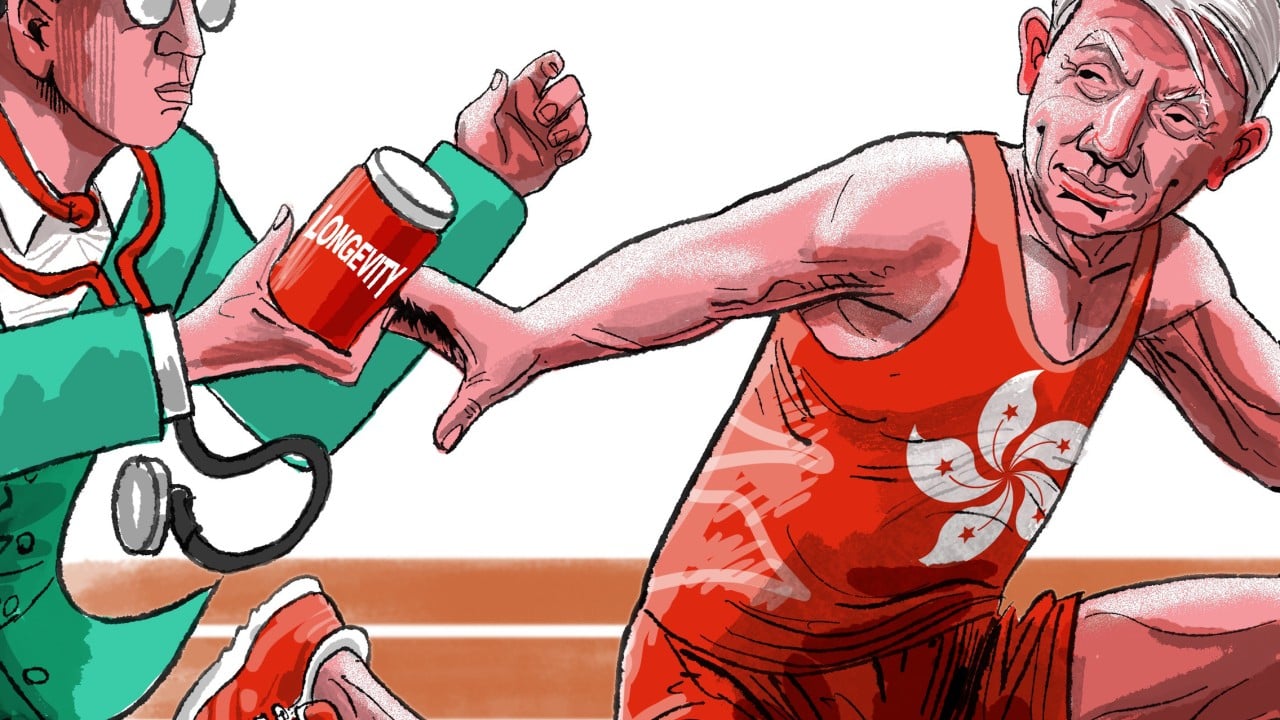
Hong Kong is aging faster than almost any other modern metropolis, yet its bid to become the global hub for longevity medicine is stalled by regulatory inertia and a fundamental misunderstanding of the silver economy. Wealthy seniors are willing to pay millions to extend their healthspan, but the city lacks the clinical infrastructure to support them. Right now, mainland capital and local elites are chasing unproven biotech startups while the public healthcare system buckles under the weight of chronic disease. Hong Kong can only lead this space if it bridges the gap between speculative investments and rigorous, regulated clinical practice.
The promise of longevity medicine relies on moving from reactive treatment to proactive cellular optimization. It is an enticing pitch for a city with the world’s highest life expectancy. But longevity is not merely a lifestyle trend for the ultra-wealthy. It requires a radical overhaul of medical diagnostics, clinical trials, and regulatory approvals.
The Gap Between Wealth and Wellness
Hong Kong possesses an enviable concentration of private wealth. Family offices are looking for the next big biotech breakthrough, pouring capital into companies promising to reverse cellular aging. Yet, a disconnect exists between this financial enthusiasm and clinical reality.
Money is flowing into supplements, private wellness clinics, and unapproved therapies. Most of these ventures operate in a regulatory gray zone. They offer genomic sequencing and metabolic tracking without a standardized framework to interpret the data.
- Private investment floods into early-stage biotech with little local clinical validation.
- Medical tourism remains focused on traditional check-ups rather than advanced longevity protocols.
- Public infrastructure remains hyper-focused on acute care, ignoring preventive longevity frameworks entirely.
This imbalance creates a two-tiered system. The ultra-rich buy access to experimental treatments abroad, while the local population relies on an overburdened public system that treats illnesses only after they manifest. If Hong Kong wants to monetize the silver economy effectively, it must turn these disparate investments into a cohesive, regulated industry.
Regulatory Bottlenecks Choking Innovation
The city’s medical registration system is notoriously conservative. For a new drug or therapy to be approved in Hong Kong, it historically required secondary registration from a list of recognized countries. While recent reforms like the "1+" mechanism aim to accelerate approvals for life-saving drugs, true longevity therapies do not fit neatly into these boxes.
Longevity medicine treats aging itself as the primary disease vector. Most global regulatory bodies, including Hong Kong’s Department of Health, do not recognize aging as a druggable condition. This creates a massive hurdle for clinical trials.
Imagine a local biotech firm developing a compound that clears senescent cells to prevent arthritis. Under current rules, they cannot run a trial aiming to "slow aging." They must target a specific, advanced pathology. This forces researchers to alter their focus, slowing down the commercialization of genuine longevity science.
The Problem With the Dual-Track System
Hong Kong’s healthcare relies on a strict divide between public hospitals and private practitioners. The public sector, managed by the Hospital Authority, handles over 80 percent of inpatient care but is starved for time and resources. Doctors in public clinics have mere minutes per patient. They cannot map a patient's biomarkers or design a customized longevity plan.
The private sector has the time but lacks the oversight. It operates with immense freedom, allowing clinics to market expensive, unverified anti-aging cocktails to eager consumers. This lack of standardization threatens the city’s reputation. A single high-profile scandal involving an unverified stem-cell therapy could destroy trust in Hong Kong’s entire medical ecosystem.
Lessons From Singapore and Shenzhen
Hong Kong does not operate in a vacuum. Nearby rivals are moving faster to capture the longevity market. Singapore has integrated geroscience into its national research strategy, funding large-scale cohorts to study Asian-specific aging biomarkers. They are treating longevity as a public health necessity, not just a luxury service.
To the north, Shenzhen benefits from the Greater Bay Area’s massive manufacturing and clinical trial capacity. Hong Kong’s advantage lies in its judicial system, intellectual property protection, and capital markets. It should be the place where global longevity tech is validated and financed.
Building the Greater Bay Area Clinical Pipeline
The true opportunity lies in cross-border cooperation. Hong Kong has world-class medical faculties at the University of Hong Kong and the Chinese University of Hong Kong. These institutions produce groundbreaking research on telomeres, gut microbiomes, and genetic modifiers of aging.
+---------------------------+     +---------------------------+
|  Hong Kong Universities   | --> |   Shenzhen Data & Trial   |
|  IP & Basic Research      |     |   Massive Patient Cohorts |
+---------------------------+     +---------------------------+
              |                                 |
              v                                 v
+-------------------------------------------------------------+
|          Validated, Scalable Longevity Therapies            |
+-------------------------------------------------------------+
By using mainland patient data and clinical trial speed alongside Hong Kong’s rigorous standards, the region could create a powerful pipeline. Currently, bureaucratic red tape prevents the smooth transfer of biological samples and medical data across the border, stalling this potential.
Shifting From Anti-Aging Hype to Evidence-Based Geroscience
The market is saturated with marketing buzzwords. True longevity medicine relies on measurable biomarkers, such as DNA methylation clocks, cardiovascular compliance, and advanced metabolic profiling.
Metabolic Markers (HbA1c, Fasting Insulin) ──> Cardiovascular Tracking (CAC Score, Pulse Wave Velocity) ──> Cellular Metrics (Telomere Length, Epigenetic Clocks)
To lead, Hong Kong needs to establish a definitive Longevity Excellence Center. This entity should standardize what qualifies as an authorized longevity protocol.
Without objective metrics, the silver economy remains driven by retail consumerism rather than medical advancement. Selling expensive supplements to wealthy retirees is a retail strategy. It is not an economic pillar. The city must incentivize private insurers to cover preventive longevity diagnostics, proving that keeping people healthy saves money in the long run.
The Economic Necessity of Longevity Infrastructure
The fiscal reality is stark. Hong Kong’s low tax base relies on a productive workforce. As the dependency ratio shifts, the tax burden on the shrinking youth population will become unsustainable.
"Treating age-related decline after it happens is an economic dead end for a city with Hong Kong's demographics."
👉 See also: Inside the Ebola Crisis Nobody is Talking About
The silver economy should not be viewed merely as a market for elder-care homes and retirement insurance. It must be viewed as an opportunity to extend the productive working lives of citizens. If individuals can remain healthy, mentally sharp, and economically active into their late seventies, the fiscal pressure lifts. This requires moving beyond cosmetic anti-aging treatments and focusing on functional longevity.
The capital is ready, the researchers are available, and the demand is unprecedented. The missing link is a regulatory environment willing to modernize its definitions of medicine. Hong Kong can either build a rigorous, world-class hub for geroscience or watch its wealth migrate to jurisdictions that offer better integration of cutting-edge health spans.