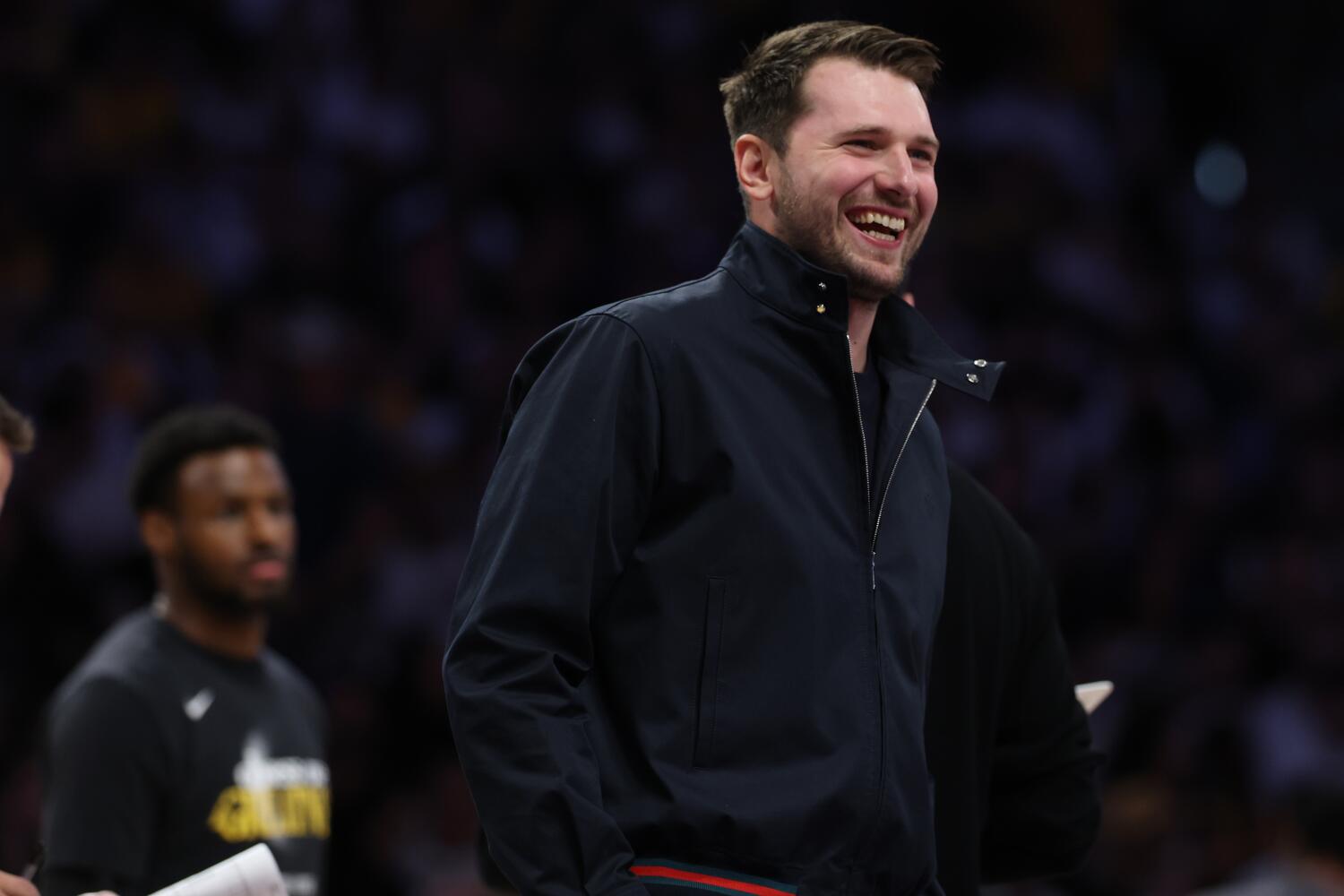
Los Angeles Lakers superstar Luka Doncic and former Dallas Mavericks executive Donnie Nelson have finalized the acquisition of Italian Serie A basketball club Vanoli Cremona, planning an immediate relocation to Rome. This transaction fulfills Doncic’s personal ambition to own a European franchise, yet its true significance lies in a larger corporate blueprint. The group has leveraged this acquisition to secure an essential Italian first-division license, positioning the newly uprooted franchise as the frontrunner for an expansion slot in the NBA’s long-rumored European league. Behind the romanticism of a generational star returning to his roots is a cold, calculated bet on the geopolitical reorganization of basketball.
The deal highlights the changing relationship between domestic leagues, the EuroLeague, and the commercial ambitions of the league offices in New York. By absorbing a small, historically community-backed club from Lombardy and transferring its sporting rights to the Italian capital, the investment group has bypassed years of traditional promotion and relegation criteria. This move effectively creates a multi-million dollar corporate vehicle designed to align with Commissioner Adam Silver’s vision for a continental expansion that could launch as soon as late 2027.
The Shell Game of Domestic Licenses
To understand the mechanics of the purchase, one must look past the star power of Doncic and examine the bureaucratic framework of the Italian Basketball Federation (FIP). In European basketball, a club is not merely a brand. It is an active participant in a rigid sporting ladder. Rome, despite its status as a global capital and an untapped media market, currently lacks a competitive top-tier basketball program. Building a franchise from the lower divisions upward takes time, capital, and the unpredictable variables of local sports promotion.
Purchasing Vanoli Cremona solves this problem immediately. The northern Italian club possessed what the Nelson-led consortium required, which was a stable, fully compliant Serie A license.
Italian basketball regulations historically dictate strict guidelines regarding name changes and physical relocation, often requiring transitional periods to protect the integrity of regional competitions. By gaining FIP approval for a move to the Lazio region, the investment group successfully executed a corporate carve-out. Vanoli Cremona, a modest model of provincial basketball sustainability for two decades, disappears from Lombardy. A new, internationalized Roman entity takes its place at the top of the pyramid.
This operational maneuver has drawn sharp criticism from domestic purists who view the displacement of a historic franchise as standard predatory capitalism. For the investors, however, it was a structural necessity. The NBA’s blueprint for its European expansion relies heavily on established major-market presence.
A franchise based in Cremona, with a population hovering around 70,000, would never fit the broadcast profile desired by North American media executives. Rome, with its international appeal and the historic PalaEur arena, provides the necessary scale.
The Geopolitical Fight for Europe
The NBA’s official partnership with FIBA to construct a distinct NBA Europe ecosystem represents an existential threat to the EuroLeague, which has served as the continent's premier club competition for a quarter of a century. The battle lines are drawn over media rights, player pipelines, and corporate sponsorships.
EUROPEAN BASKETBALL LANDSCAPE: THE EXPANSION BATTLE
┌─────────────────────────────────┐       ┌─────────────────────────────────┐
│       THE EUROLEAGUE MODEL      │       │       THE NBA EUROPE PLAN       │
├─────────────────────────────────┤       ├─────────────────────────────────┤
│ • Legacy club ownership         │  vs   │ • Franchise system              │
│ • Protectionist ecosystem       │       │ • Projected $1B expansion fees  │
│ • Volatile media revenues       │       │ • Institutional backing (PIF)   │
└─────────────────────────────────┘       └─────────────────────────────────┘
The EuroLeague operates as a semi-closed shop, dominated by historical giants like Real Madrid, Barcelona, and Panathinaikos. It is a system built on protectionism, and it is financially vulnerable. Despite high viewership and intense fan loyalty, EuroLeague clubs routinely operate at a loss, heavily subsidized by parent football clubs or wealthy individual benefactors.
The NBA sees an opening here. By dangling the carrot of a centralized franchise system, North American distribution networks, and institutional investment, the league aims to capture major European metropolitan areas before the EuroLeague can stabilize its own financial house.
The entry fees for these new franchises are projected to exceed $1 billion for prime markets like London or Paris. The Rome group, backed by Nelson's sports administration background and capital from various investment vehicles, is attempting to purchase its way into this exclusive club at a steep discount by securing the local infrastructure early.
The Player Ownership Paradox
Doncic’s involvement as a minority shareholder introduces a complex regulatory gray area that the NBA front office has yet to formally resolve. Current collective bargaining agreements and league bylaws strictly prohibit active players from holding equity in North American NBA franchises. This prevents conflicts of interest, salary cap circumvention, and the blurring of management-labor boundaries.
The rules governing international leagues, however, remain ill-defined. The NBA has previously capped active player ownership in foreign entities at 5% to prevent active superstars from wielding undue influence over international pipelines.
Doncic’s dual role as the foundational star of the Los Angeles Lakers and a partial owner of a team seeking entry into the NBA’s official European extension presents obvious complications. If the Roman franchise eventually integrates into an NBA-sanctioned continental league, can an active player legally sit on its board?
The answer is currently unclear. The NBA's league office is reportedly advising investment groups on a case-by-case basis, working closely with the National Basketball Players Association (NBPA) to establish clear boundaries before the 2027 target launch.
Doncic has maintained that his current priority remains delivering a championship to Los Angeles, downplaying his day-to-day administrative role in Italy. Yet his name alone serves as the ultimate marketing tool, validating a project that would otherwise look like an opportunistic real estate play by American private equity.
Capital Influx and Arena Realities
The arrival of the Nelson-Doncic consortium has triggered a localized arms race within Italian sports infrastructure. A rival group, the Cotogna Sports Group, recently countered the narrative by signaling its own massive capital commitments to the region, including a €5 million bid targeting local development and arena modernization. This sudden influx of capital highlights how undervalued Italian basketball assets have been for the past decade.
The primary operational bottleneck for any European expansion team remains the stadium experience. Most historic European clubs play in municipal arenas that lack premium suites, modern corporate hospitality infrastructure, and advanced broadcasting facilities. Rome's PalaEur requires substantial capital expenditure to meet contemporary NBA broadcast standards.
PROJECTED INFRASTRUCTURE REQUIREMENTS: ROME FRANCHISE
┌───────────────────────┬────────────────────────────────────────┐
│ Operational Focus     │ Upgrade Requirement                    │
├───────────────────────┼────────────────────────────────────────┤
│ Premium Seating       │ Construction of corporate luxury boxes │
│ Broadcast Tech        │ Fiber-optic overhaul for 4K streaming  │
│ Revenue Generation    │ Transition to dynamic ticket pricing   │
└───────────────────────┴────────────────────────────────────────┘
The success of this investment depends on the ownership group's ability to transform a public venue into a high-yield entertainment asset. Without corporate boxes and premium hospitality rows, the franchise cannot generate the local match-day revenue required to offset the massive travel and operational costs inherent in a continent-spanning league.
The Myth of Global Synergy
The prevailing media narrative surrounding this transaction suggests a flawless integration of cultures. American sports executive expertise combines with a homegrown European prodigy to restore basketball glory to the Eternal City. This perspective overlooks the significant cultural differences between North American sports franchise management and European fan culture.
European basketball thrives on local identity, ultra-led fan sections, and sporting meritocracy through promotion and relegation. The closed-league, corporate-franchise model favored by the NBA treats sports primarily as content for media platforms. When a team can be bought in Cremona, stripped of its history, and dropped into Rome to satisfy an international expansion checklist, the core connection with the local fan base faces severe strain.
The new Roman club must build a brand-new audience from scratch in a city traditionally obsessed with football. They will need to convince a skeptical domestic sports culture that this project is a legitimate basketball club rather than a temporary corporate outpost for North American media companies.
Donnie Nelson's deep ties to international basketball scouting provide the group with an advantage in player development. It was Nelson who identified a teenage Doncic in Madrid, understanding how his game would translate to the modern NBA.
The long-term strategy for the Rome franchise relies on replicating this pipeline, transforming Italy into a primary development hub for international talent. By controlling a domestic Serie A team, the group can sign elite prospects across Europe, give them professional minutes in a respected domestic league, and prepare them directly for the NBA draft or the eventual NBA Europe platform.
This pipeline cuts out traditional European club powerhouses, positioning the new Roman franchise as a direct feeder system for the global market. Whether this model can successfully balance winning domestic trophies with developing individual prospects remains an open question, and one that older European clubs have struggled to answer for years.
The true test of the Doncic and Nelson venture will not be found in the celebratory press releases or the initial jersey reveals in Rome. It will be decided in the corporate boardrooms of New York, Geneva, and Munich, where the future governance of global basketball is currently being negotiated.
By purchasing Vanoli Cremona and moving it to the capital, the investment group has placed its chips firmly on a future where the NBA controls the European market. If the league's international expansion plans stall, or if the EuroLeague successfully defends its territory, this group will find themselves holding an expensive, displaced domestic club in a city that has historically shown little patience for sports projects that fail to deliver immediate results.