Donald Trump just hit the pause button on a conflict that had the world holding its breath. By extending the ceasefire with Iran on Tuesday, he's buying time, but he's not doing it for free. What's fascinating isn't just the delay in kinetic action; it's who he's thanking for the breather. Trump is publicly pinning the hopes of a "Peace Deal" on Pakistan's top brass, specifically Field Marshal Asim Munir and Prime Minister Shehbaz Sharif.
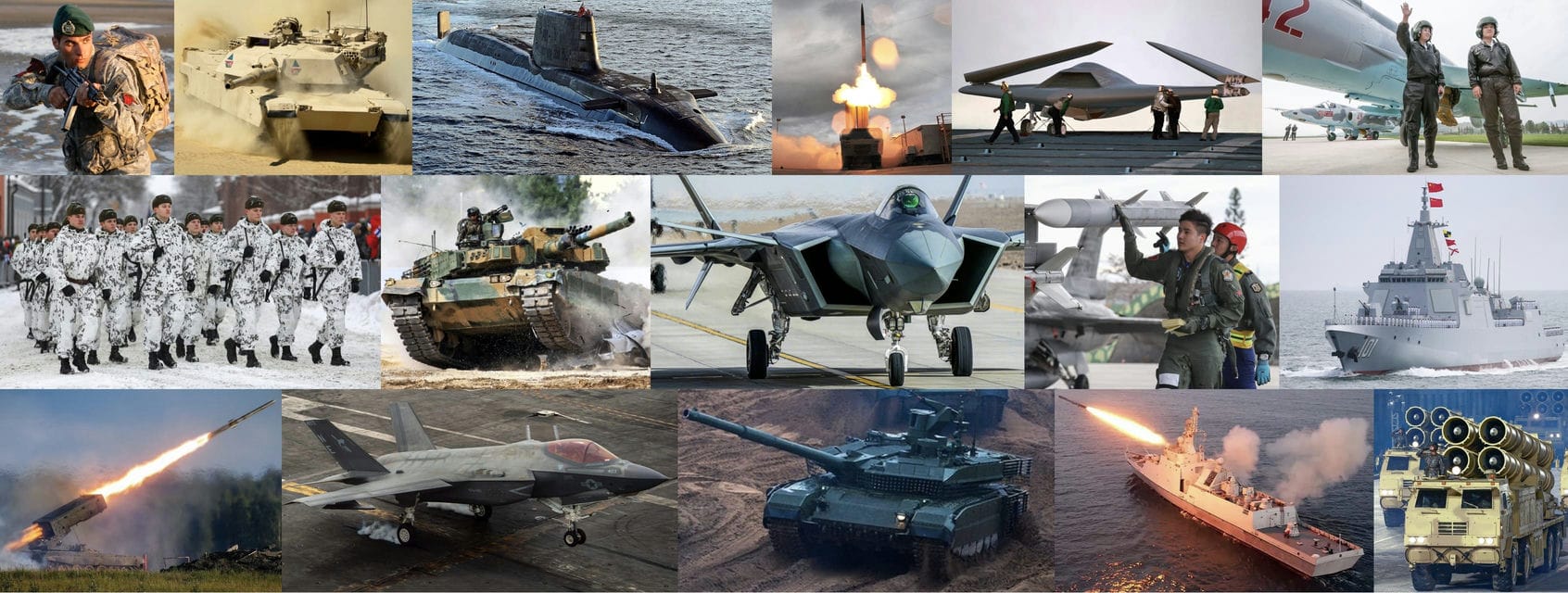
It's a high-stakes gamble. Trump's logic is blunt: Iran's leadership is "seriously fractured," and he’s waiting for them to stop bickering long enough to hand over a unified proposal. In the meantime, the U.S. naval blockade stays firmly in place, strangling Iran's economy while the bombers sit on the tarmac.
The Asim Munir factor
You don't usually see a U.S. President showering a Pakistani general with this much public praise. Trump called Munir a "highly respected general" and basically credited him with preventing a nuclear catastrophe between India and Pakistan back in 2025. Now, he's using that same relationship to manage the Iran mess.
Islamabad has become the unlikely center of the world's most dangerous diplomatic chess game. Trump admits that Munir and Sharif specifically asked the U.S. to "hold our attack" until Tehran can get its act together. This isn't just a courtesy; it's a strategic outsourcing of the ground-level diplomacy that the White House doesn't want to touch directly right now.
By leaning on Munir, Trump gets a few things:
- A buffer: If the talks in Islamabad fail, he can blame the mediators or the "fractured" Iranians rather than his own administration.
- Regional leverage: Pakistan has unique access to both the Iranian Revolutionary Guard and the political elite in Tehran.
- A "Golden Fleet" distraction: While the ceasefire holds, Trump is already talking about his next big project—building a new class of warships named after himself.
Why the fractured Iran narrative matters
Trump's claim that the Iranian government is "seriously fractured" isn't just a random observation. It's a calculated move to undermine Tehran's negotiating position. If you're telling the world your opponent can't even agree on a single proposal, you're telling them your opponent is weak.
The reality on the ground supports this to some extent. You've got the Iranian Parliament Speaker, Mohammad Bagher Qalibaf, trying to play the tough guy on social media, claiming they won't negotiate under the "shadow of threats." Meanwhile, the country is bleeding cash because of the blockade. Trump knows that a divided leadership is a desperate leadership. He's betting that the internal friction in Tehran will eventually force a "surrender" disguised as a deal.
The blockade is the real war
Don't let the word "ceasefire" fool you. The war hasn't stopped; it's just changed shape. By keeping the naval blockade active, Trump is keeping the Strait of Hormuz effectively closed to Iranian exports. This isn't just about military positioning. It's about $500 million a day in lost revenue for Tehran.
Trump was pretty clear about his "better attitude" in recent interviews. He’d rather be bombing because it’s more direct, but he’s giving the diplomatic route one last chance because Pakistan asked nicely. It’s the "classic" Trump approach: keep the military "raring to go" while using economic strangulation to do the heavy lifting.
What this means for the global economy
If you've checked your energy bills lately, you know why this matters. The standoff in the Strait of Hormuz has sent global energy prices into a tailspin. Every day this "ceasefire" continues without a permanent resolution is another day of market volatility.
While the UK and EU are scrambling to decouple gas and electricity prices to protect their citizens, Trump is playing a much longer game. He isn't just looking for a temporary truce. He wants a total overhaul of the nuclear question—the "one point that really mattered" during the failed 20-hour marathon talks last weekend.
The next steps for the region
The ball is now entirely in Tehran’s court, but the pressure is on Islamabad to deliver. If Field Marshal Asim Munir can’t produce a unified Iranian delegation with a serious proposal, the ceasefire extension will be short-lived.
Watch the following indicators over the next 48 hours:
- The Islamabad Schedule: Keep an eye on whether Vice President JD Vance actually gets back on a plane to Pakistan. If the U.S. delegation stays in D.C., the "unified proposal" from Iran hasn't arrived.
- Hormuz Traffic: Watch for any movement of Pakistani-flagged tankers. Trump has previously mentioned they were getting special passage; any change there signals a shift in the blockade's intensity.
- Internal Iranian Rhetoric: If the IRGC and the regular army (Artesh) start issuing conflicting statements, Trump’s "fractured" narrative is winning.
Don't expect a quiet resolution. This is a game of chicken where the stakes aren't just regional—they're global. Trump has set the stage, Munir is holding the curtain, and Iran is running out of time to decide if they're going to step into the light or stay in the wings while the bombs start falling.