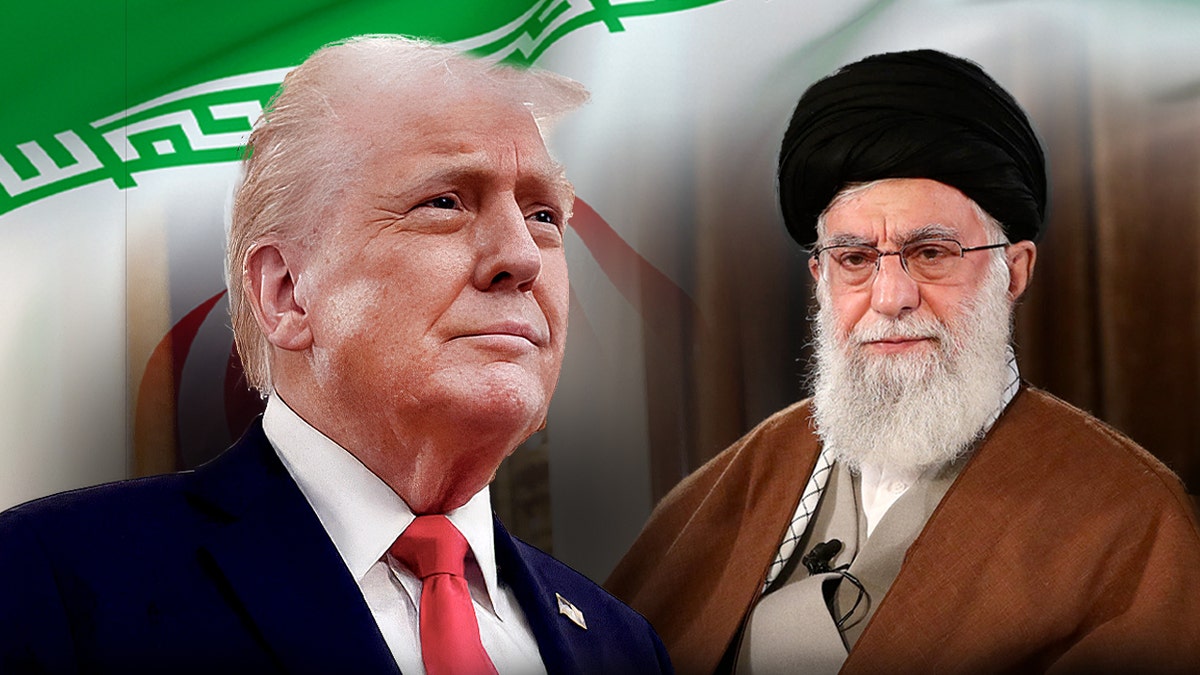
Donald Trump just hit the "extend" button on the U.S.-Israel ceasefire with Iran, but don't let the word "peace" fool you. While the clocks have stopped ticking toward an immediate all-out surge, the water around the Strait of Hormuz is anything but calm. I’ve watched these diplomatic teeter-totters for years, and this specific brand of "peace through pressure" is a high-stakes gamble that almost always leaks oil—literally.
Right now, we're looking at a bizarre reality where the guns are supposed to be silent, yet an Iranian gunboat just shredded the bridge of a container ship 15 nautical miles off the coast of Oman. If you're wondering how a ceasefire is holding while ships are getting peppered with gunfire, you're asking the right question. The answer lies in the fine print of Trump’s "blockade of a blockade" strategy.
The Strategy Behind the Extended Deadline
Trump’s decision to push the ceasefire deadline isn't a sign of softening. It's a logistical pause. By extending the truce "until such time as their leaders can come up with a unified proposal," the administration is putting the ball entirely in Tehran’s court. But there's a massive catch. The U.S. naval blockade of Iranian ports isn't going anywhere.
Trump made it clear on Truth Social that the blockade remains the primary lever. He’s basically saying, "We won't drop bombs today, but we’re going to keep suffocating your economy until you sign the deal we want." It’s a classic squeeze play. He’s betting that the internal economic pressure in Iran will force their negotiators to come to Islamabad with massive concessions.
But look at the ground reality. Iran isn't just sitting there. The IRGC (Islamic Revolutionary Guard Corps) is already "flexing muscle," as they put it. They’re using the anniversary of their founding to warn of "battlefield surprises." That’s code for asymmetrical warfare. They know they can't go toe-to-toe with a U.S. carrier strike group in a conventional fight, so they’re hitting the global economy where it hurts: the shipping lanes.
Damage off Oman and the Blockade Loophole
The attack near Oman today is the perfect example of why this "ceasefire" feels like a fiction. A container ship reported being approached and fired upon by an IRGC gunboat. The bridge took heavy damage. No one died, but the message was sent.
Iran views the U.S. blockade as a direct violation of the ceasefire terms. From their perspective, if they can't move their goods, the "truce" is just a slow-motion surrender. So, they hit back at commercial shipping. It’s a cycle that keeps the price of Brent crude hovering near $100 a barrel, making everyone from New York to New Delhi feel the pinch.
Why the Islamabad Talks are Stalling
- The JD Vance Factor: The Vice President’s trip to Pakistan was cancelled indefinitely. That’s a huge red flag. You don't cancel a VP-level diplomatic mission if things are going well.
- The "Dual-Use" Seizure: Just days ago, the U.S. Navy seized the Touska, an Iranian-flagged vessel. The U.S. claims it was carrying "dual-use" electronics and metals. Iran calls it "armed piracy."
- The 10-Point Plan: Iran rejected the Pakistani-mediated 45-day framework. They want their own 10-point plan, which likely includes an immediate end to the blockade—something Trump has explicitly refused to do until the Strait of Hormuz is "open, free, and clear."
Lebanon and the Parallel Crisis
While the world watches Iran, the situation in Lebanon is a messy sideshow that’s threatening to derail the main event. Trump brokered a 10-day ceasefire between Israel and Lebanon, but it’s a Swiss-cheese agreement.
Israel is still maintaining a "security zone" inside Lebanese territory. Netanyahu has been very blunt about this: he hasn't agreed to pull troops back to the international border. He wants Hezbollah dismantled. Hezbollah, meanwhile, says they have the "right to resist" as long as Israeli boots are on their soil.
I’ve seen this movie before. A ceasefire that allows "self-defense" strikes usually ends with someone "defending" themselves right back into a full-scale war. The Lebanese government is desperate for a long-term deal, but as long as Israel insists on a 10km buffer zone, the rockets will eventually start flying again.
What This Means for Global Markets
If you’re holding your breath for $70 oil, stop. The markets are reacting to the uncertainty of a "live" crisis. Every time Trump posts about "blasting Iran into oblivion," the price spikes. Every time a ceasefire is extended, it dips slightly, then recovers when a ship gets hit off Oman.
The real danger isn't just a missed delivery of electronics or grain. It’s the "technological transformation" of the conflict. We’re seeing reports of fraudulent maritime messages—scammers sent fake "safe passage" notices to shipping companies, demanding cryptocurrency to avoid Iranian "zones." The chaos is being monetized by third parties, adding layers of risk that the U.S. Navy can't just shoot away.
The Reality of the Blockade
The U.S. is currently enforcing what some analysts call a "blockade of a blockade." Iran tried to shut down the Strait of Hormuz; the U.S. responded by shutting down Iran’s ability to use its own ports.
It’s an aggressive posture that leaves zero room for error. If a U.S. destroyer sinks an Iranian ship because it refused to be boarded—like the close call with the Touska—the ceasefire ends in seconds. Trump’s "raring to go" comment to CNBC isn't just bravado; it’s a warning that the military is already locked and loaded.
Practical Realities for the Coming Week
- Shipping Rates: Expect insurance premiums for Gulf of Oman transits to skyrocket after today's bridge attack.
- Diplomatic Deadlock: Watch Pakistan. If there’s no movement on a new venue or date for the Vance-led talks, the ceasefire extension is just a countdown to a bigger explosion.
- Israel’s Buffer Zone: If Israel starts building "civilian settlements" or permanent infrastructure in the 10km zone in Lebanon, Hezbollah will break the truce.
Don't get distracted by the "ceasefire" headline. The blockade is the real war, and it’s happening right now in the engine rooms and cargo holds of merchant ships. The extension bought the diplomats a few more days, but it didn't buy anyone any actual security.
If you're tracking this, keep your eyes on the Strait of Hormuz. Everything else is just noise. Watch for whether Iran actually submits a formal proposal or if they continue to use the IRGC to signal their "unimaginable" response. The next move is Tehran's, but the U.S. Navy is the one holding the door shut.