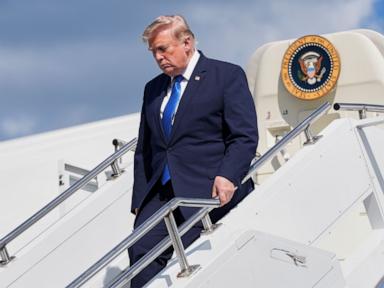
The five-month war with Iran is dangling on a knife-edge. President Donald Trump announced on social media that he is holding off on a massive wave of new military strikes. Why? Because regional allies reportedly hammered out the basic parameters of a fresh peace agreement.
If you have been watching the oil markets or tracking the constant cycle of escalation since the conflict kicked off on February 28, this sudden about-face feels like whiplash. Just a day earlier, the administration was threatening to hit Tehran harder than anything seen since World War II. Now, Washington claims a diplomatic off-ramp is suddenly within reach. Don't forget to check out our recent post on this related article.
What the Proposed Deal Actually Contains
Details are moving fast, but Trump laid out the core demands driving this sudden pause. According to his statements, the emerging framework requires two massive concessions from Tehran.
First is the immediate, complete opening of the Strait of Hormuz. Vital energy shipping lanes have faced relentless disruptions, drone attacks, and tanker seizures, choking global crude supplies. Second, the framework targets an end to Iran's nuclear weapons program. To read more about the background of this, BBC News provides an excellent summary.
Trump noted on social media that based on requests from Iran and other Middle Eastern mediators, he agreed to cancel imminent attacks on the condition that a deal gets finalized rapidly. Israel has also reportedly signed on to the commitment to try and close out the agreement.
Behind the Scenes Pressure From Riyadh
Diplomacy rarely happens in a vacuum. Before Trump posted his sudden reversal, Saudi Crown Prince Mohammed bin Salman placed an urgent phone call to the White House.
Riyadh is sweating bullets over potential U.S. escalations. Why? Because Saudi leadership knows Iranian retaliation rarely targets empty desert. If Washington unleashes devastating strikes against Iranian infrastructure, oil facilities across the kingdom and the broader Gulf face immediate danger.
The Saudis wanted clarity, and they pushed hard for a return to negotiations instead of a wider regional conflagration. Kuwait dealing with fresh drone strikes and tankers getting hit near Oman only added fuel to the fire. Nobody in the Gulf wants a full-scale regional meltdown.
Why Skepticism Remains High
We have seen this movie before. Back in mid-June, Washington and Tehran signed a fourteen-point memorandum of understanding meant to halt the fighting. That truce crumbled within weeks.
White House Press Secretary Karoline Leavitt pointed out the administration's deep frustration, noting that Tehran broke the previous agreement, fired on commercial shipping, and killed American soldiers. Even with the latest pause announced, the U.S. State Department just issued fresh security alerts for Americans across ten countries in the region, warning of potential flight cancellations and airspace closures.
Israel remains intensely focused on its own national security priorities, and trust between Washington and Tehran is basically non-existent.
Keep a close eye on shipping insurance rates and tanker traffic through the Strait of Hormuz over the next seventy-two hours. If commercial vessels start moving freely without getting harassed, this deal might actually stick. If another drone hits a regional asset by tomorrow morning, expect the military option to return to the table instantly.