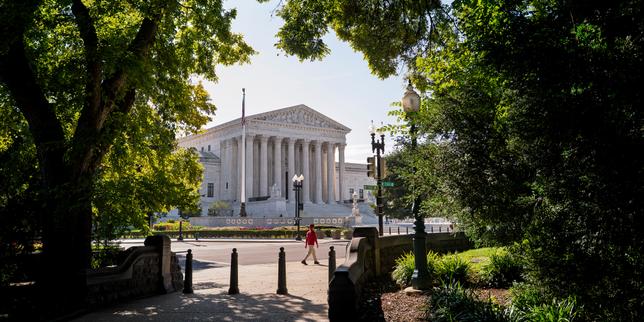
Donald Trump thought he could rewrite the rules of American elections right before voters headed to the ballot boxes. He was wrong. The U.S. Supreme Court slammed the brakes on an executive order designed to restrict mail-in voting, handing the administration a harsh reality check just weeks before the high-stakes midterm elections.
If you've been following American politics for more than five minutes, you know mail-in ballots have been a primary target for the Republican party ever since the 2020 election cycle. Trump and his allies have continually claimed, without hard evidence, that postal voting opens the floodgates to widespread fraud. But turning that rhetoric into an executive decree is a completely different ballgame.
The Legal Collision Course
The administration tried an end-run around state-level election laws, issuing a mandate intended to drastically tighten mail-in ballot procedures. Elections in America are decentralized by design. They're run by the states, not dictated by a single stroke of a pen in the Oval Office.
When federal courts and eventually the Supreme Court stepped in, they weren't just splitting hairs over legal technicalities. Lower courts pointed out the obvious: implementing sweeping procedural changes right before a national election creates absolute chaos. Millions of voters face a sudden risk of disenfranchisement when rules shift mid-stream.
Civil rights organizations like the American Civil Liberties Union (ACLU) jumped on the decision immediately, calling it a major win for democratic participation. From their perspective, making it harder for people to vote by mail directly suppresses turnout among demographics that historically lean away from the GOP.
Why the Midterms Made This Fight Personal
Timing is everything in politics. With the midterms looming and the Republican majority in the House and Senate hanging by a thread, every single procedural advantage matters. Mail-in voting has traditionally favored Democrats, who heavily encourage their base to vote early or through postal channels.
By trying to clamp down on these ballots, the administration wasn't just pursuing election integrity—they were executing a calculated defensive strategy. When the Supreme Court refused to let the restrictions take immediate effect, that strategy took a massive hit.
Trump didn't take the setback quietly, taking to social media to claim the ruling hands the opposition an easy path to rigged outcomes. Yet, legal experts note that the high court's refusal to bail out the executive branch exposes the hard limits of presidential overreach when it comes to voting laws.
The legal battle isn't entirely dead, as lower courts will continue picking apart the merits of the underlying challenges. But for the immediate future of the election cycle, the message from the judiciary was clear. You cannot rewrite the electoral playbook at the eleventh hour just because the political winds are blowing against you.
US Supreme Court Backs Trump on Mail-In Voting ...
This video provides an overview of the legal arguments surrounding the Supreme Court's decisions on mail-in voting restrictions ahead of the midterm elections.


