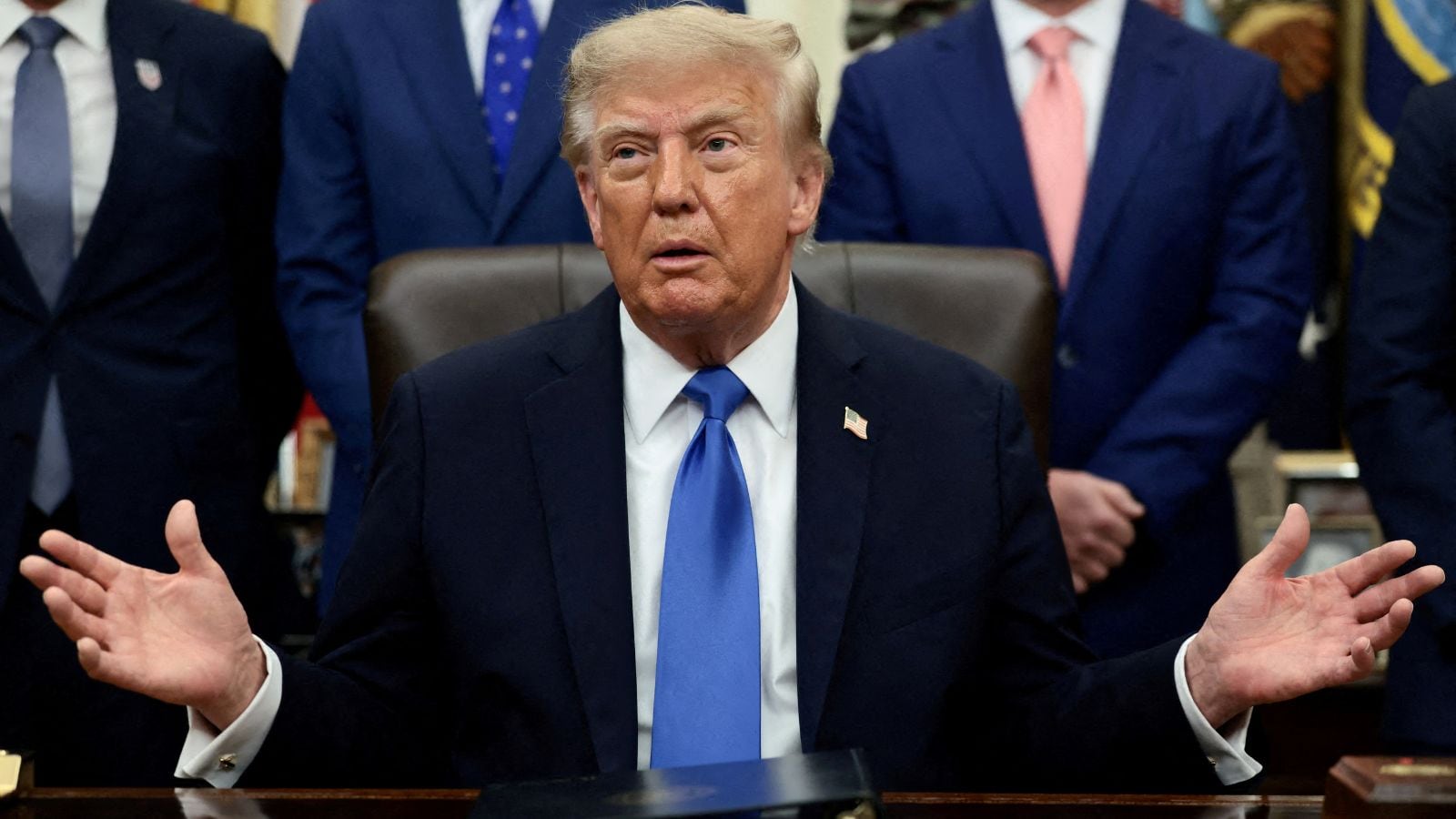
Biosecurity shouldn't be political. Yet, when global health scares hit the wire, the automatic reaction is often suspicion rather than solidarity. That's why Donald Trump stepping up to say the United States will help Russia handle a suspected plague case catches people off guard. It breaks the usual script of geopolitical posturing.
When a historic and terrifying pathogen like Yersinia pestis enters the conversation, borders stop mattering. Pathogens don't check passports. They don't care about sanctions, trade wars, or diplomatic standoffs. They just move.
The Reality of Modern Biosecurity Threats
We live in a world where a localized outbreak can turn into an international crisis in days. People forget that ancient diseases haven't vanished. They just sleep in animal reservoirs, waiting for an opportunity to jump. Russia has vast, remote regions where wild rodent populations carry the bacteria responsible for the plague. When local health authorities flag a suspected case, alarm bells ring globally, not just locally.
Trump’s stance cuts through the diplomatic red tape. Offering foreign aid during a potential biological threat isn't just about charity. It's self-preservation. Containment starts at the source. If you wait until a pathogen spreads across continents, you've already lost.
Critics will look at any cross-border cooperation with skepticism. They always do. They want every move decoded through the lens of political leverage. But public health experts know a different truth. Disease surveillance relies on transparency and mutual aid. Shutting down communication channels because relations are tense is a great way to invite a pandemic.
Why Past Epidemics Teach Us Hard Lessons
History shows us what happens when nations hide health crises out of pride or fear of economic retaliation. Information silos kill people. By publicly offering assistance, the former president flipped the script from adversarial silence to open observation and potential partnership.
Think about how fast rumors fly when a government stays quiet about a dangerous disease. Panic spreads faster than the infection itself. Clear, direct communication combined with offers of medical resources helps ground the situation in reality.
If American labs can provide diagnostic support, protective gear, or specialized treatments, stepping in is a no-brainer. It establishes a baseline of trust where scientific cooperation bypasses political hostility.
What Happens Next on the Global Stage
The situation remains fluid. Local Russian health agencies have to confirm the diagnosis and decide whether they actually need or want outside help. Sovereignty matters fiercely to Moscow. Accepting American medical aid is never a simple bureaucratic checkbox.
Still, planting the flag of cooperation early changes the diplomatic calculus. It shifts the burden of response.
Keep an eye on how international health organizations respond as details emerge. If the case turns out to be an isolated incident, the panic will fade as quickly as it arose. If it signals something larger, watch how fast old rivalries take a back seat to survival.
Pragmatism has to win when dealing with ancient killers. Trump offering a lifeline proves that even in deeply polarized times, the primal instinct to stop a plague still overrides the politics of division.