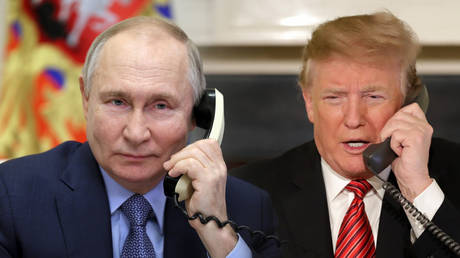
Every time Donald Trump and Vladimir Putin pick up the phone, capitals across the globe hold their breath. Headlines flash, analysts scramble, and foreign ministries work overtime to parse every carefully chosen word released by the Kremlin.
Yet, most mainstream coverage misses the mechanics of how these conversations actually drive high-stakes diplomacy. These calls aren't just polite exchanges of diplomatic pleasantries. They represent a distinct, back-channel approach to international relations that bypasses traditional bureaucratic delays. Expanding on this topic, you can also read: Thirty Thousand Bottles Vanished How Professional Thieves Stole Italy's Most Expensive Wine.
If you want to understand why these direct dialogues between Washington and Moscow matter so much, you have to look past the political theater and examine the real strategic calculations at play.
The Reality Behind Kremlin Readouts
When presidential aide Yury Ushakov steps up to brief reporters after a call between Putin and Trump, every phrasing choice is deliberate. Words like "constructive," "frank," or "substantive" carry heavy weight in diplomatic circles. Observers at BBC News have also weighed in on this situation.
Unlike traditional multilateral summits bogged down by hundreds of pages of pre-negotiated text, these direct phone conversations allow both leaders to test ideas in real time. They talk about the war in Ukraine, global energy markets, and regional stability without waiting for slow-moving State Department or Foreign Ministry channels.
Of course, tone doesn't equal a treaty. Kremlin readouts routinely emphasize areas of mutual agreement while glossing over deep, structural disagreements. Understanding this dynamic means recognizing that a friendly phone call rarely bridges a massive geopolitical chasm overnight. Instead, it opens a direct line of communication that both leaders use to signal intent, test boundaries, and manage escalation risks.
Why Washington and Moscow Keep Talking
The driving force behind these high-level phone calls is simple urgency. From Washington's perspective, maintaining a direct channel to Moscow is viewed as a necessary tool to manage ongoing conflicts and prevent accidental military escalations.
On the Russian side, direct engagement with the U.S. president serves a broader strategic objective. Moscow has consistently prioritized bilateral talks that position Russia as an equal superpower negotiating global architecture directly with Washington.
This dynamic often frustrates international partners. European capitals frequently worry about being sidelined in discussions concerning their own backyard, while Kyiv watches closely to ensure its sovereignty isn't bartered away in high-level phone diplomacy.
Cutting Through the Political Noise
It is easy to get caught up in the whiplash of breaking news alerts every time a conversation is announced. One week brings reports of heavy diplomatic friction, and the next features optimistic statements about future humanitarian exchanges or energy cooperation.
To make sense of it all, stop looking for instant peace deals from a single ninety-minute phone call. Watch the follow-up actions instead. Pay attention to whether special envoys travel, whether back-channel economic or humanitarian talks gain traction, and how allied nations respond to shifts in Washington's posture.
Direct leader-to-leader communication remains one of the most volatile forces in modern geopolitics. It can break deadlocks or create new misunderstandings just as quickly. Tracking these developments requires keeping a sharp focus on verifiable actions rather than rhetorical flourishes.