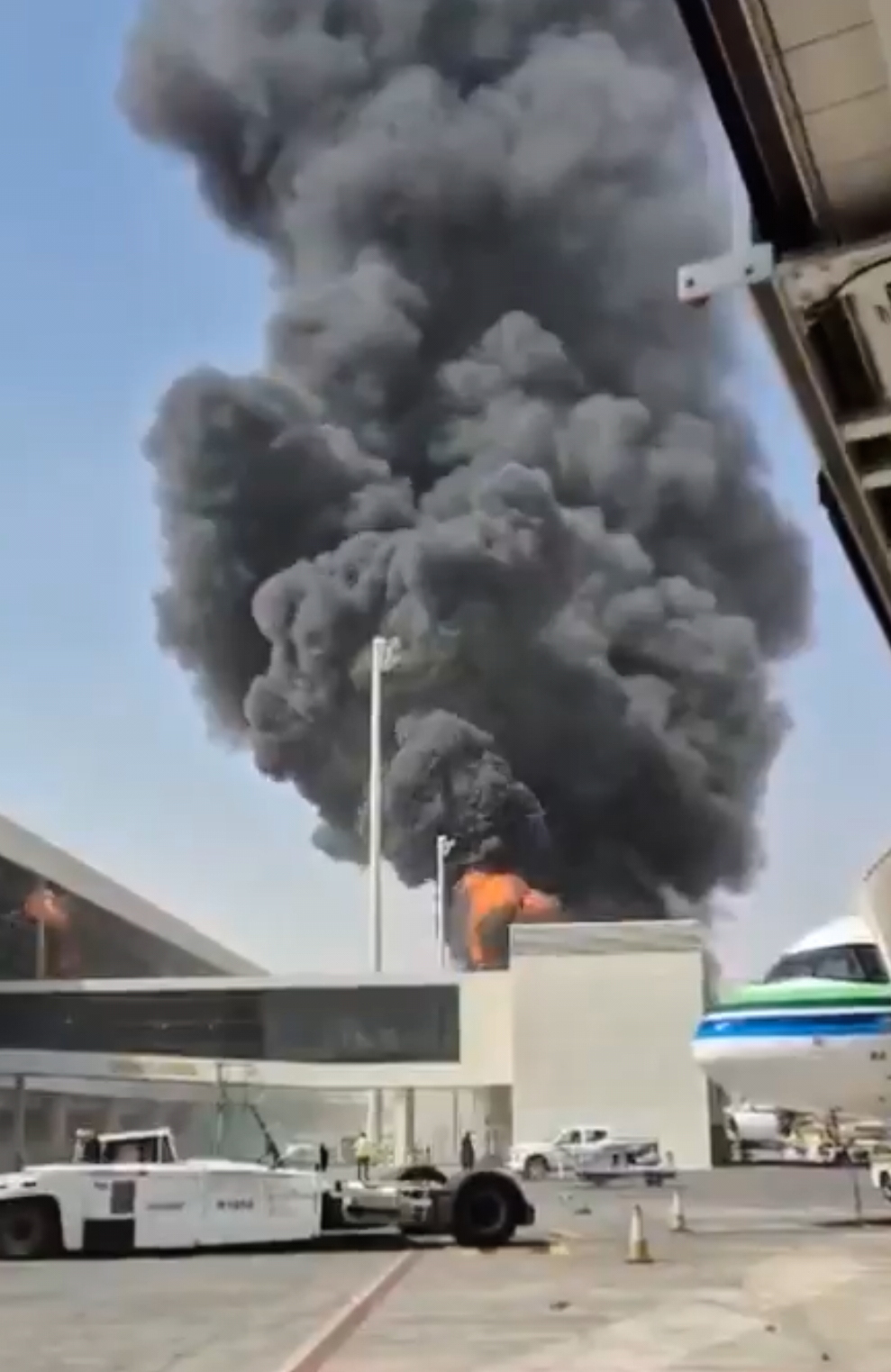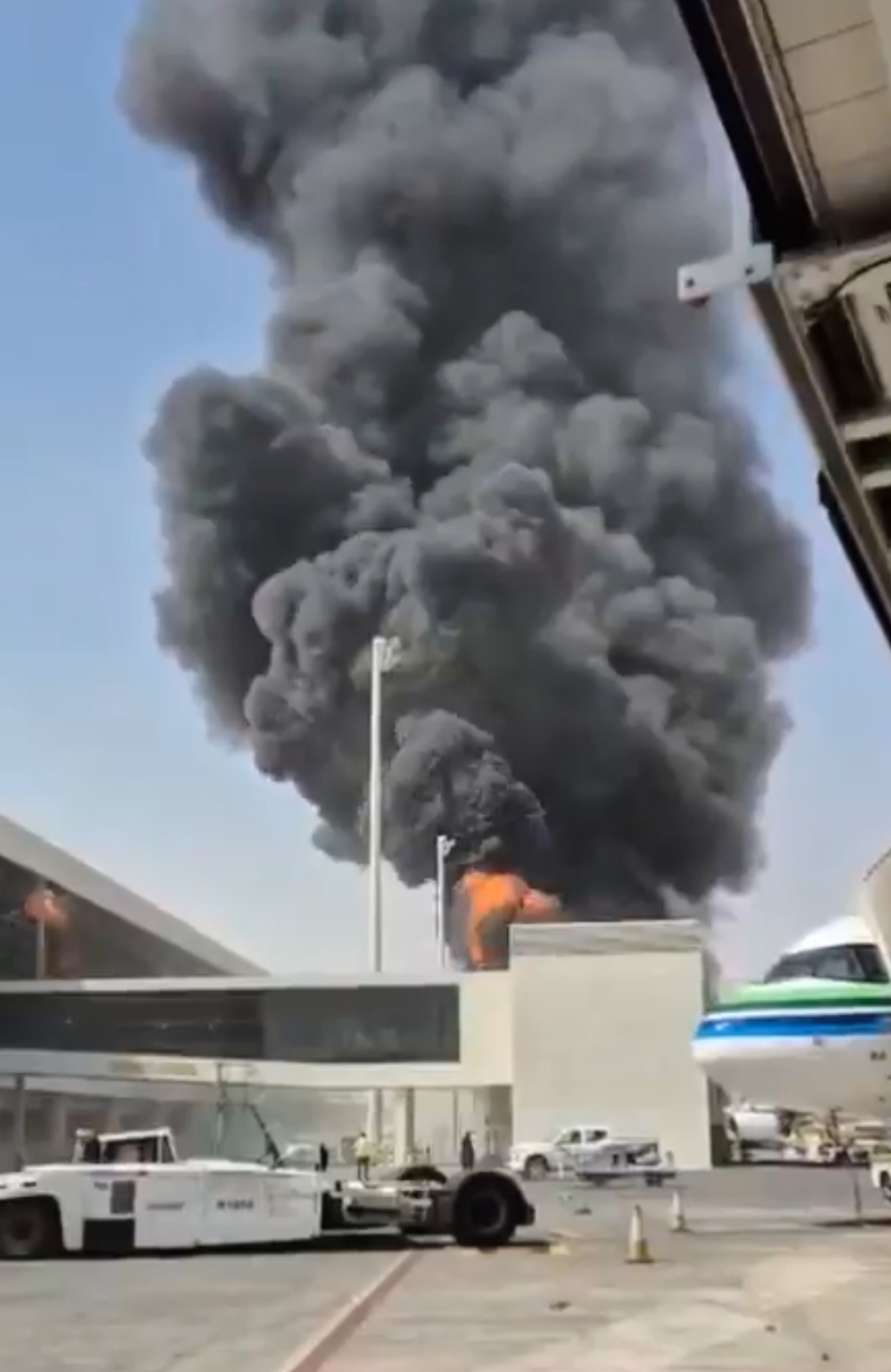
Geopolitical shocks rarely happen in a vacuum. When a lethal missile strike hits the tarmac at King Khalid International Airport in Riyadh, killing 12 people—including an American citizen—the calculus in Washington changes overnight. Donald Trump finds himself staring down a familiar Middle Eastern dilemma: stay out of a messy regional conflict, or step back into the fray to protect key allies and American lives.
For months, the White House tried to park the persistent wars tied to Iran and Yemen, hoping to keep U.S. entanglements to an absolute minimum. But the reality on the ground makes that stance nearly impossible to maintain. When you have commercial aviation paralyzed, hundreds injured, and foreign nationals caught in the crossfire, isolationism hits a hard wall.
The Breaking Point at Riyadh Airport
The sequence of events leading up to the current crisis escalated rapidly after a Saudi-led military offensive aimed at pushing back Houthi gains in Yemen. In retaliation, the Iran-backed group targeted critical infrastructure across the kingdom, culminating in the devastating strike on Riyadh's main aviation hub.
The numbers tell a grim story. Saudi aviation authorities reported 309 injuries alongside the 12 fatalities. Major international airlines immediately suspended flights, and Western embassies issued urgent travel warnings. When Secretary of State Marco Rubio stepped up to condemn the bloodshed and confirm the death of a U.S. national, the political pressure on the administration spiked.
Trump's response to reporters was characteristically blunt. Asked if the United States would join the military retaliation against the Houthis, he remarked, "We may. We're going to look at it. We just found out about the recent attack. So we'll make a decision. We move very quickly". That brief statement signals a potential about-face from a president who previously resisted appeals for direct intervention.
The Real Cost of Direct Military Action
Jumping back into the air war against Yemen's rebel forces sounds straightforward on cable news, but the operational realities are brutal. Previous military campaigns in the region carried staggering financial costs, running into billions of dollars a week while draining interceptor stockpiles.
Saudi Arabia itself has reportedly run low on missile interceptors, forcing Riyadh to look outward for air defense support from European and regional partners. If Washington commits military assets to back a Saudi offensive, the U.S. military risks pulling resources away from other pressing flashpoints, including ongoing naval security operations in the Red Sea and the Strait of Hormuz.
You also have to look at the broader energy market implications. Saudi Arabia remains the world's top oil exporter. When infrastructure near major airports and oil facilities takes hits from drones and missiles, global markets rattle instantly. Trump knows that prolonged regional instability inevitably trickles down to fuel prices at home, a political vulnerability no administration wants to manage.
Navigating the Diplomatic Tightrope
Behind closed doors, the diplomatic channels are working overtime. Omani diplomats have been pushing for de-escalation, trying to find an off-ramp before the tit-for-tat strikes spiral into an all-out regional conflagration. Oman often acts as the primary bridge between Western interests and Tehran-backed factions, making their mediation efforts critical right now.
At the same time, the administration faces a credibility test. If the White House ignores repeated attacks on a strategic partner after an American life is lost, deterrence loses its teeth. Yet, plunging headfirst into another open-ended Middle Eastern bombing campaign risks trapping the U.S. in the exact quagmire Trump promised voters he would avoid.
The decision facing the Oval Office isn't about whether to send a strong message. It's about calculating how much friction the U.S. economy and military can absorb to keep the skies over the Gulf secure. Expect a swift move, but don't expect clean answers once the smoke clears.