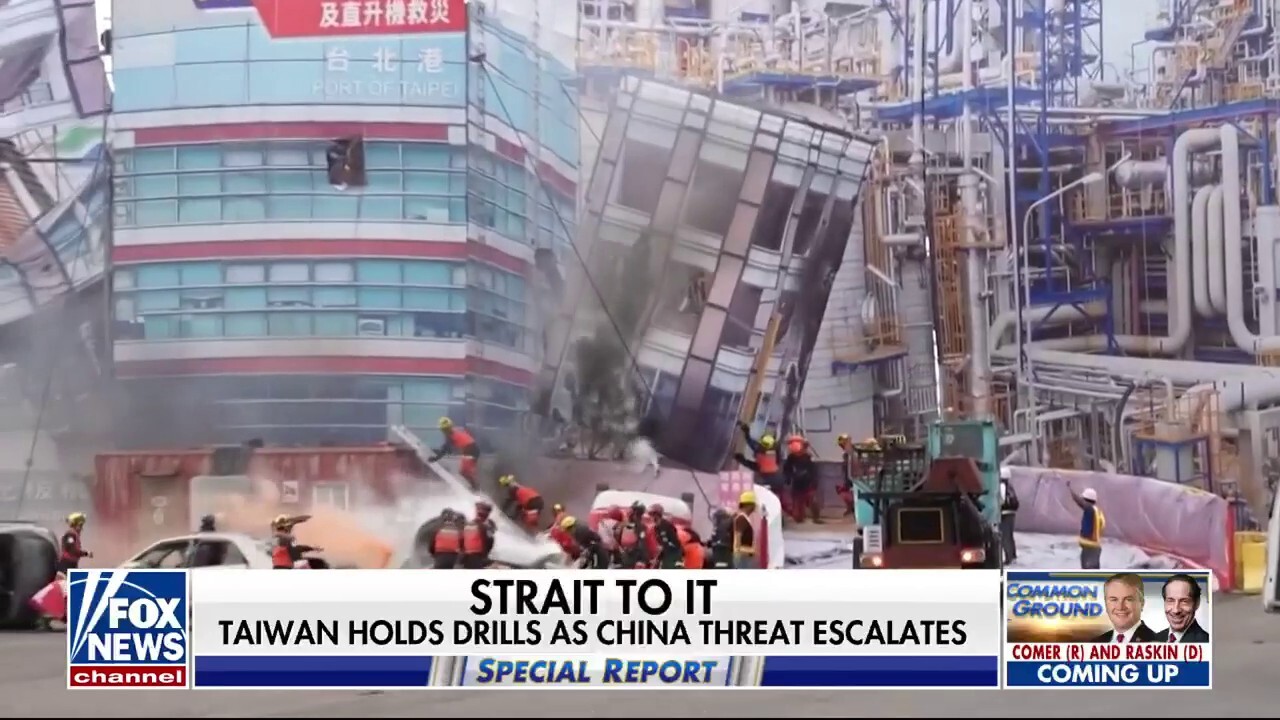
Foreign policy shifts rarely happen via a Sunday social media post, but that is exactly how Washington operates now. Donald Trump just ordered the Pentagon to substantially scale back joint military drills with South Korea.
If you are wondering why long-standing defense alignments are suddenly pivoting, the answer involves a mix of personal diplomacy, financial grievances, and a blunt rejection from Seoul regarding a separate conflict in the Middle East.
The Core Driver Behind the Drills Reduction
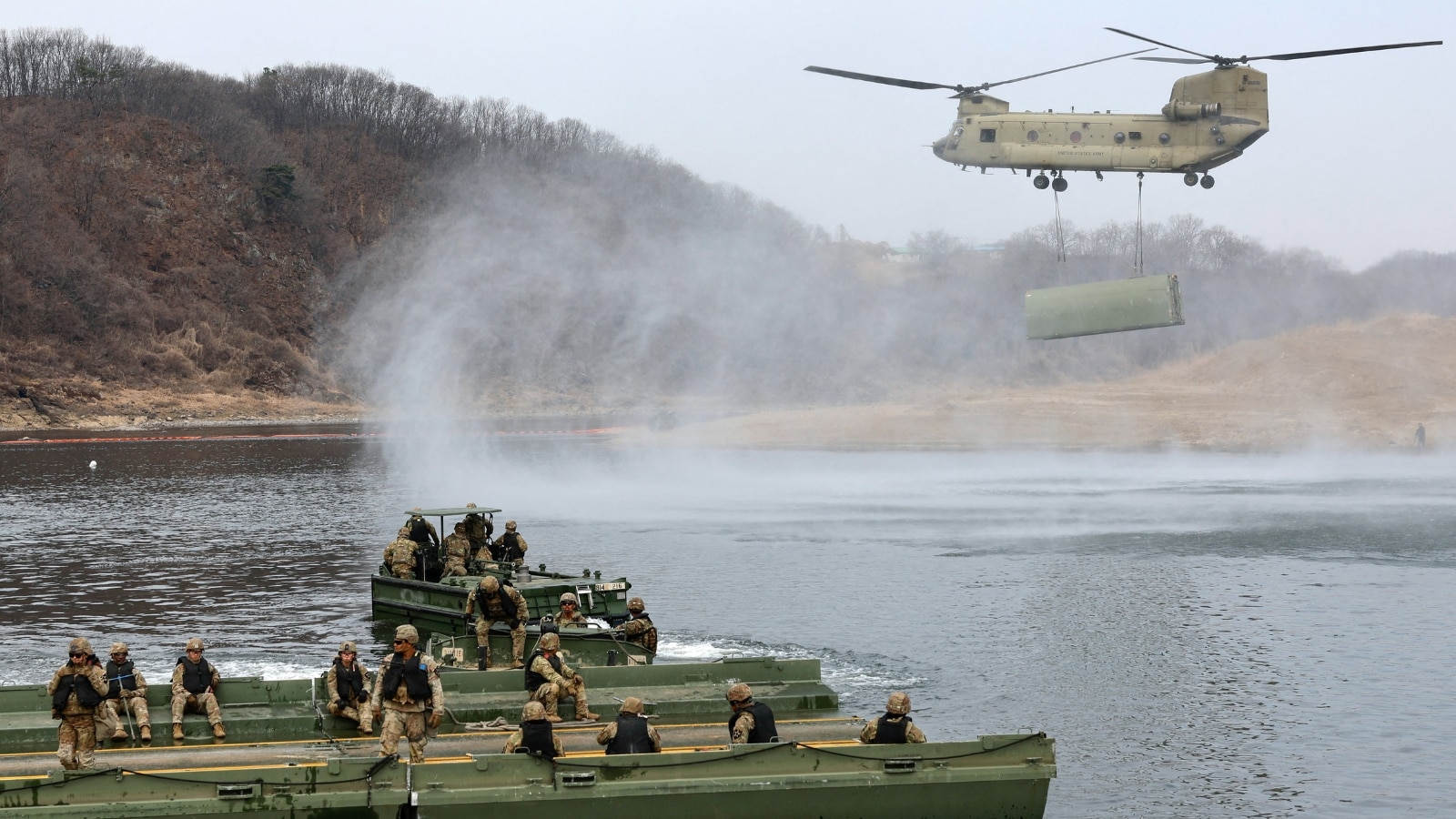
Trump announced his directive on Truth Social just as the annual Ulchi Freedom Shield exercises were set to kick off. These 11-day military maneuvers involve roughly 18,000 South Korean troops and are designed to test joint readiness, precision targeting, and counter-drone operations against North Korean aggression.
Yet, the White House sees things differently. Trump pointed straight to his personal rapport with North Korean leader Kim Jong Un. He argued that holding expensive exercises sends an "inappropriate and hostile" message to Pyongyang, especially since he claims North Korea has remained respectful during his presidency.
It is too late to scrap the maneuvers entirely, so Defense Secretary Pete Hegseth received direct instructions to shrink their scope.
The Iran Factor and Seoul's Refusal
There is another layer to this decision that surprised geopolitical analysts. Trump explicitly linked the scale-back to a diplomatic snub from South Korean leadership.
He shared that he recently asked South Korean President Lee Jae Myung to join Washington's efforts targeting the denuclearization of Iran. The response from Seoul was a polite rejection.
While Trump noted the two issues are "somewhat unrelated," coupling them together in the same breath highlights a transactional approach to foreign alliances. If partner nations decline to support American strategic priorities elsewhere, Washington may rethink its military footprint in their backyard.
Strategic Fallout in the Indo-Pacific
Critics and regional defense experts are already sounding alarms. Drawing down joint combat readiness creates anxieties in Seoul and Tokyo. For decades, these exercises formed the bedrock of deterrence against a nuclear-armed North Korea that continues to expand its missile arsenal.
Meanwhile, the Pentagon is already stretched thin. With naval resources shifting toward the Middle East due to the ongoing conflict with Iran, military planners are dealing with equipment delays and funding crunches. Scaling back exercises in Asia might save money, but it alters the deterrence equation in one of the world's most volatile regions.
Keep a close eye on how regional defense ministries adapt their operational planning as these reduced drills unfold through the end of August.
Check out this report from 7NEWS Australia for more details on the scaling back of military drills with South Korea.
http://googleusercontent.com/youtube_content/1