President Donald Trump just put the brakes on a sweeping package of Russia sanctions before those penalties could even take effect. Not a total repeal. Not a midnight erase of every Treasury rule on the books. Still, the move—signed via executive order on October 16, 2026—sidelines major pieces of the Graham Sanctioning Russia and Iran Act of 2026 just two days before they were scheduled to bite.
If you're wondering why Washington suddenly blinked on measures billed as punishing enough to squeeze Moscow hard, follow the fuel pump and the political calendar. Energy markets have been rattled by the war involving Iran. Midterm elections landed on November 3. Put those two pressures together, and you get a White House reaching for diesel supply and market calm while leaving plenty of angry lawmakers in its wake.
Let's be honest about what people get wrong first. Headlines love dramatic phrases like "bone-crushing sanctions" or claim Trump wiped out all U.S. pressure on Russia. Neither tells the whole story. Existing sanctions under older executive orders and Treasury rules still stand. What got waived are the heavy new tariffs and restrictions tucked into the Graham Act—including proposed tariffs reaching 500% on Russian goods and 100% on imports from qualifying buyers of Russian energy or sanctions evaders.
What the Russia Sanctions Waiver Actually Touches
To understand the fallout, you have to separate what was proposed from what was already active. Congress passed the Graham Sanctioning Russia and Iran Act of 2026 in mid-September, naming it after the late Senator Lindsey Graham, who spent months pushing tough economic leverage against Moscow before his death over the summer. Many of its headline penalties were set to roll out within 30 days—right around October 18.
Using waiver authority under Section 115 of the statute, Trump submitted a national-interest certification to Congress and blocked key provisions from kicking in. Those waived measures covered steep tariffs on Russian imports, potential secondary tariffs on major energy buyers like China and India, and fresh restrictions on energy investment, financial institutions, and commercial activity.
Here's the catch that legal analysts keep pointing out. Not every single line of the law vanished. Restrictions on U.S. persons buying Russian sovereign debt took effect upon enactment in September, and pre-existing Office of Foreign Assets Control (OFAC) sanctions—including asset freezes and financial prohibitions—remain in force. Nor does a White House executive order wipe out European Union restrictions or separate international obligations.
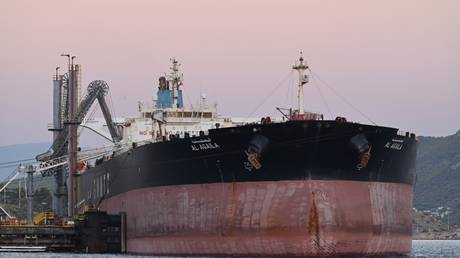
Shipping lanes and chokepoints explain why energy policymakers watch sanctions waivers like hawks. When conflict disrupts transit or refining capacity in one region, traders immediately price in tight supply everywhere else. Blocking secondary tariffs on big crude buyers keeps existing barrels moving to countries such as China and India instead of forcing an abrupt market shock.
Diesel Politics Meets Global Energy Reality
You can't separate the October 16 waiver from the diesel deal Trump announced a week earlier on October 9. On that day, the White House pointed to an arrangement involving Russian-origin diesel, and OFAC issued General License 135 authorizing transactions tied to the sale, delivery, offloading, or import of Russian-origin diesel fuel through April 7, 2027.
Trump claimed the effort would bring diesel prices down sharply. In Washington, nobody misses the timing: high fuel costs are political poison right before a midterm vote. With war involving Iran straining global energy markets and refinery disruptions tightening middle distillates like diesel, the administration argued it needed room to steady prices and protect national security.
Energy experts are way more skeptical about what happens at the local station. Tatiana Mitrova, a fellow at Columbia University's Center on Global Energy Policy, noted that while a broad sanctions waiver may prevent extra market upheaval, it doesn't magically conjure brand-new supply—and any relief at the U.S. pump from a diesel arrangement would likely be modest, slow, or barely noticeable to everyday drivers.
That gap between political promise and physical oil math is classic energy policy. Refineries, freight rates, blending specs, and global arbitrage don't bend overnight just because a license gets signed. A waiver can keep oil from getting more disrupted; it doesn't automatically hand consumers cheap fuel.
Why Congress and Kyiv Are Furious
Backlash on Capitol Hill was fast and bipartisan in tone, even where party lines split sharply on rhetoric. Lawmakers from both sides complained that the White House undercut a hard-won bill before its teeth could even sink in.
Republican Senator John Cornyn said Lindsey Graham would have been appalled, while Senators Rick Scott and Thom Tillis voiced sharp criticism of easing economic pressure on Moscow. Democrats went even harder. Senate Democratic Leader Chuck Schumer accused the administration of throwing a lifeline to Russia's economy, and Senator Elizabeth Warren argued Trump was sidestepping Congress and aiding Vladimir Putin's war effort. Representative Gregory Meeks introduced legislation aimed at blocking the Russian diesel deal outright.
Critics also zeroed in on two details that rankled legal and foreign-policy watchers:
- No clear expiration date: Unlike short-term maritime or vessel-specific windows used earlier in the year, the waiver order lacks a fixed sunset date, leaving it in place unless officials later decide to change course.
- Thin public detail: While the administration submitted a required national-interest certification and report to Congress, public details explaining the exact rationale remained sparse.
In Kyiv, Ukrainian President Volodymyr Zelenskyy warned that backing off pressure right as winter approaches leaves Ukraine's power grid and cities exposed to heavy missile and drone attacks, calling the diesel arrangement a financial boost for Moscow. Brown University political scientist Jeff Colgan summed up the blunt trade-off as looking like trading Ukrainian leverage for diesel. Meanwhile, Moscow didn't sit still—expanding state-appointed "temporary administration" measures over foreign-owned Russian subsidiaries.
What This Means If You Track Trade, Markets, or Policy
Don't treat a sanctions waiver as a green light to ignore compliance. That mistake trips up businesses every single time a headline says "sanctions eased."
Here is how to read the situation practically right now:
- Check the exact legal scope, not the headline. A waiver on new Graham Act tariffs or a temporary diesel license doesn't erase pre-existing OFAC designations, asset freezes, or earlier executive orders. Review specific license terms—including expiration dates like April 7, 2027 on General License 135—before moving cargo or payments.
- Watch energy spreads, not just crude. Crude oil headlines grab attention, but diesel and refined products tell you where bottlenecks actually live. Track refining margins, tanker routing, and Middle East shipping risks rather than assuming policy shifts instantly lower retail fuel costs.
- Expect more legislative friction. Even when lawmakers are in recess or divided over strategy, bipartisan anger over executive waivers tends to fuel oversight hearings, resolution pushes, and new bills—meaning rules can shift again once Congress presses harder.
If you're a business operator, pull up the official Treasury OFAC guidance and the text of the executive order rather than relying on cable news summaries. If you're following the geopolitics, watch two things next: whether energy prices cool on their own, and whether Congress finds the votes to push back once legislative battles intensify.


