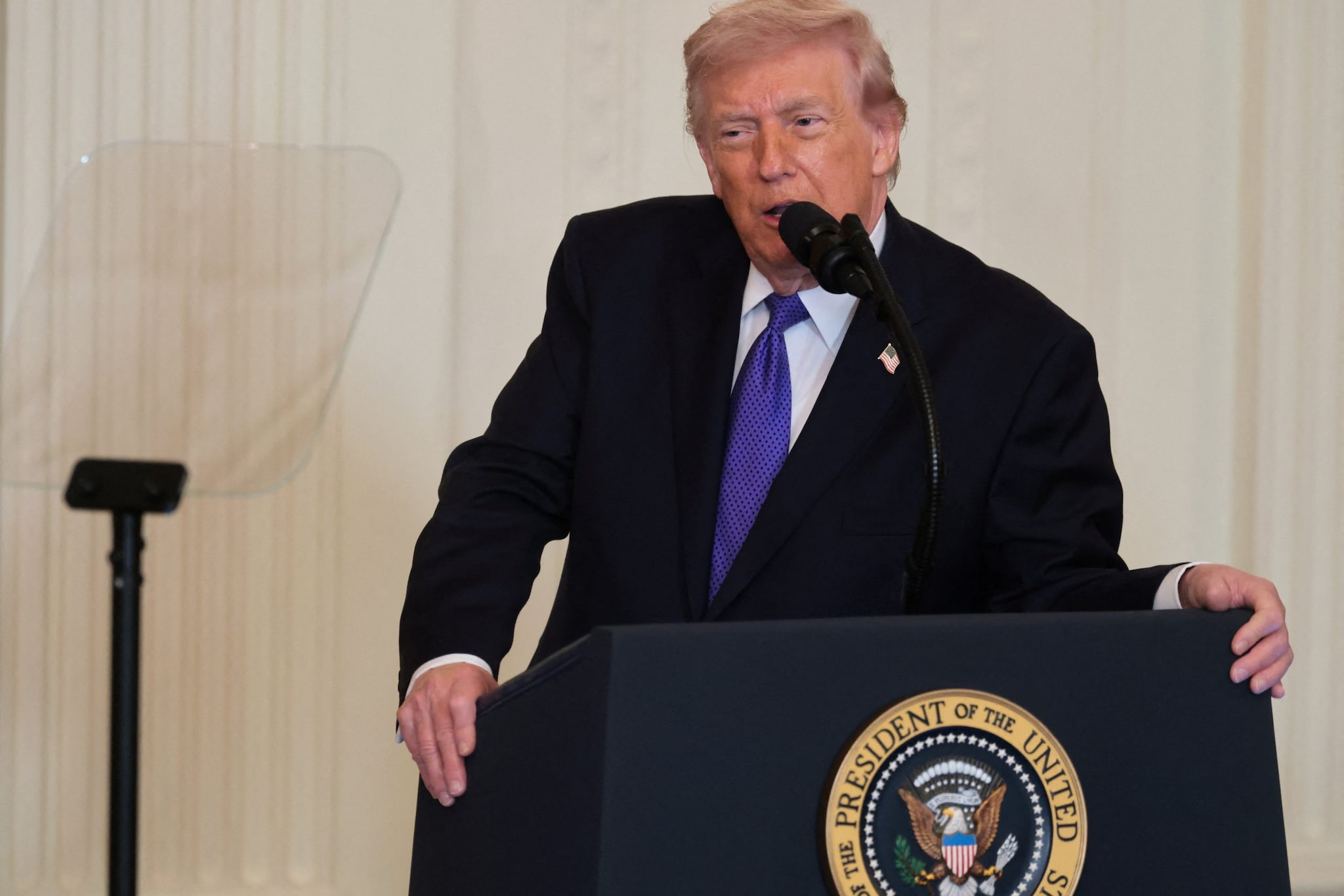
If you think the recent strikes on Kharg Island were just a one-off warning, you're not paying attention to how Donald Trump operates. This isn't about a surgical strike or a quick message. It's a total squeeze on Iran's jugular. The President basically told NBC News he might hit the island again "just for fun." While that sounds like classic Trump bravado, the reality on the ground is a lot more calculated.
Kharg Island is the terminal that handles nearly 90% of Iran's crude oil exports. It's their bank account. On Friday night, U.S. Central Command sent a clear signal by vaporizing over 90 military targets on the island—missile bunkers, naval mine storage, the works. But here's the kicker: they didn't touch the oil infrastructure. Not yet.
The Kharg Island Chess Move
Trump is playing a high-stakes game of "chicken" with the global economy. By destroying the military defenses around the oil terminal but leaving the pumps intact, he's holding the Iranian economy hostage. If the IRGC tries to follow through on their threats to shut down the Strait of Hormuz, those oil rigs go up in smoke. It's that simple.
I've watched this play out before, but never with this much on the line. Critics say he's being reckless, but from a strategic standpoint, he's created a situation where the Iranian regime has no good options. If they fight back, they lose their only source of income. If they don't, they look weak while their military assets get dismantled piece by piece.
Why the Allies Are Getting a Wake Up Call
The President isn't just looking at Iran. He’s looking at America's allies and he’s tired of footing the bill for their energy security. He’s been very blunt: if you want the oil flowing through the Strait of Hormuz, you better start sending your own warships to protect it.
He specifically name-checked the UK, France, China, Japan, and South Korea. His logic is hard to argue with, even if the delivery is abrasive. Why should American sailors risk their lives to protect oil headed for a port in Shanghai or Tokyo while those countries sit on the sidelines?
- The U.S. Stance: We’ll help, but we won't do it alone anymore.
- The Allies' Dilemma: Japan is citing its pacifist constitution, and France is waiting for "stabilization."
- The Reality: 20% of the world's oil moves through that narrow 21-mile wide passage. If it stays closed, the global economy hits a wall.
Surprising Details You Might Have Missed
While the headlines focus on the explosions, there are a few things happening under the radar. For one, satellite imagery from TankerTrackers.com actually showed two massive tankers loading at Kharg just hours after the strikes. Iran is trying to prove it's still in business. It's a desperate move to get as much cash as possible before the next round of strikes hits.
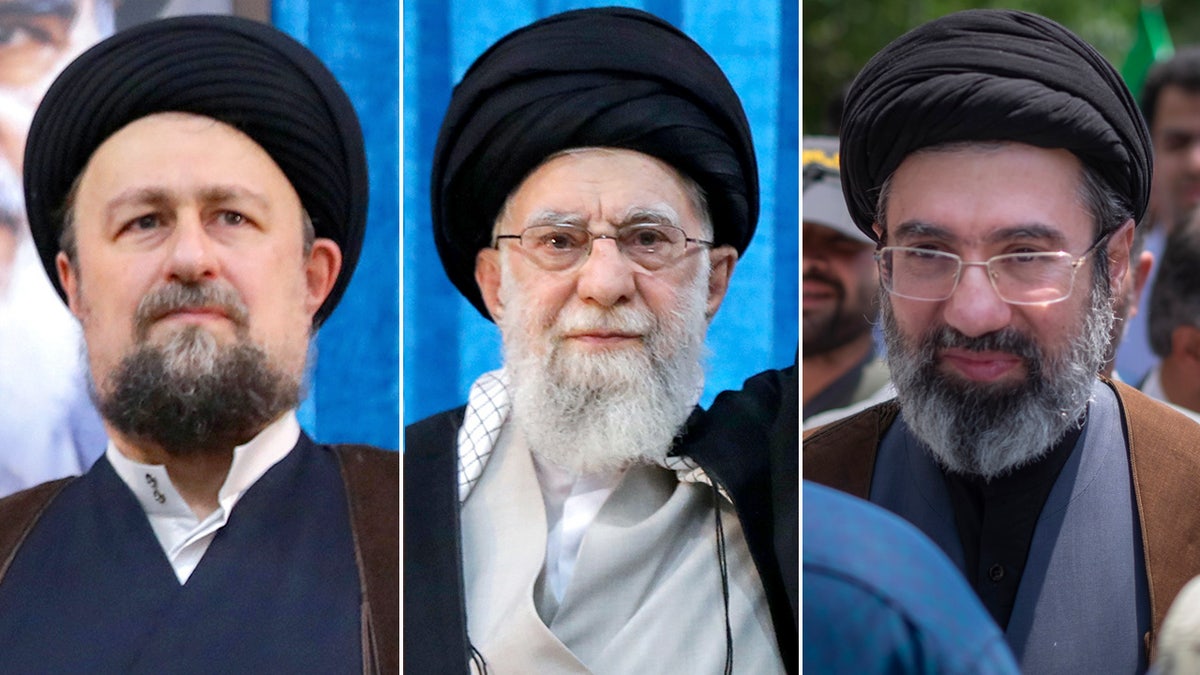
Then there’s the leadership vacuum in Tehran. Rumors are swirling about the fate of the new Supreme Leader, Mojtaba Khamenei. Trump even questioned if the guy is still alive. Whether he is or isn't, the Iranian response has been predictable: threatening U.S. corporate interests and "hideouts" in the UAE.
What Happens Next
Don't expect a quick peace deal. Trump already shot that idea down, saying "the terms aren't good enough yet." This means the pressure stays on.
If you're tracking the markets, watch the Strait of Hormuz. The U.S. is moving 2,500 Marines and an amphibious assault ship into the area. They aren't going there for a vacation. They're going there to "sweep the strait" of mines.
Expect more "precision" strikes that target everything except the oil—until Iran makes a move they can't take back. If you have interests in the region or rely on stable energy prices, keep your eyes on the UAE ports. They’re the next likely targets for Iranian retaliation.
Don't wait for a formal declaration to change your logistics or energy hedging strategies. The "team effort" for maritime security is starting now, whether the allies are ready or not.