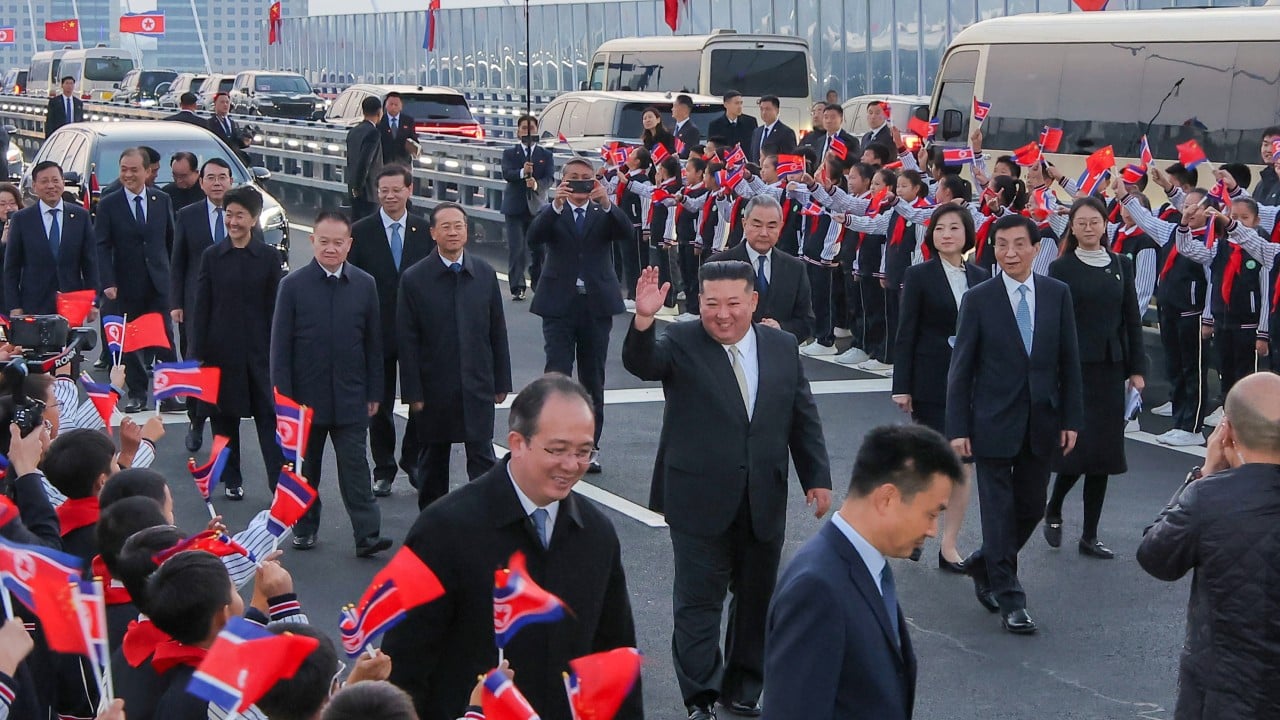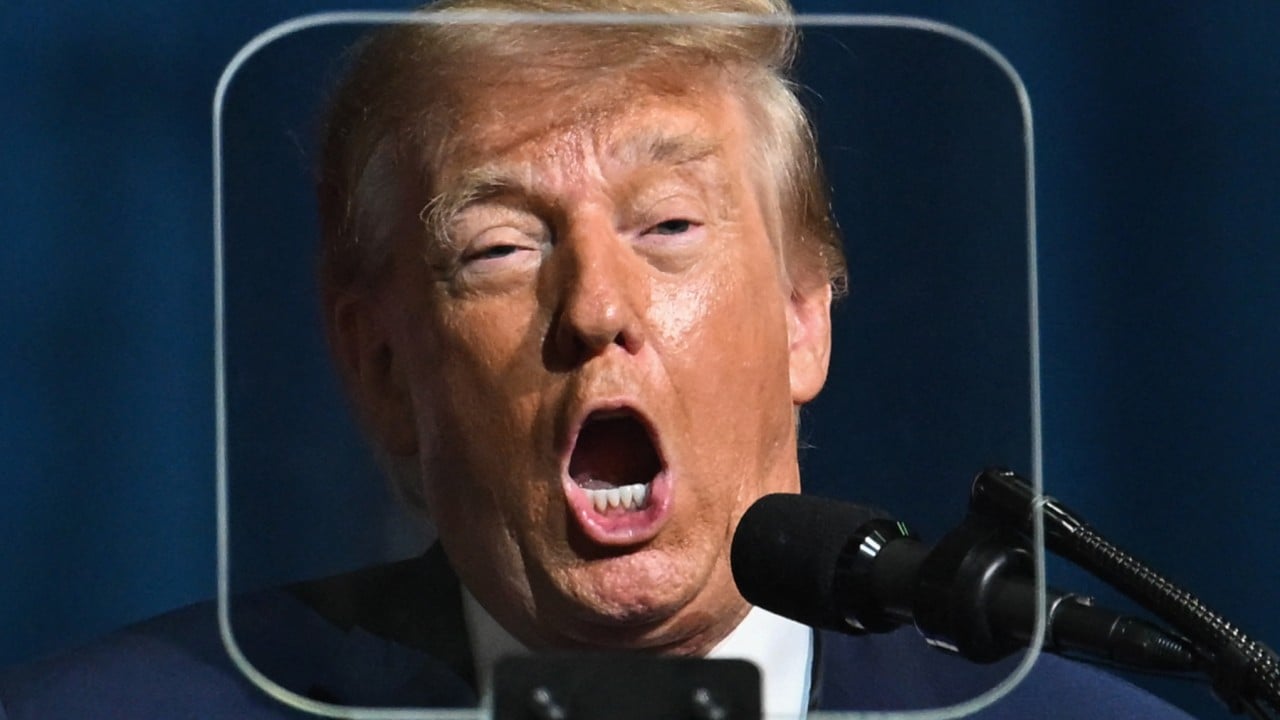
Beijing doesn't just watch the Oval Office. Chinese diplomats count votes on Capitol Hill, and right now, the math isn't doing Donald Trump any favors.
When a president loses reliable control over his own party in Congress, foreign negotiators notice immediately. Why make painful trade concessions or security promises to a White House that might not even get the deal ratified, funded, or backed up by lawmakers? That exact dynamic explains why Trump’s weakened grip on Congress complicates talks with China at almost every level.
It’s a classic negotiation trap. You sit across the table projecting total authority, yet the person across from you already read the morning roll call.
The Credibility Gap at the Negotiating Table
International diplomacy runs on credible commitments. If the United States promises tariff relief, tech export adjustments, or agricultural purchase frameworks, Beijing needs to know those terms will stick.
Historically, presidents rely on unified party discipline to push trade bills through the Senate or block hostile amendments in the House. When that discipline cracks, executive promises start looking like temporary executive orders rather than durable national policy. Chinese officials at the Ministry of Commerce and the Ministry of Foreign Affairs understand the U.S. Constitution better than most pundits give them credit for. They know a fractured Congress can starve an agreement of funding, pass overriding sanctions, or launch oversight investigations that blow up a fragile truce overnight.
Think about how you’d buy a house if the seller didn't actually have permission from their co-owners to close the deal. You wouldn't put down a massive non-refundable deposit. You'd stall. You'd demand extra protections. You'd wait to see who is actually in charge.
How Domestic Pushback Changes Beijing’s Strategy
A divided Republican conference creates three distinct headaches for White House negotiators trying to manage U.S.-China relations.
First, fiscal hawks and farm-state lawmakers don't always want the same thing. Agricultural states hate retaliatory tariffs because soybean, corn, and pork producers take the hit first. Meanwhile, national security hardliners in both parties push for tighter restrictions on semiconductors, artificial intelligence, and Chinese investment in American farmland. When Trump can't whip those factions into a single unified line, he ends up negotiating two fronts at once—one in Beijing and another in Washington.
Second, legislative gridlock weakens the stick as much as the carrot. Threats of sweeping new economic penalties carry way more weight when Congress stands ready to codify them into permanent law. If lawmakers are publicly feuding over spending bills, leadership fights, or party priorities, Beijing calculates that Washington lacks the focus for sustained, coordinated pressure.
Third, mid-term and primary politics make compromise toxic. Lawmakers worried about tough re-election battles rarely stick their necks out to defend nuanced diplomatic compromises with China. Calling someone "soft on Beijing" remains one of the easiest attack ads in American politics. Without strong top-down political cover from the White House, rank-and-file members bolt at the first sign of controversy.
What Most People Miss About Executive Power on Trade
A common misconception is that the president holds absolute, unchecked power over tariffs and foreign policy, making Congress irrelevant to China talks.
Sure, statutes like Section 301 of the Trade Act of 1974 and the International Emergency Economic Powers Act give the executive branch massive unilateral authority to slap tariffs on imports or sanction entities. Presidents love these tools because they don't require a Senate floor vote.
Yet unilateral executive action has a glaring weakness—anything done with the stroke of a pen can be undone the exact same way, or challenged in federal court, or constrained by congressional appropriations. Deep, structural deals with China involving intellectual property enforcement, supply chain rules, or bilateral investment treaties eventually require legislative buy-in. Even basic diplomatic infrastructure, like confirming ambassadors and funding enforcement agencies at the Commerce Department, runs straight through Capitol Hill.
When Congress drags its feet on nominations or attaches poison-pill riders to must-pass defense bills, the White House loses tactical flexibility. Negotiators can't offer clean off-ramps if lawmakers are actively building roadblocks.
The National Security Wildcard
Trade is only half the equation. Talks with China inevitably bleed into Taiwan, the South China Sea, fentanyl precursor chemicals, and military-to-military communication channels.
On these issues, Congress frequently acts independently of the White House. High-profile congressional delegations traveling to Taipei, bipartisan bills targeting Chinese biotech firms, or legislation forcing the divestment of Chinese-owned apps happen on Capitol Hill's timetable, not the president's.
If Trump’s grip on his caucus is loose, he can't easily ask congressional leaders to pause a sensitive bill while delicate backchannel talks are underway. One rogue floor amendment or viral committee hearing can freeze diplomatic momentum for months. Chinese negotiators then point to those congressional actions as proof that Washington isn't negotiating in good faith, using them as justification to walk back their own commitments.
Reading the Signals Going Forward
If you want to know whether upcoming U.S.-China talks actually have a shot at producing something real, stop watching the press conferences and start watching congressional vote counts.
Pay close attention to three concrete indicators over the coming months:
- Confirmation speeds for key economic and diplomatic posts. Empty seats at the Treasury Department, USTR, and the State Department mean the administration lacks the bandwidth to enforce complex agreements.
- Bipartisan China legislation moving through committee. When lawmakers pass sweeping sanctions or export controls with veto-proof majorities, it signals that Congress—not the White House—is setting the floor for the relationship.
- Farm-state and business lobby pushback. Watch whether Republican senators from export-heavy states publicly break ranks over tariff impacts, which immediately tells Beijing where the political pain points sit.
Diplomacy rarely fails because of what happens inside the conference room. Usually, it stalls because of the political math waiting right outside the door. Keep an eye on Capitol Hill's whip counts, track which trade authorities lawmakers move to restrict, and judge every diplomatic headline against whether the White House actually has the votes to back it up.